
Products at Nuvantara ↗

The catalogue lives on nuvantara.com — this site sells nothing.

Unreviewed draft. This monograph was prepared editorially with AI assistance and has not yet been signed off by a named expert reviewer. It is published for information and education only, with its sources cited throughout — it is not medical advice. How review works
Monograph · Zingiberaceae

Kaempferia galanga

Cekur · Malay   Kencur · Javanese   Kencur · Indonesian   Sand ginger · English
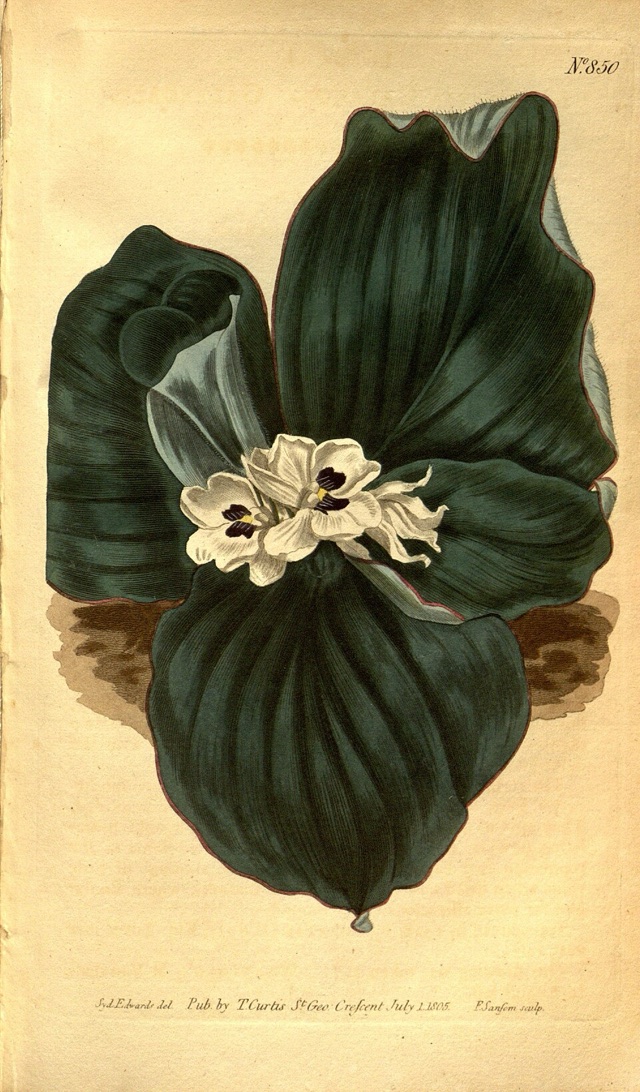
Kaempferia galanga — botanical illustration
Kaempferia galanga — from the historical botanical record; see illustration credits on the library page.
Evidence grade
Pre-clinical work or documented traditional use only
What the grades mean

Cekur's use in balms and poultices rests on a deep traditional record and a genuinely interesting laboratory literature around ethyl p-methoxycinnamate; no peer-reviewed human trial of a topical cekur preparation could be verified, so the entry stays at C.

Safety at a glance

Kanjanapothi and colleagues (2004) found no deaths at oral doses up to 5,000 mg/kg in rats, an unremarkable 28-day subacute study, and no dermal irritation from the hexane fraction in rabbits [8] — the last point directly… Full safety section

The evidence ladder
Systematic review
Clinical studies
Human observational
Preclinical ← current position
Laboratory
Phytochemical
Traditional use
Human studies None verified. An Indonesian randomised trial of oral extract is described in review literature, but its primary journal record could not be confirmed and it is therefore not cited here.

The ladder explains the grade; it never replaces it. Evidence for this botanical reaches preclinical, which is why this monograph is graded C.

Traditional use

Cekur — kencur across the Strait — is one of the small aromatic rhizomes
the Malay and Javanese traditions reach for in warmed pastes and
poultices, and one of the defining flavours of jamu beras kencur, the
rice-and-kencur drink of Javanese daily practice. The jamu literature
documents the plant's place in that system, including postpartum use [1],
and the Wang 2021 review assembles the wider ethnomedicinal record —
swellings and rheumatic complaints prominent among the recorded uses [2].

Phytochemistry

The rhizome's signature constituents are aromatic esters: ethyl
p-methoxycinnamate (EPMC) above all, with ethyl cinnamate alongside. The
Wang 2021 review counts some 97 identified compounds [2], and
bioassay-guided work by Umar and colleagues isolated EPMC as the
constituent behind most of the extract's measured laboratory activity [3].
Follow-up work showed EPMC suppressed interleukin-1 and tumour necrosis
factor-α and inhibited new vessel formation in rodent models [4], and a
separate Malaysian group isolated the ester fraction as a vasorelaxant in
laboratory preparations [5].

Evidence review

The evidence base is preclinical, and honestly so. Ridtitid and colleagues
(2008) reported dose-dependent reduction of experimental pain responses in
animal models given the methanolic extract [6]. Wahyuni and colleagues
(2022) applied the extract topically at 0.5–2% to chemically induced oral
mucosal ulcers in rats and reported faster healing against a triamcinolone
comparator [7] — the most directly topical study located, and still an
animal model.

An Indonesian randomised trial of oral cekur extract in osteoarthritis is
described in the review literature, but its primary journal record could
not be verified, so it is not cited here — an omission that is itself a
statement of method. No verified human trial of topical cekur exists. The
traditional use is documented, the laboratory rationale is real, and the
clinical question is open. Grade C.

Safety & interactions

Kanjanapothi and colleagues (2004) found no deaths at oral doses up to
5,000 mg/kg in rats, an unremarkable 28-day subacute study, and no dermal
irritation from the hexane fraction in rabbits [8] — the last point
directly relevant to balm and poultice use. Human sensitisation data with
repeated dermal use are lacking; patch-test before first use and stop if
irritation develops. As with the other aromatic rhizomes, concentrated
extracts in pregnancy deserve professional advice despite the traditional
postpartum record.

More recent work adds a direct dermal-safety result rather than an
inference: a 2024 study pairing mechanism work on inflammation with formal
irritation testing reported no irritation of the chick chorioallantoic
membrane or of albino rabbit skin [9]. Taken with the earlier rabbit
finding, that is two independent irritation results pointing the same way —
useful, though neither is a test of repeated human use.

References18
  1. Elfahmi, Woerdenbag HJ, Kayser O (2014). Jamu: Indonesian traditional herbal medicine towards rational phytopharmacological use. Journal of Herbal Medicine 4(2): 51–73. Source
  2. Wang S-Y, et al. (2021). Kaempferia galanga L.: progresses in phytochemistry, pharmacology, toxicology and ethnomedicinal uses. Frontiers in Pharmacology 12: 675350. Source
  3. Umar MI, Asmawi MZ, Sadikun A, et al. (2012). Bioactivity-guided isolation of ethyl-p-methoxycinnamate, an anti-inflammatory constituent, from Kaempferia galanga L. extracts. Molecules 17(7): 8720–8734. Source
  4. Umar MI, et al. (2014). Ethyl-p-methoxycinnamate isolated from Kaempferia galanga inhibits inflammation by suppressing interleukin-1, tumor necrosis factor-α, and angiogenesis by blocking endothelial functions. Clinics (São Paulo) 69(2): 134–144. Source
  5. Othman R, et al. (2006). Bioassay-guided isolation of a vasorelaxant active compound from Kaempferia galanga L. Phytomedicine 13(1–2): 61–66. Source
  6. Ridtitid W, Sae-Wong C, Reanmongkol W, Wongnawa M (2008). Antinociceptive activity of the methanolic extract of Kaempferia galanga Linn. in experimental animals. Journal of Ethnopharmacology 118(2): 225–230. Source
  7. Wahyuni IS, Sufiawati I, et al. (2022). Anti-inflammatory activity and wound healing effect of Kaempferia galanga L. rhizome on the chemical-induced oral mucosal ulcer in Wistar rats. Journal of Inflammation Research 15: 2281–2294. Source
  8. Kanjanapothi D, et al. (2004). Toxicity of crude rhizome extract of Kaempferia galanga L. (Proh Hom). Journal of Ethnopharmacology 90(2–3): 359–365. Source
  9. Mohd Shafri MA, Nazarudin AN (2022). Tajul Muluk: a traditional Malay text of ethnobotany and ethnomedicine. Borneo Journal of Resource Science and Technology 12(2): 74–81. Source
  10. Othman R, Khiruddin SA (2018). Landscape ethnobotanical study of Malay midwifery plant species: case study of Kelantan. Journal of Architecture, Planning & Construction Management 8(1): 47–54. Source
  11. Estiasih T, Maligan JM, Witoyo JE, et al. (2025). Indonesian traditional herbal drinks: diversity, processing, and health benefits. Journal of Ethnic Foods 12(1): 7. Source
  12. Nurhaslina CR, Mustapa AN, Mohd Azizi CY (2023). Kaempferia galanga Linn: a systematic review of phytochemistry, extraction technique, and pharmacological activities. ASM Science Journal 18: 1–12. Source
  13. Kumar A (2020). Phytochemistry, pharmacological activities and uses of traditional medicinal plant Kaempferia galanga L. — an overview. Journal of Ethnopharmacology 253: 112667. Source
  14. Wong KC, Ong KS, Lim CL (1992). Composition of the essential oil of rhizomes of Kaempferia galanga L. Flavour and Fragrance Journal 7(5): 263–266. Source
  15. Muchtaridi M, Abdullah DA, Suhandi C, Sumiwi SA, Khairul Ikram NK (2022). Anti-inflammatory activity of Alpinia malaccensis (Burm. f.) Roscoe and Kaempferia galanga L. rhizome essential oil gel formulations by carrageenan induction method. Sains Malaysiana 51(5): 1411–1424. Source
  16. Wahyuni IS, Diina TR, Salsabila AS, et al. (2024). Kaempferia galanga L. alleviates the expression of COX-2 and NF-kappaB-p65 in the oral mucosa ulcer of Wistar rats and exhibits no irritation toward the vascular membrane of chicken eggs and the skin of albino rabbits. Heliyon 10(16): e35827. Source
  17. Sudsai T, Tungcharoen P, Tewtrakul S (2022). Wound healing properties of pharmaceutical gel containing isopimarane diterpene isolated from Kaempferia galanga L. Journal of Ethnopharmacology 289: 115052. Source
  18. Tungcharoen P, Wattanapiromsakul C, Tansakul P, Nakamura S, Matsuda H, Tewtrakul S (2020). Anti-inflammatory effect of isopimarane diterpenoids from Kaempferia galanga. Phytotherapy Research 34(3): 612–623. Source
Open questions3
  • No peer-reviewed human trial of topical cekur could be verified; the oral osteoarthritis trial described in review literature lacks a confirmable primary record.
  • Percutaneous absorption of ethyl p-methoxycinnamate from balm and poultice matrices is unstudied.
  • Sensitisation potential with repeated dermal use, beyond single-application animal irritation data, is unknown.