The grade on a Botanika page is one of three letters. A means multiple randomised trials or a meta-analysis, with independent replication and a consistent direction of effect. B means limited clinical evidence: human trials exist but are few, small, or awaiting replication. C means pre-clinical work or documented traditional use only. Those sentences are the standard. They stay the same for every plant, including one we happen to value [1].
Letters appear on some pages and other pages stand as records of heritage. A dictionary entry records names, range, heritage, kitchen, ritual and trade, each line cited. Its scope is the plant's place in culture and trade, so the entry sits outside the grading. A Health monograph is the assessment: the evidence weighed, the ladder position, the phytochemistry, the safety section. The Health category alone carries a letter [1].
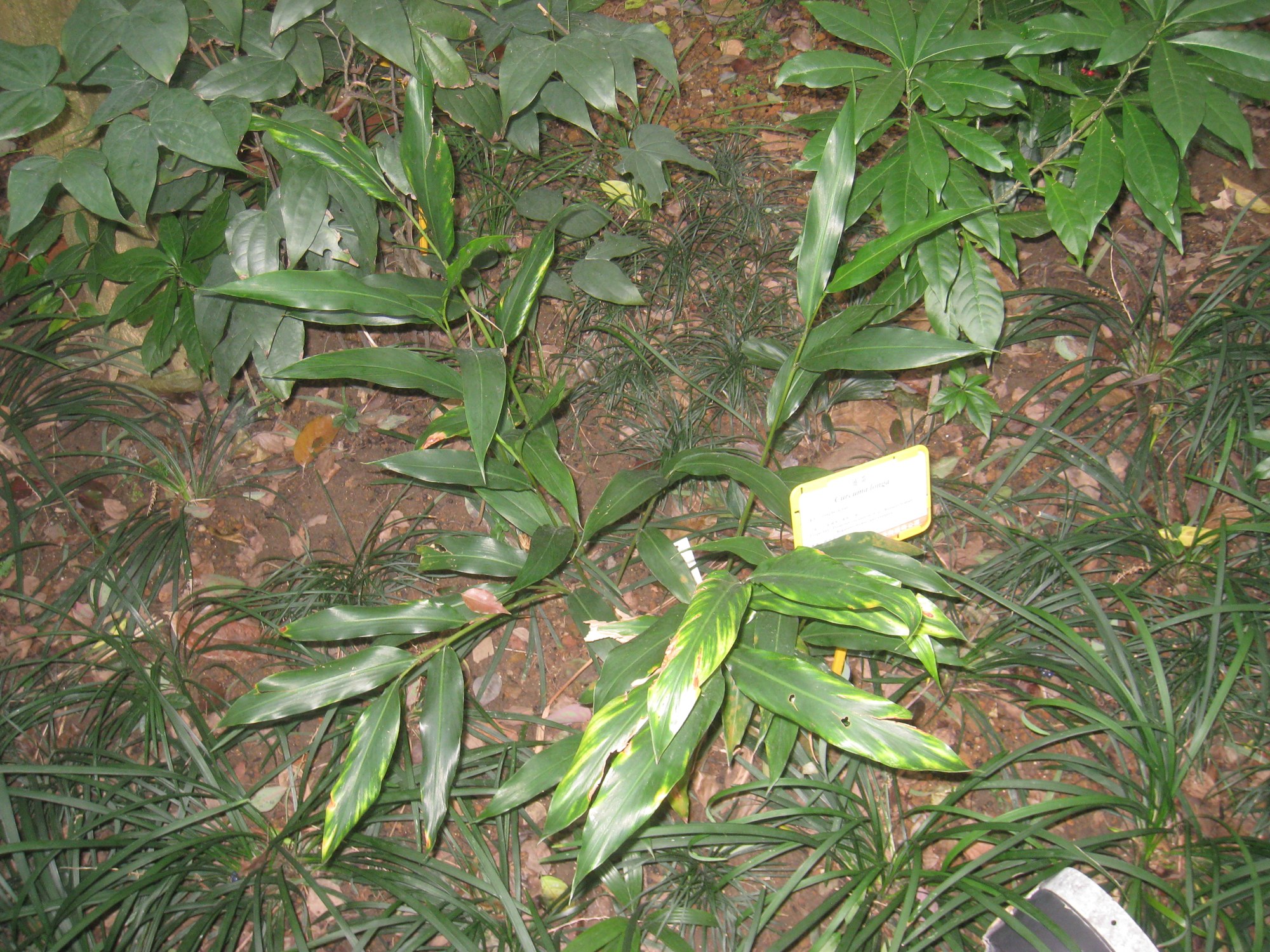
This article walks the difference through one live monograph, kunyit, Curcuma longa. Kunyit is graded B. Its highest ladder rung is VII, systematic review. Those two facts look as if they disagree. They agree. The standard says why, and the monograph says it again next to the ladder.
Three letters, equal on the page
The marks A, B and C are drawn at one size and one weight. A and C are both positions on the evidence. C is where most botanical literature honestly stands, and a C entry with real sources is the record this library is for [1].
The letters sit on a seven-rung ladder, counted from the bottom:
- I Traditional use, indicative C
- II Phytochemical, indicative C
- III Laboratory, indicative C
- IV Preclinical, indicative C
- V Human observational, indicative B to C
- VI Clinical studies, indicative A to B
- VII Systematic review, indicative A
The grades beside each rung are indicative, and the final letter is set case by case [1]. A rung records that evidence of that kind exists. The grade records what that evidence showed, and for which use. A plant can reach the systematic-review rung and still hold a B, or even a C, because the review was small, because the trials disagree, or because the review examined a different preparation than the one the entry is about.
Kunyit is the working example.
What kunyit is, before the grade
Kunyit is first a kitchen plant. The rhizome colours and seasons the Malay table. The same fresh-pounded paste appears in postpartum body-care, the param applied during confinement. Jamal, Abd. Ghafar and Husain's 2011 survey of Malay traditional practitioners in Peninsular Malaysia records Curcuma longa among the species used in postnatal care, including topical preparations [2]. A later clinic study in Perak found traditional and complementary medicine in common use in the postpartum period [3]. Those citations belong to the heritage record and sit apart from the clinical grade.
The monograph keeps that record in view and then asks a narrower question: what human evidence exists, for which preparation, for which complaint. The kitchen paste and the oral extract used in osteoarthritis trials are two different preparations. The grade describes the trials; the kitchen has its own record.
Why the rung is VII and the grade is B
The kunyit monograph states the human-studies line in one sentence: for oral extract, multiple randomised trials in knee osteoarthritis and several meta-analyses, including a 2025 network meta-analysis; for the topical param preparations the monograph describes, a count of zero. It is graded B on the basis of those systematic reviews of oral curcumin in osteoarthritis [4].
That is the whole argument. Rung VII is correct because systematic reviews exist. Grade B is correct because the clinical evidence, though real, is still limited in the sense the standard uses: it falls short of the independent, consistent, multi-trial picture that A requires, and it covers oral extract while the topical use in the heritage section sits outside it. The "Human studies… Graded B on the basis of…" line sits next to the ladder on every Health entry for this reason. A reader who sees VII and A in the same glance, and then B on the card, should read that line before assuming a mistake.
The monograph's own evidence review is the place for trial details, sample sizes and the open questions. What belongs here is the structure.
The review on the kunyit page is candid about quality. A 2016 meta-analysis of oral curcumin in arthritis concluded that the number and quality of trials fell short of what definitive conclusions need [4]. Later meta-analyses and a 2025 network analysis refined the picture and kept that caveat, and a 2025 umbrella appraisal of the reviews states that their methodological quality varies [4]. Those papers all concern oral curcumin. The oral evidence shows that the plant's chemistry has been studied in people at gram-per-day doses of standardised extract. Its scope is oral extract; a kitchen paste on the skin sits outside it [4].
That last distinction is why a reader can see rung VII and grade B on the same page and find them consistent. The reviews exist (VII). They stop short of the independent, consistent set that A requires, and they address oral extract rather than the use the heritage section describes (B).
Phytochemistry on the monograph names the curcuminoids (curcumin, demethoxycurcumin, bisdemethoxycurcumin) and a volatile fraction that includes ar-turmerone [4]. It also states a practical limit: curcumin's low oral bioavailability is why the trials used standardised extracts at gram doses, so those results are specific to that form and dose, and culinary amounts or a paste on the skin sit outside them [4]. That sentence is a statement of scope.
What a dictionary entry covers
Gaharu, cengkih, pandan and the other dictionary entries sit in categories (scent, spice, ritual, culinary, conservation), with a safety section and a numbered source list. A letter belongs to Health monographs, and dictionary pages show categories instead. That is the design. The tradition is recorded as soon as it is sourced. Evidence is graded in a Health monograph only [1].
The twelve Health drafts still waiting (halia, temulawak, tongkat ali and the rest) will receive a grade when they are signed off, and they will appear on the site after that. The ten live monographs on the site, kunyit among them, stay public. Each shows its letter as the assessment, and the letter is the only label.
How a monograph is made
The standard lists four steps, and they are the whole of the work [1]:
- Drafted from primary sources.
- Every reference checked to exist before it is entered.
- Graded against this standard; safety section mandatory.
- Updated when new evidence appears.
The standard ends at step four. The byline is a name, Mohd Ghazali bin Wahid, and the role on the author page is author and editor of record.
What this page is
This page follows the standard. If the wording of A, B or C ever changes, it changes on /evidence/standard first, and this article follows. It explains structure; trial detail belongs on the kunyit monograph, each claim tied to a numbered source. It is general information about a grading method. The fixed line on every Health entry reads: "This entry records documented traditional use. This is not medical advice; speak to a qualified practitioner."
The point of the three letters is that they can be checked. A is a claim about the literature. B is a claim about the literature. C is a claim about the literature. Kunyit is B because of the scope of the reviews of oral curcumin. The rung is VII because those reviews exist. Holding both facts in view is the method.
A reader who wants the trial table should open the kunyit monograph. A reader who wants the wording of the letters should open the standard. This page is the join between those two documents, and it stops there.
A note on the rest of the library
Most of the graded Health monographs on this site carry a C. That sentence is on /story because it is a count of the live set. C is the honest starting point of most botanical literature [1]. The ten live monographs stay public while the editor's sign-off pass is pending, and this article leaves that pass to the editor.
Dictionary entries (gaharu, the spices, the ulam plants, the scent trees) carry a letter only if they are rewritten as Health monographs, with a grade, a ladder, an evidence review and a sign-off. Until then they hold names, range, uses and sources. That suits a dictionary, and it is the full scope of the method for them.