
The dictionary · A to Z

Plants of the Malay Archipelago

Search by Malay, English, regional or scientific name, including old synonyms. Every entry names its writer and its sources. 51 entries so far.

Browse by category

Choose one category to open its page, or combine several here.

Highlights

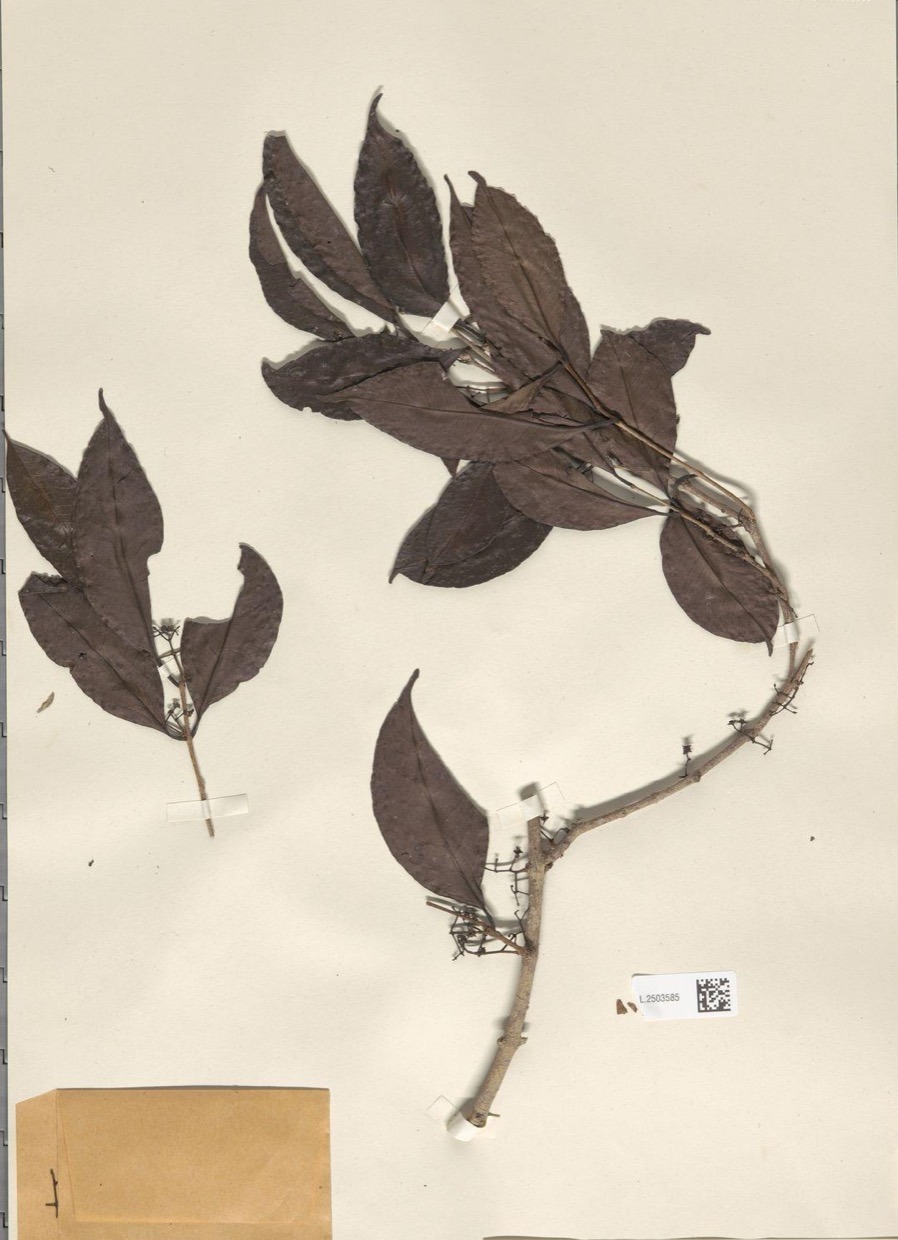
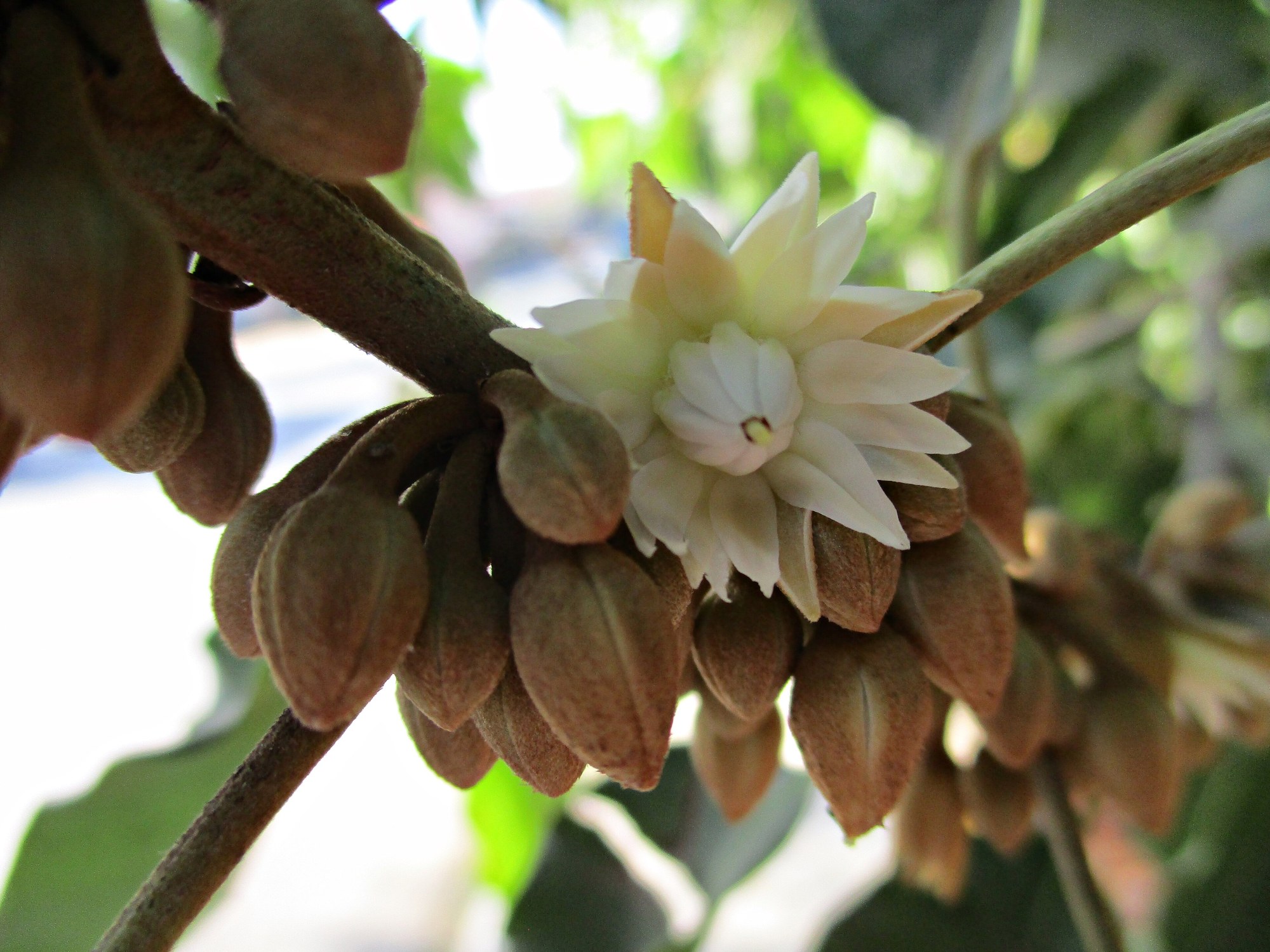
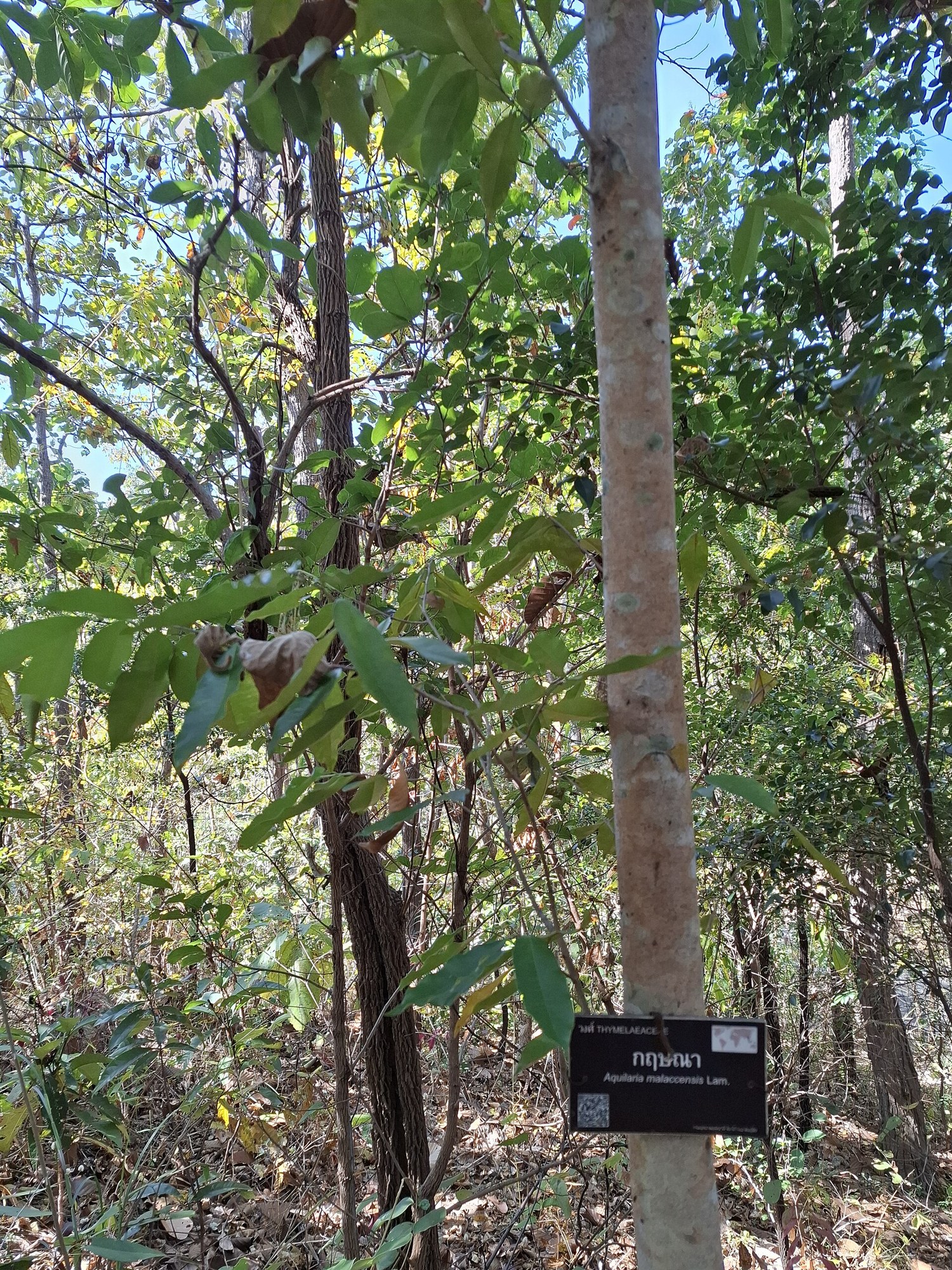
Plant of the week Gaharu Aquilaria malaccensis Agarwood, Eaglewood, Aloeswood

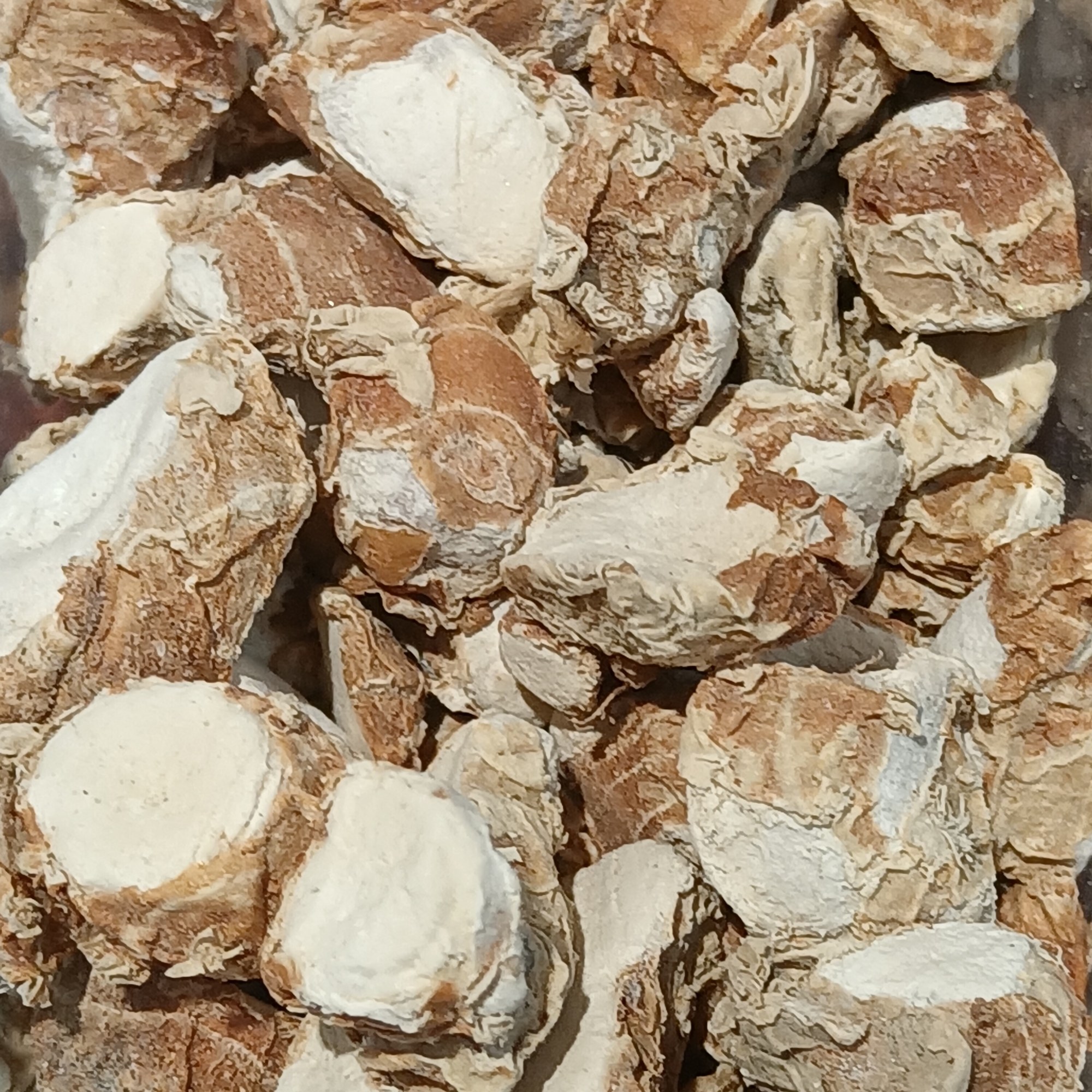
Gaharu is the dark, fragrant resin that forms in the wood of Aquilaria trees after injury and fungal infection. Traded for centuries as incense and perfume material, it comes from a tree now assessed as Critically Endangered in the wild and listed on CITES Appendix II.

Read the entry

Editor's picks

Recently added

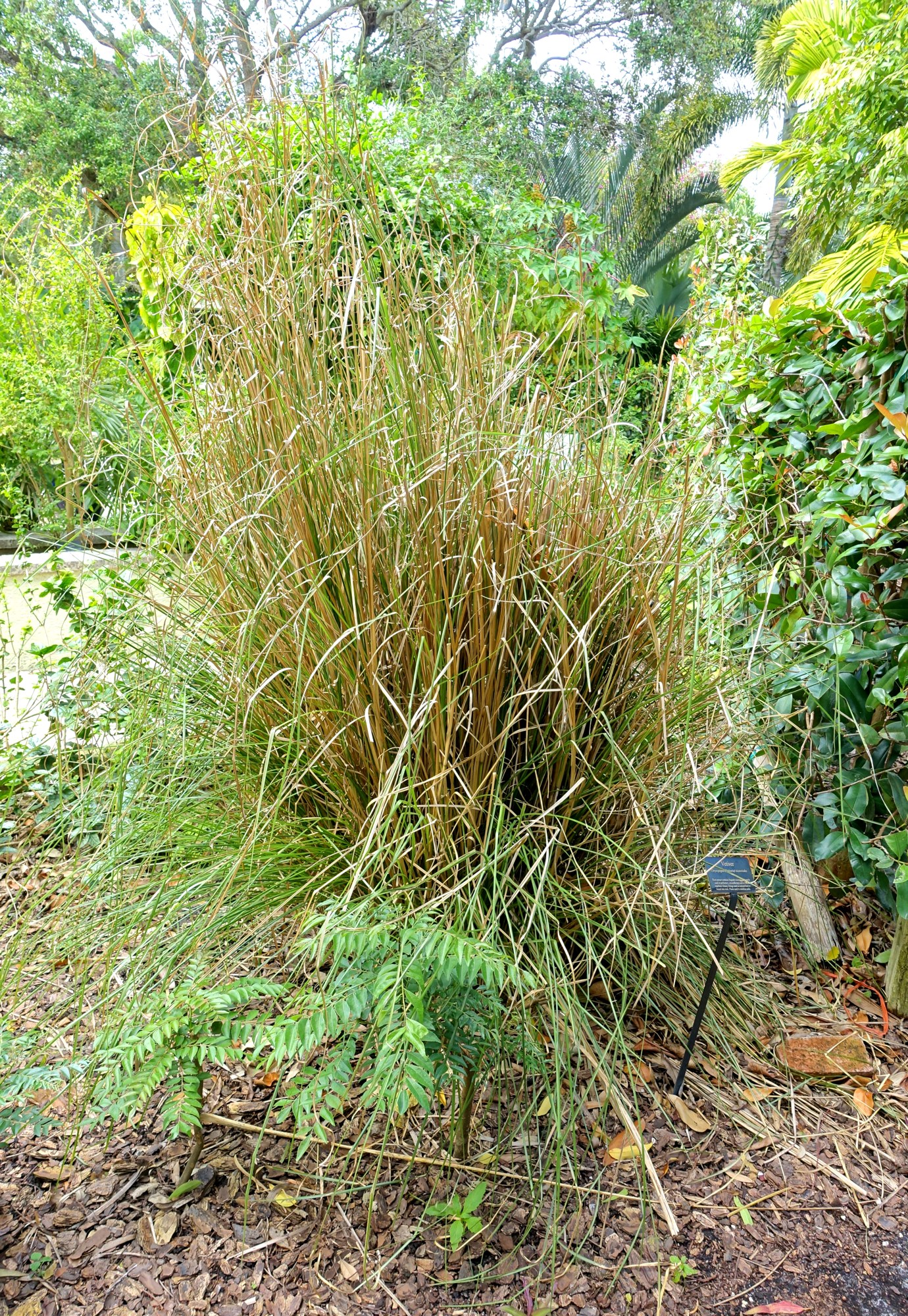
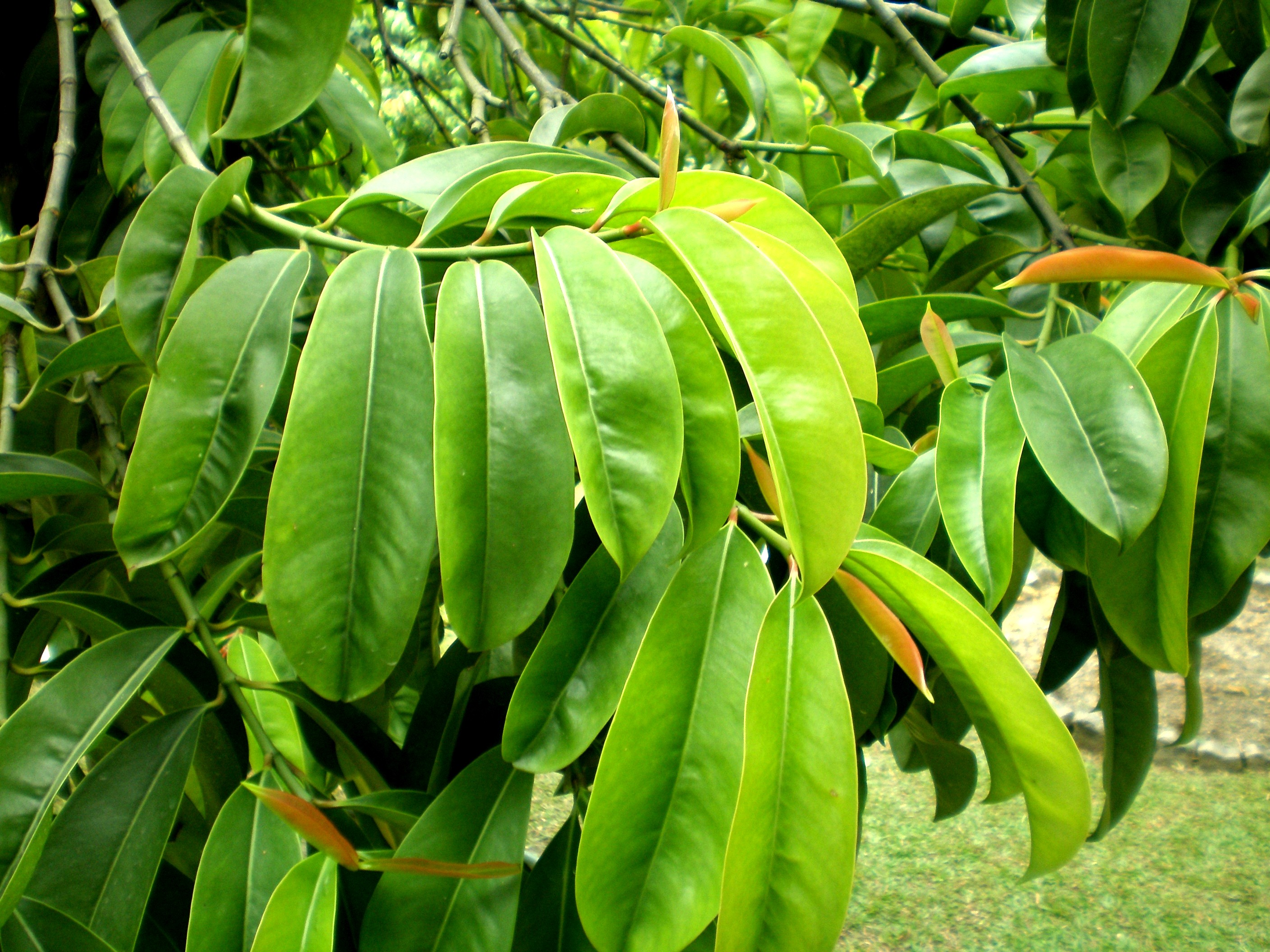
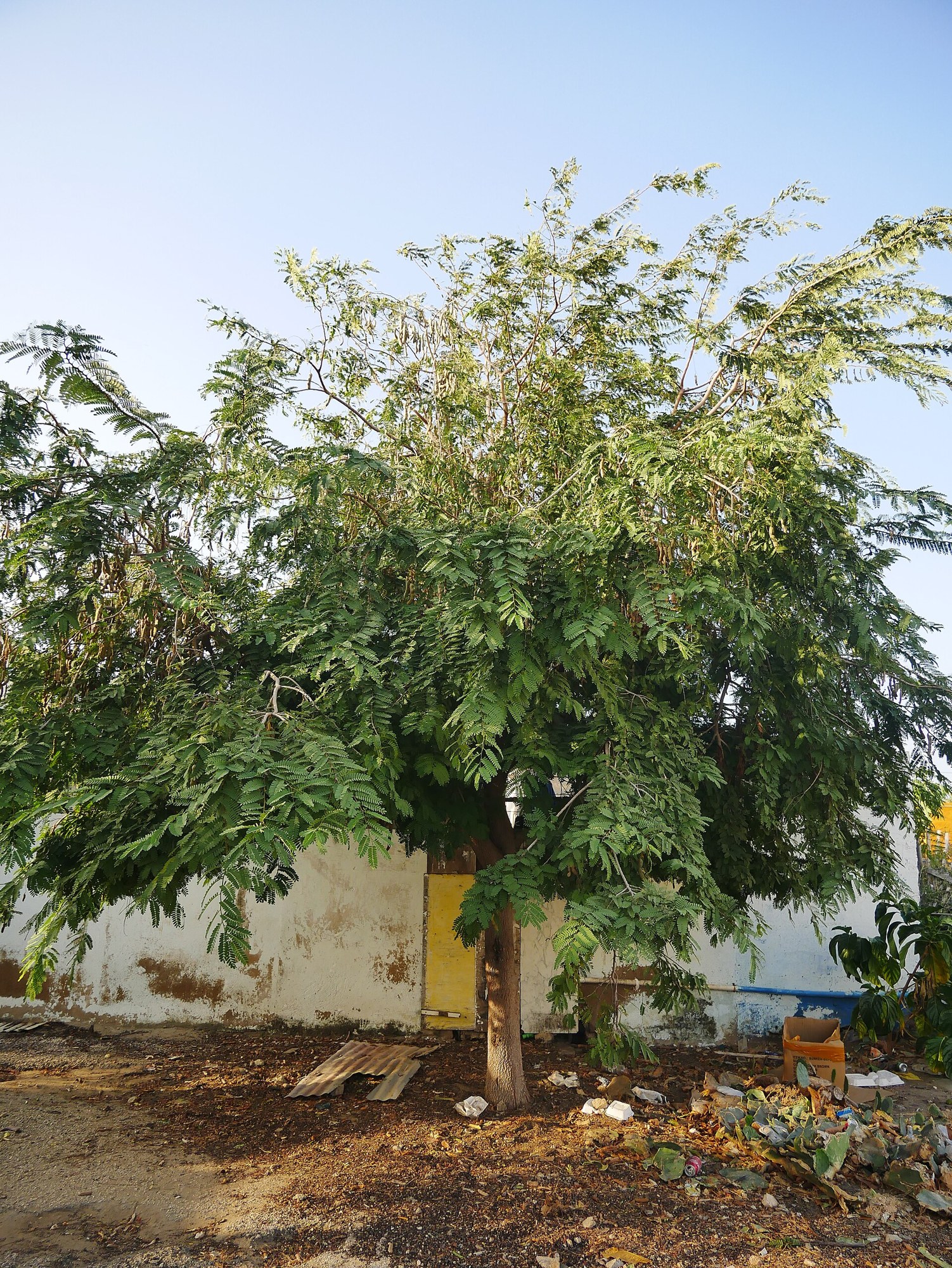
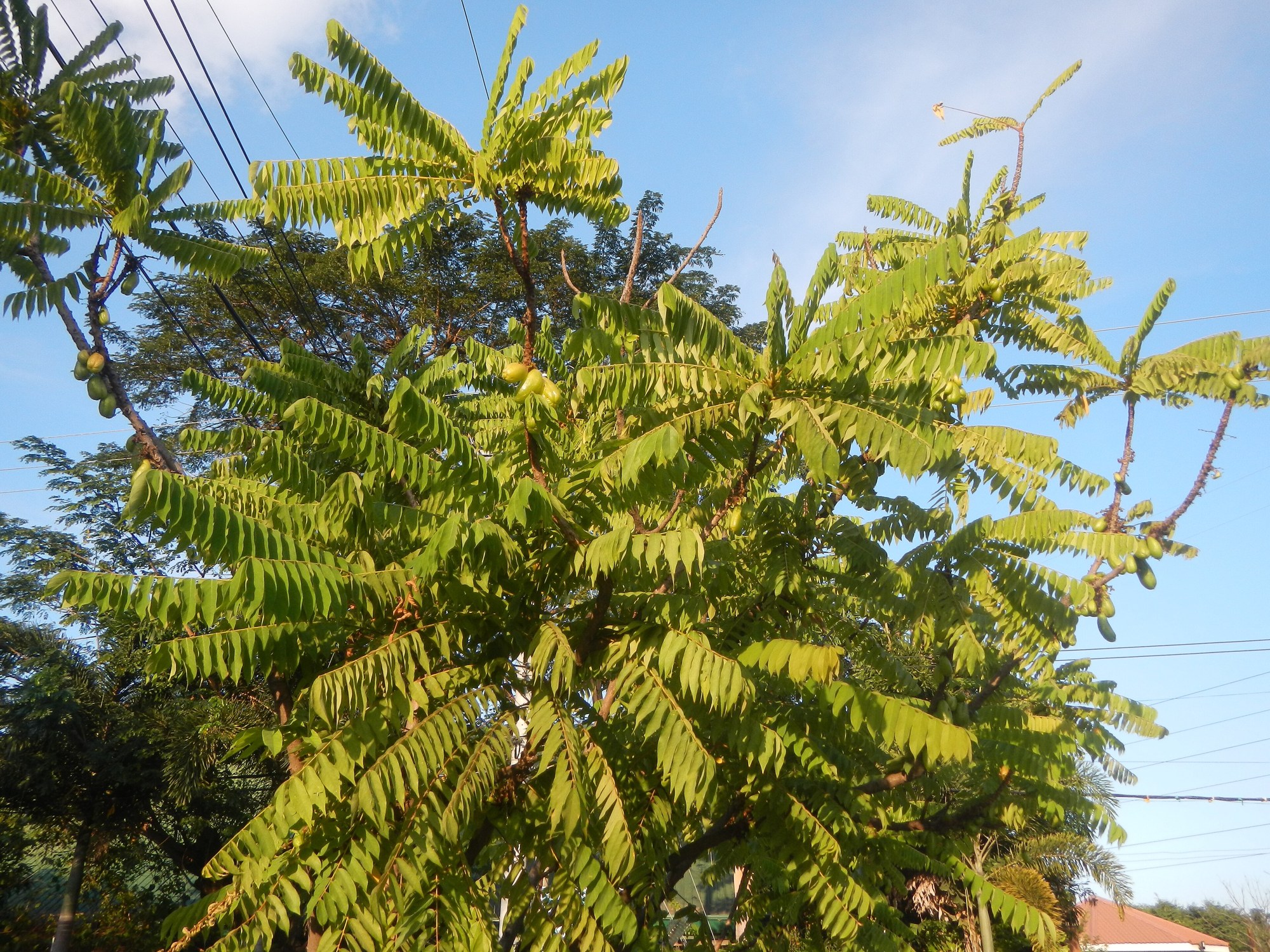
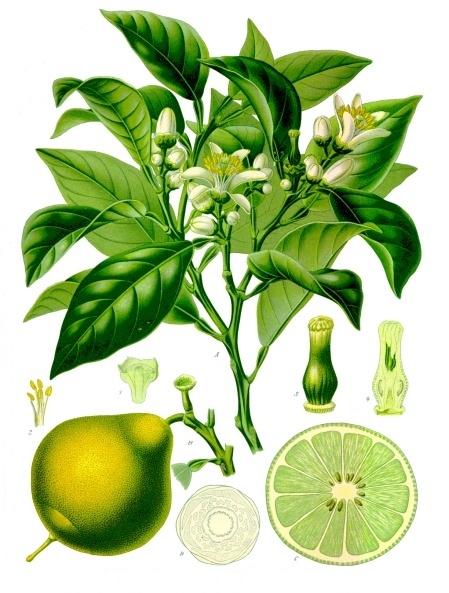
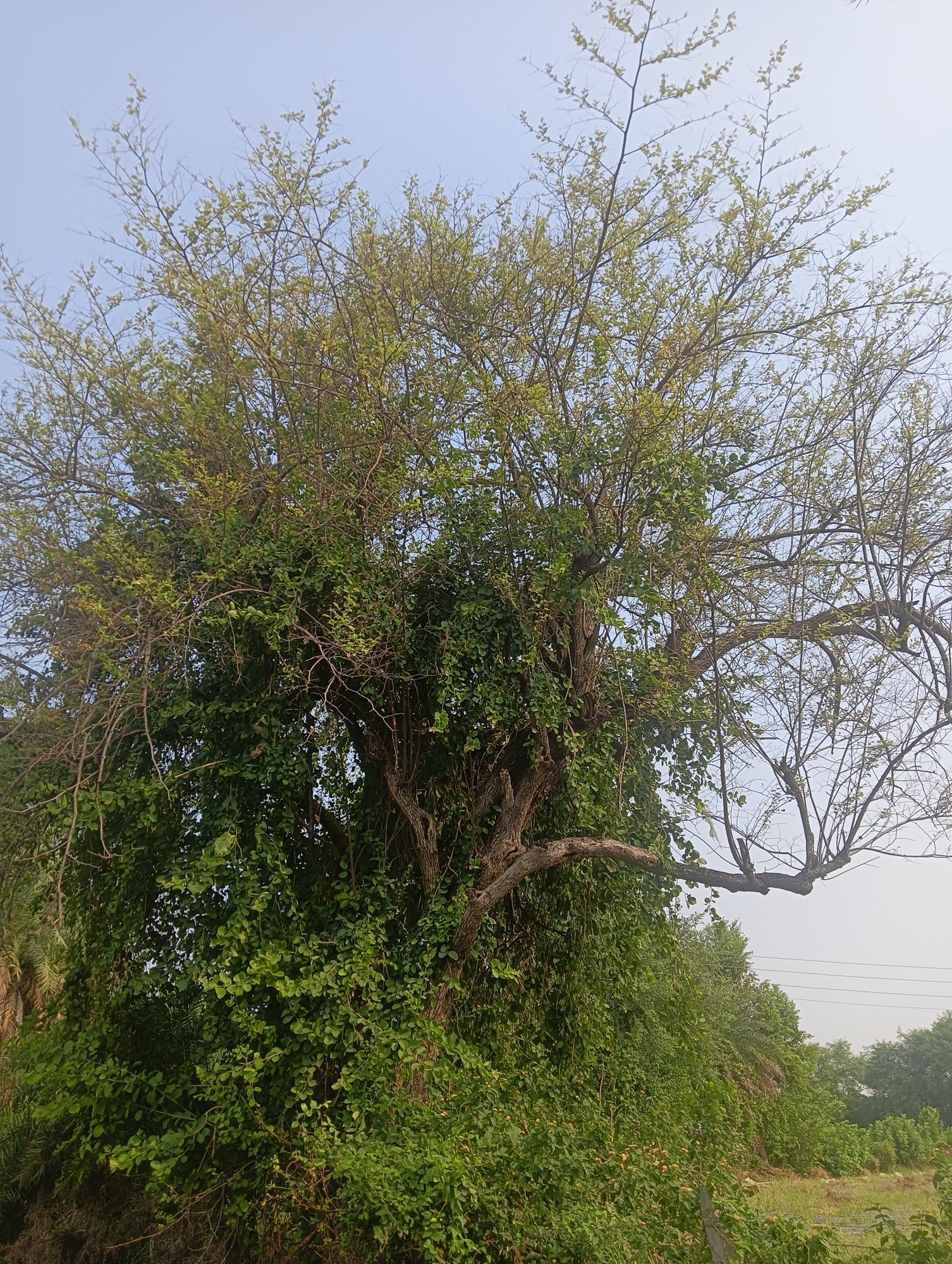
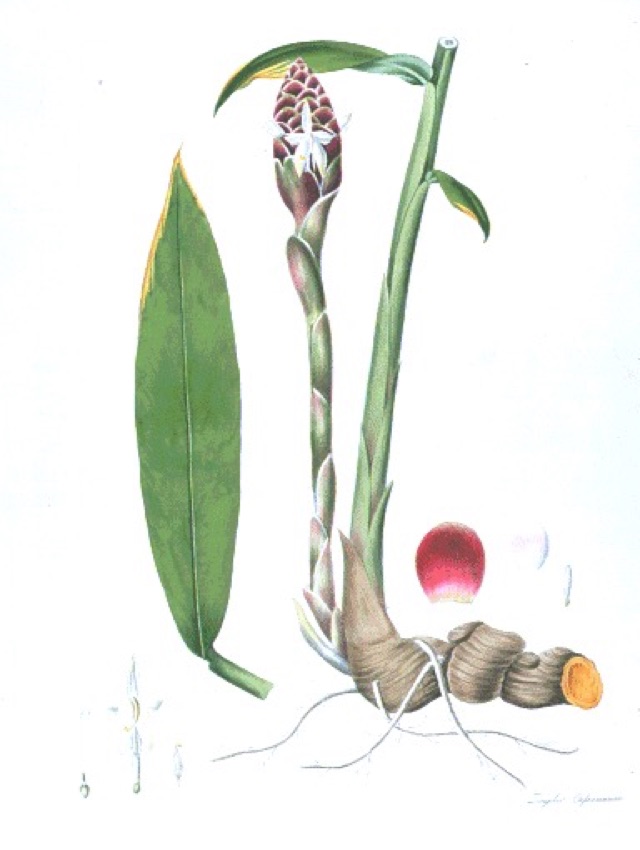
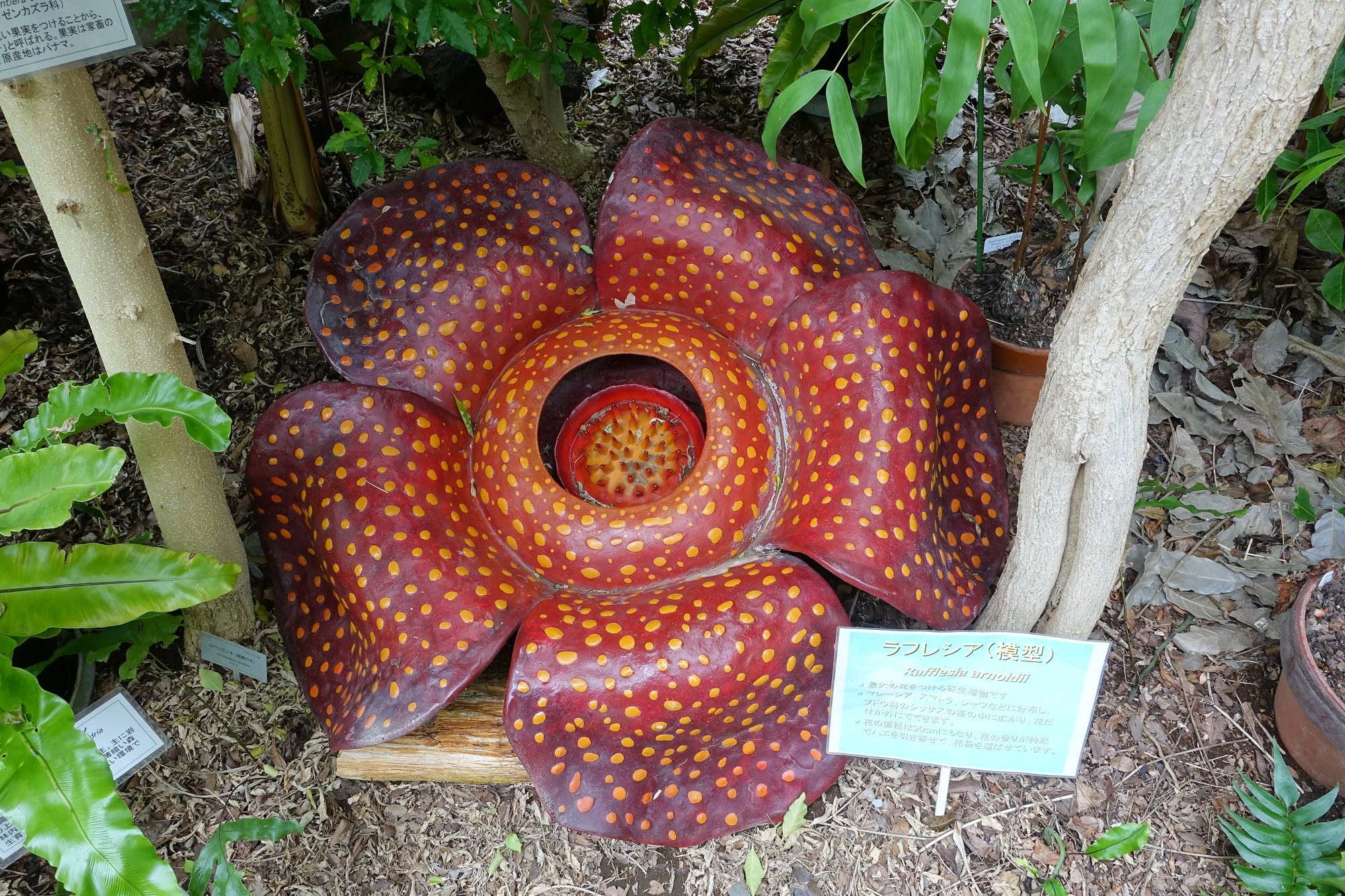
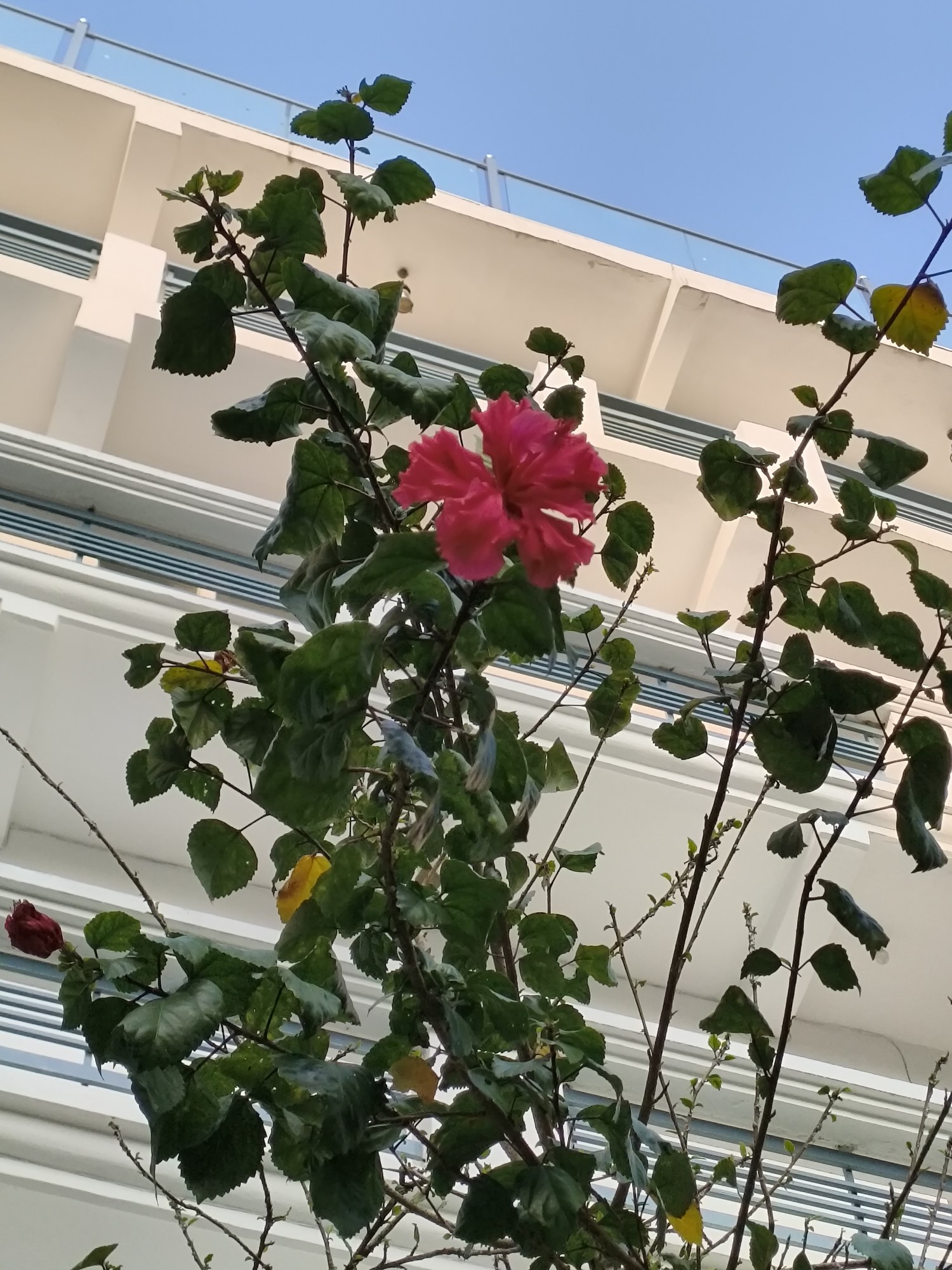
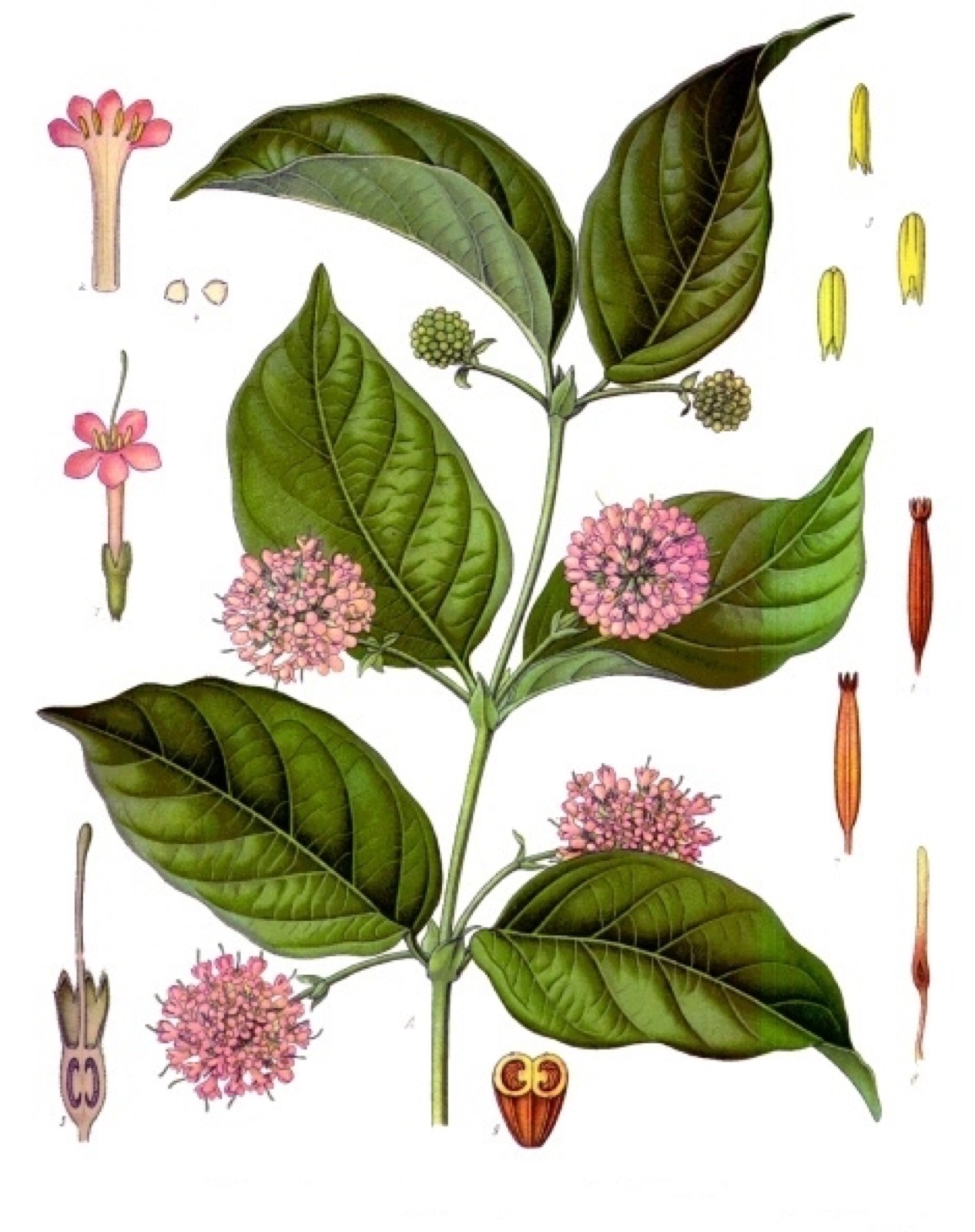
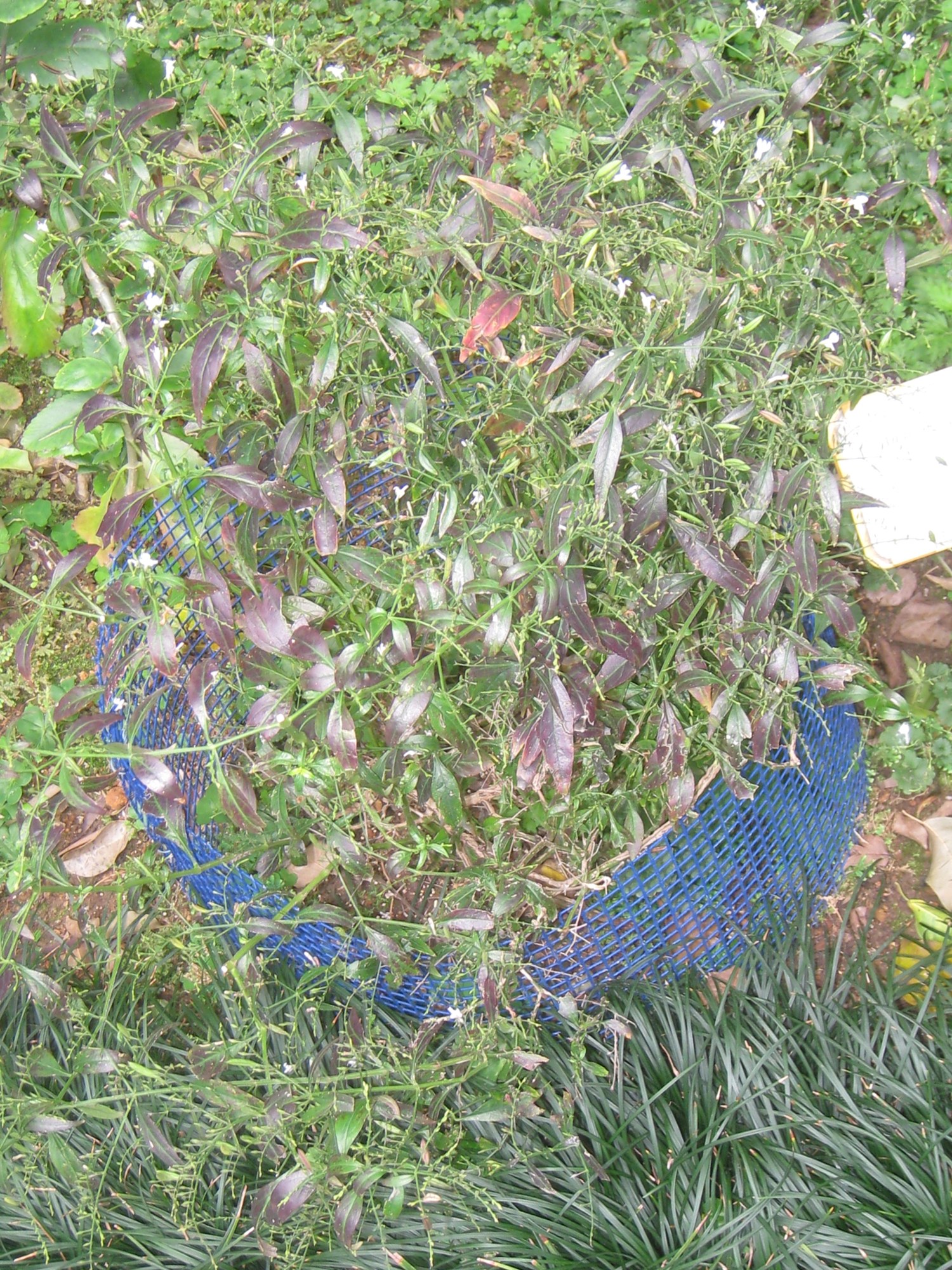
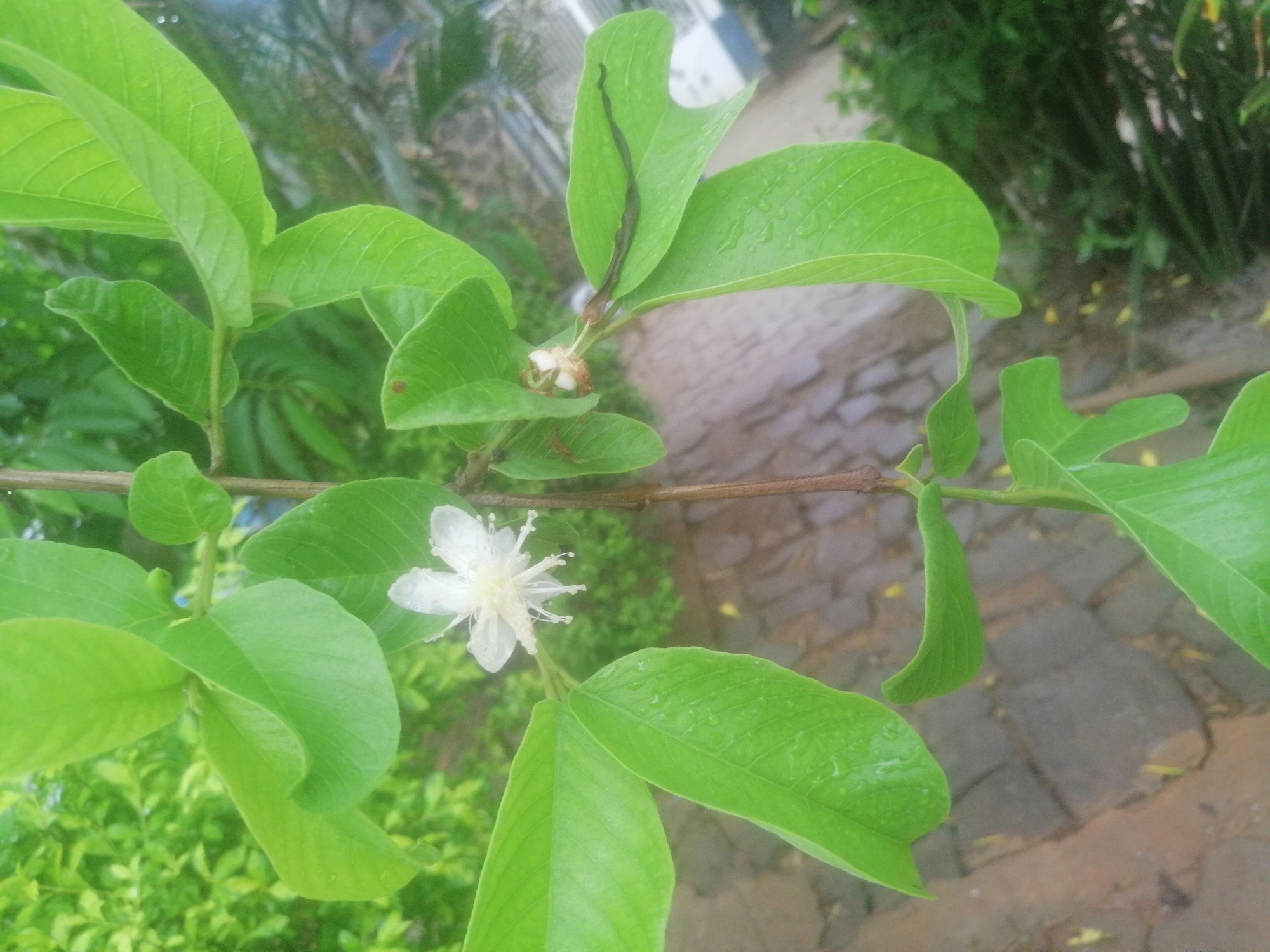
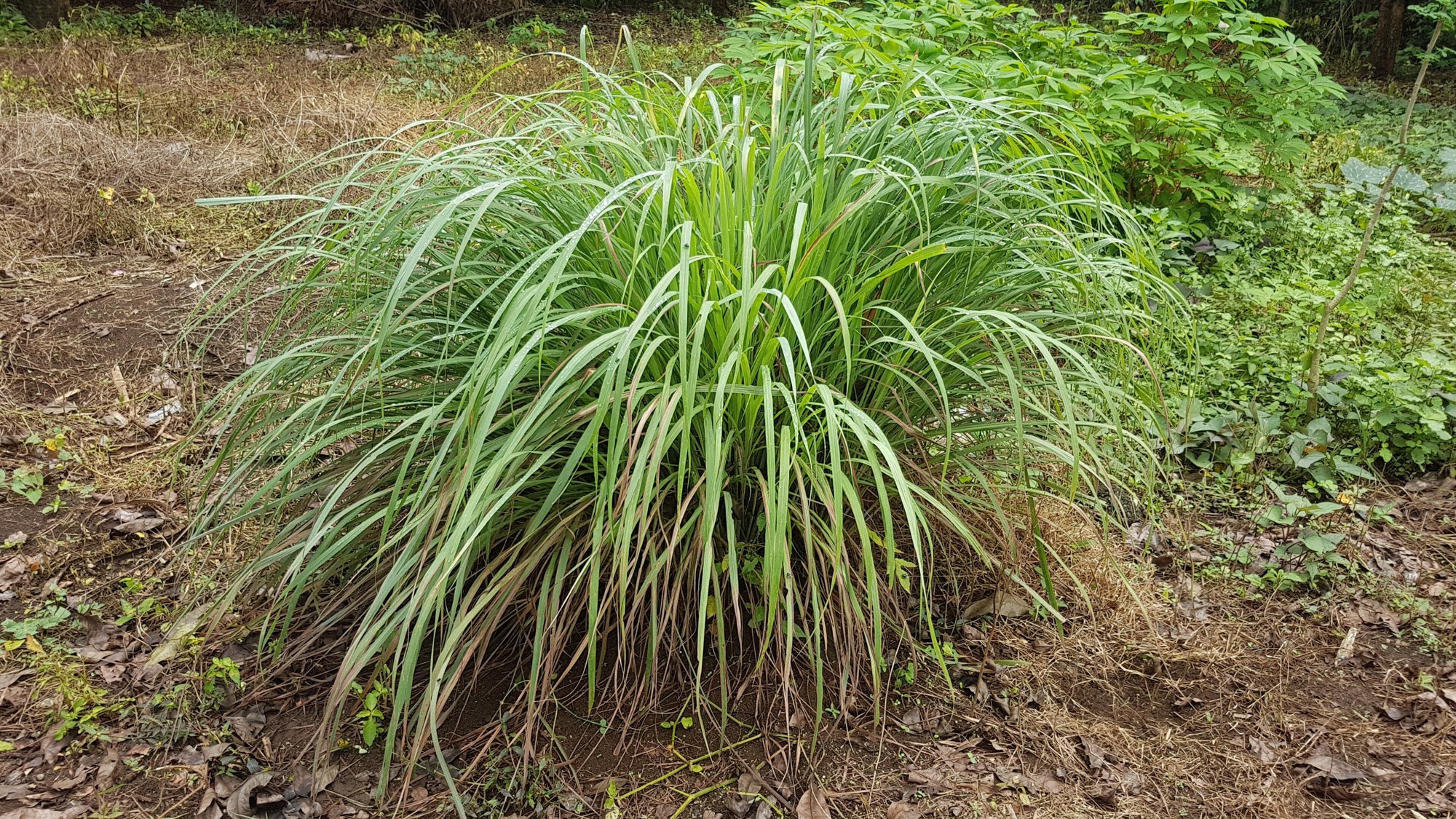
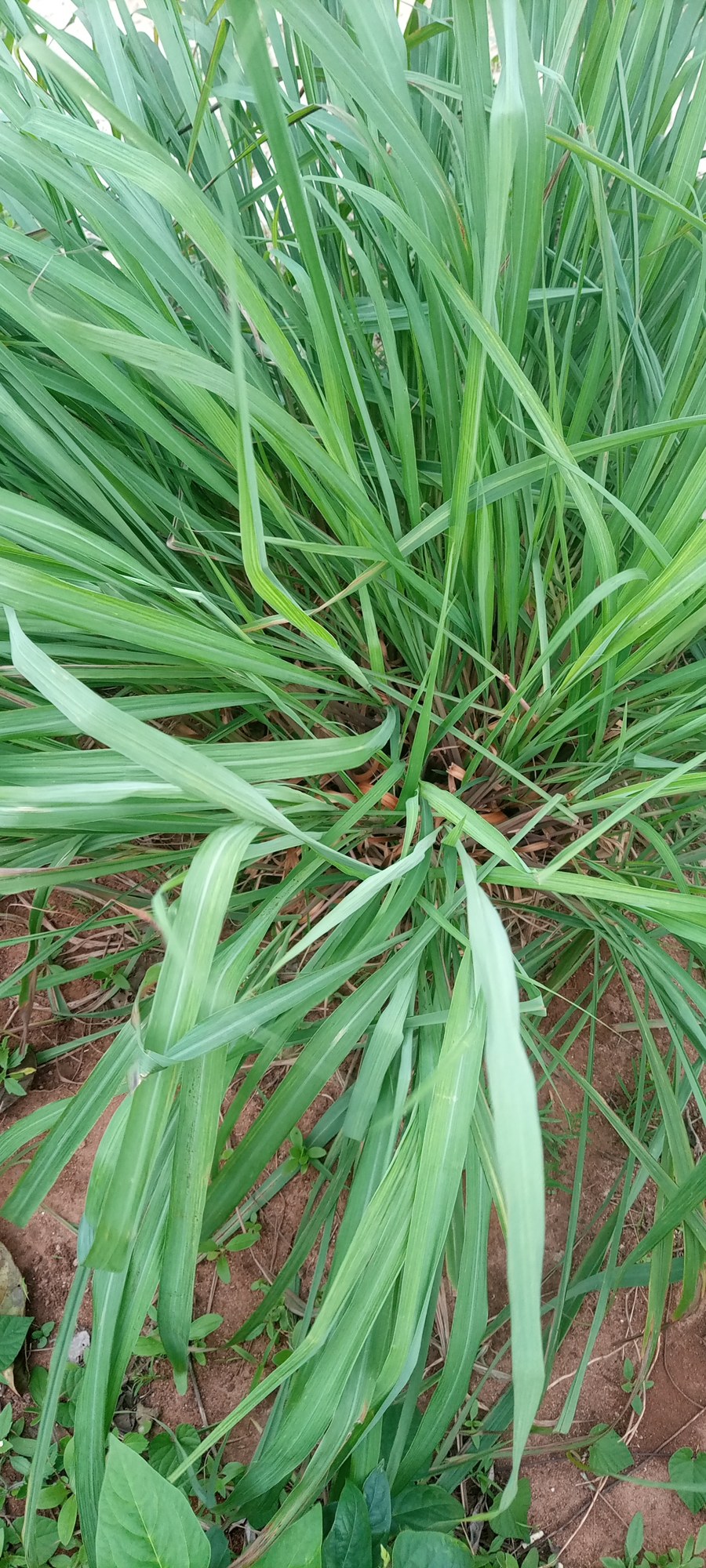
Akar wangi Chrysopogon zizanioides English: Vetiver Akar wangi, the fragrant root, is vetiver, a clumping grass whose dense roots are distilled into a smoky, earthy perfume oil. It is recorded as introduced across the Malay archipelago. Scent & AromaticsBeauty & Skin Asam gelugur Garcinia atroviridis English: Asam gelugur, Garcinia Asam gelugur is a native Garcinia whose dried fruit is used to sour dishes. The tree grows in Peninsular Malaysia, Sumatra and Borneo. Culinary Asam jawa Tamarindus indica English: Tamarind Asam jawa is tamarind, the brown pod whose sour pulp is used across the region. It is not native here; POWO places its origin in Madagascar and the Comoros. Culinary Belimbing buluh Averrhoa bilimbi English: Bilimbi, Cucumber tree Belimbing buluh is the bilimbi, a small tree with very sour green fruits. It is native to Sulawesi and Maluku and grown elsewhere in the region. Culinary Bergamot Citrus bergamia English: Bergamot, Bergamot orange Bergamot is a fragrant citrus grown mainly for the essential oil taken from its fruit, a bright note in perfumery and an ingredient in food and confectionery. It is a cultivated citrus hybrid. Scent & Aromatics Bidara Ziziphus mauritiana English: Indian jujube, Ber Bidara is the Indian jujube, a thorny tree whose small fruits are eaten and whose leaves are eaten as a vegetable in Indonesia. It is native to Peninsular Malaysia. Rituals & CeremonyCulinary Bunga pakma Rafflesia spp. English: Rafflesia, Corpse flower Bunga pakma is Rafflesia, the parasitic plant that produces the world's largest flowers. A 2023 global review estimated that about 60 per cent of its species face a severe risk of extinction [3]. Conservation Bunga raya Hibiscus rosa-sinensis English: Chinese hibiscus, Shoeblack plant Bunga raya, the red hibiscus, is Malaysia's national flower and a fixture of gardens and hedges. Botanists regard it as a cultigen of hybrid origin, and it has a long record in traditional practice. Beauty & SkinRituals & Ceremony

By habitat

Image credits

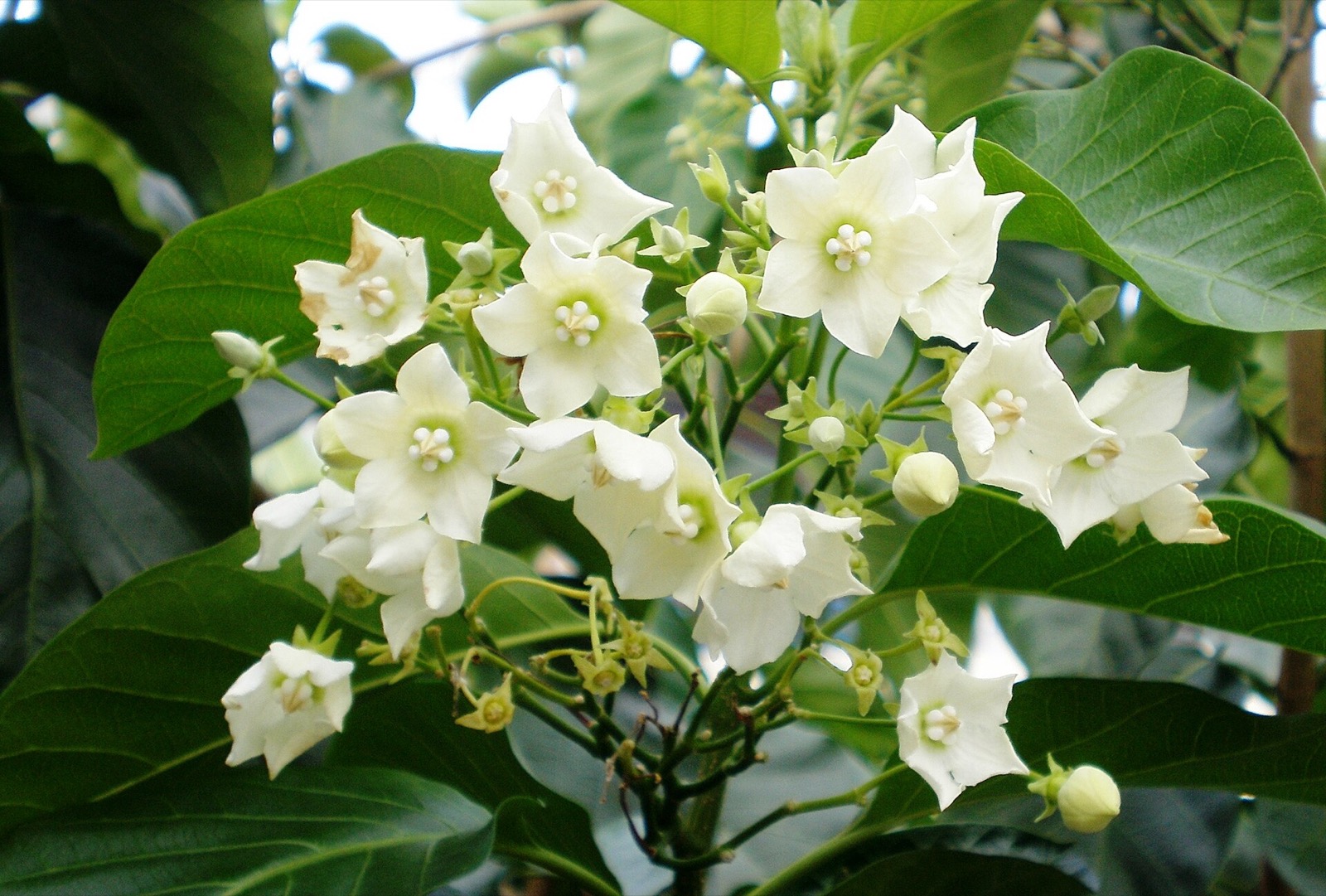
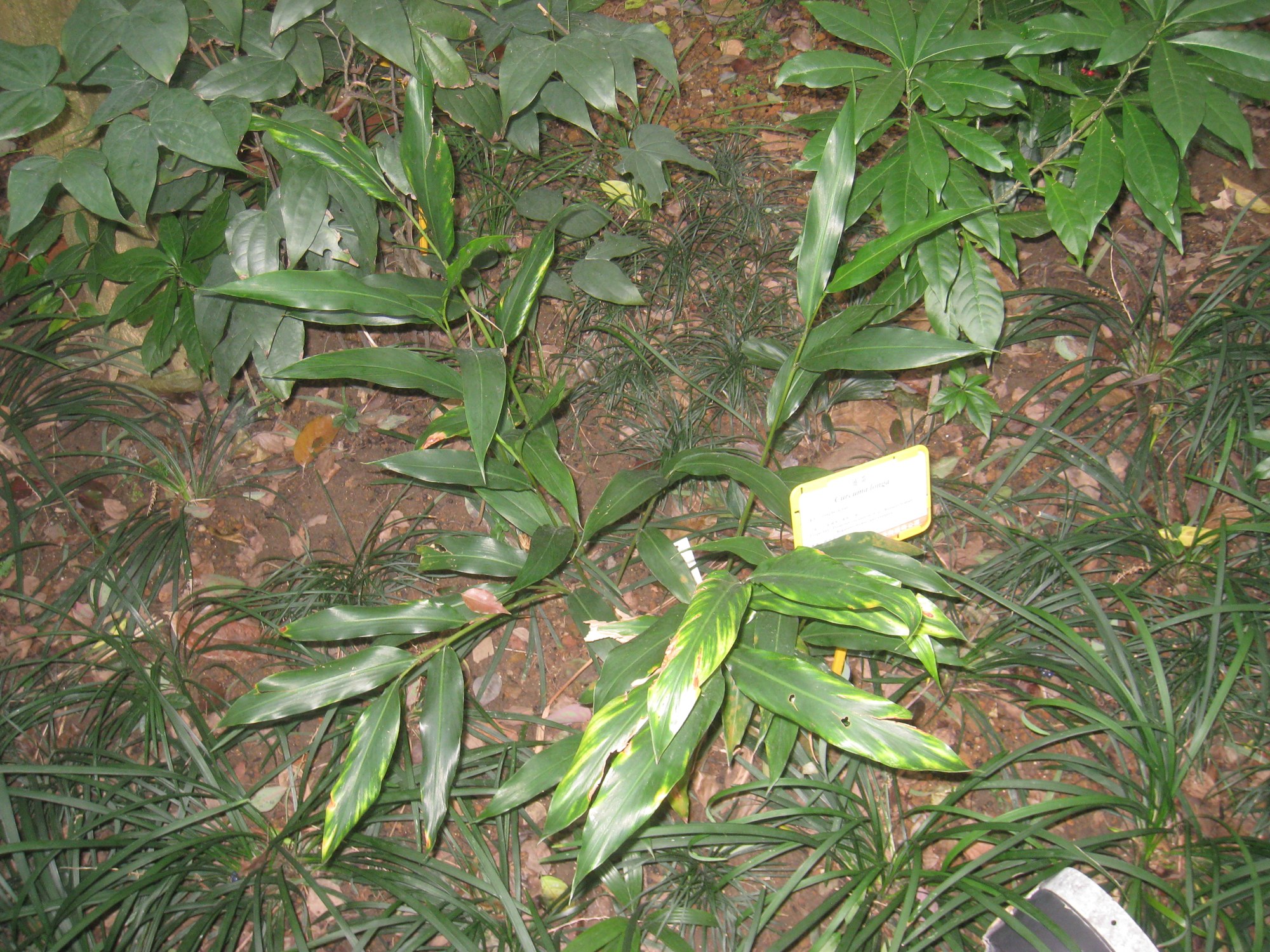
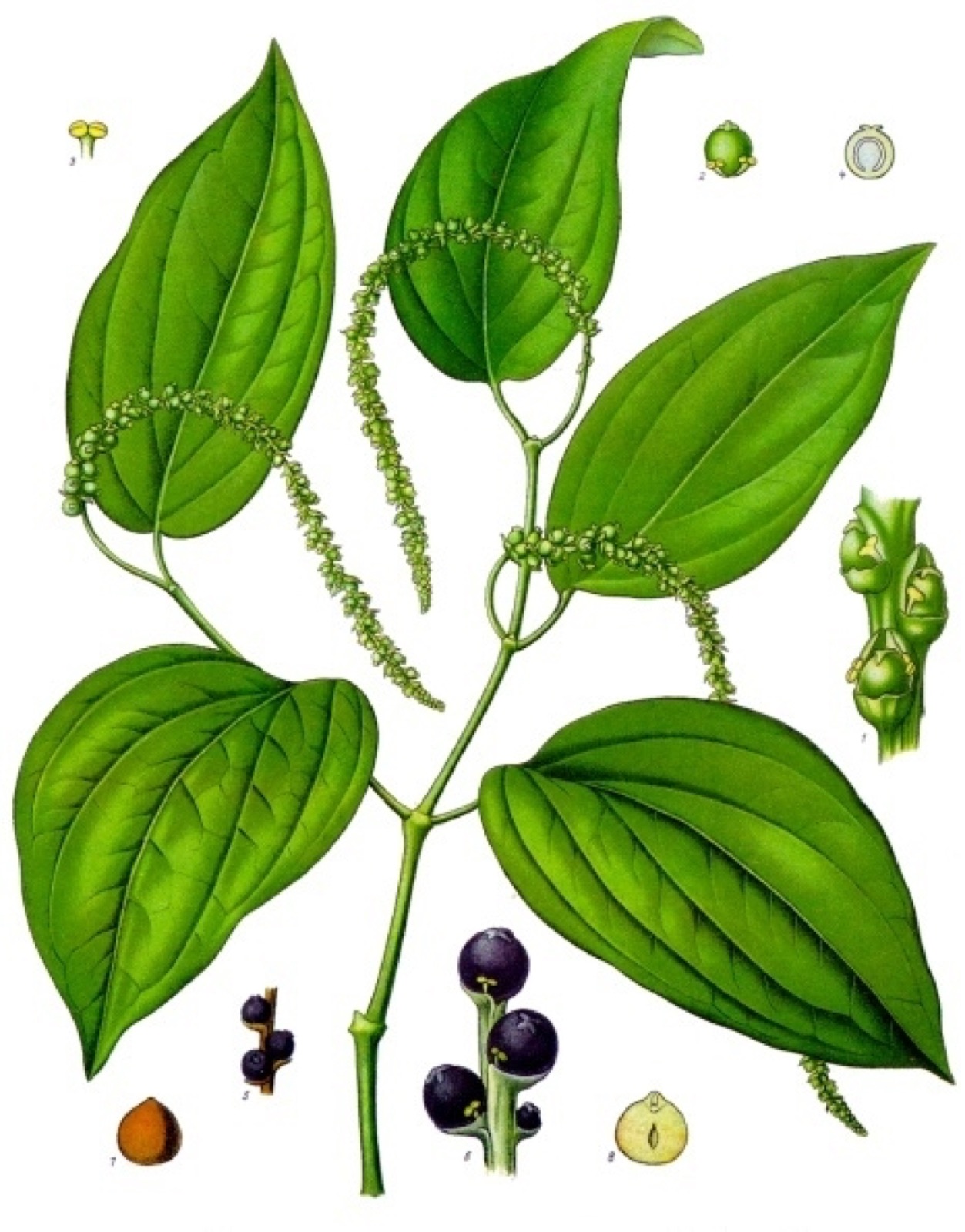
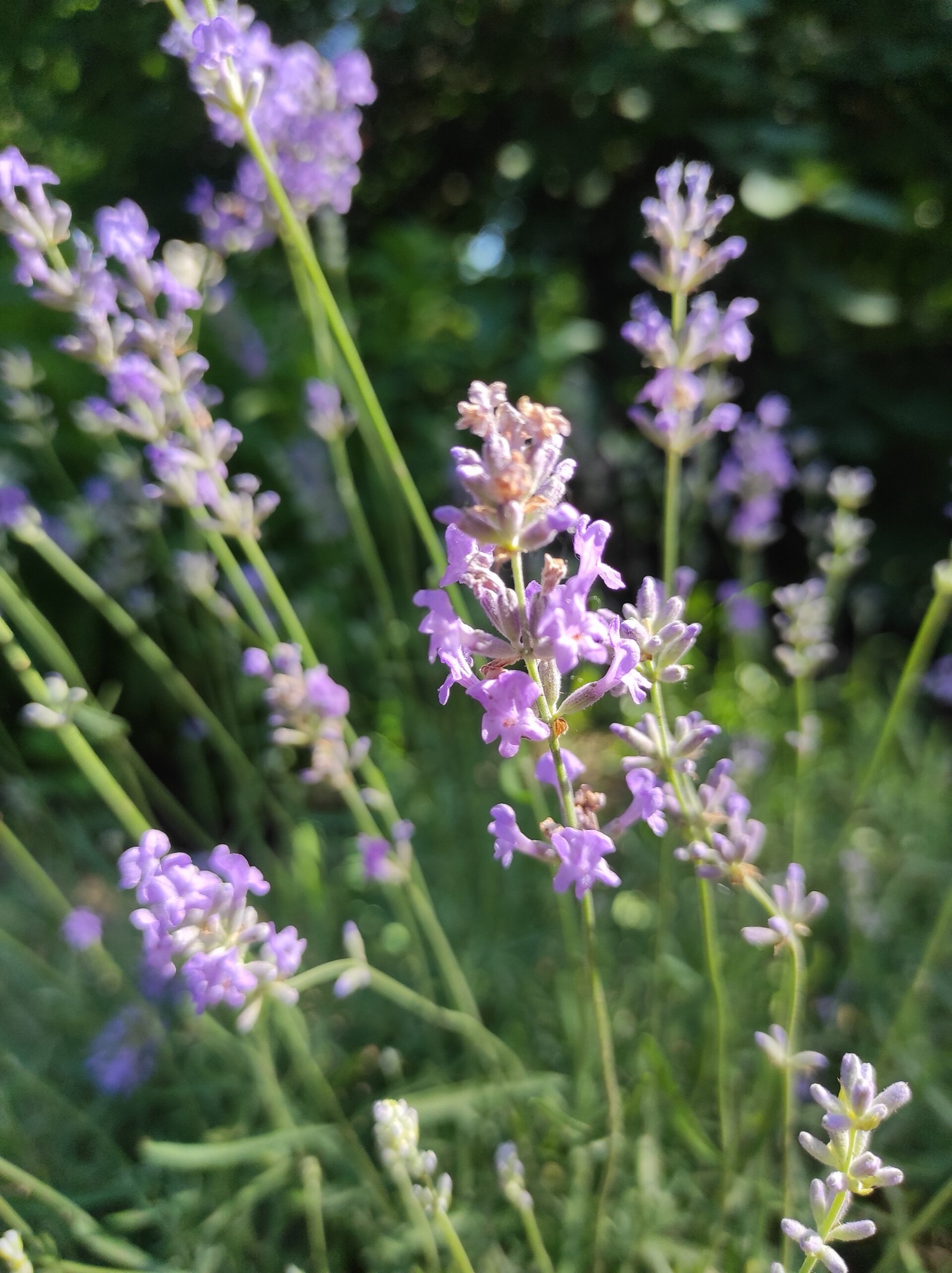
Each photograph is credited beside the image: the author, the licence name linked to the licence deed, and a link to the source file. Where a plate or illustration is still shown, it is credited the same way, under the photograph.

Licences in use are public domain, CC0, CC BY and CC BY-SA. A cropped CC BY-SA photograph stays under that licence. The text of this site does not.