Pinang
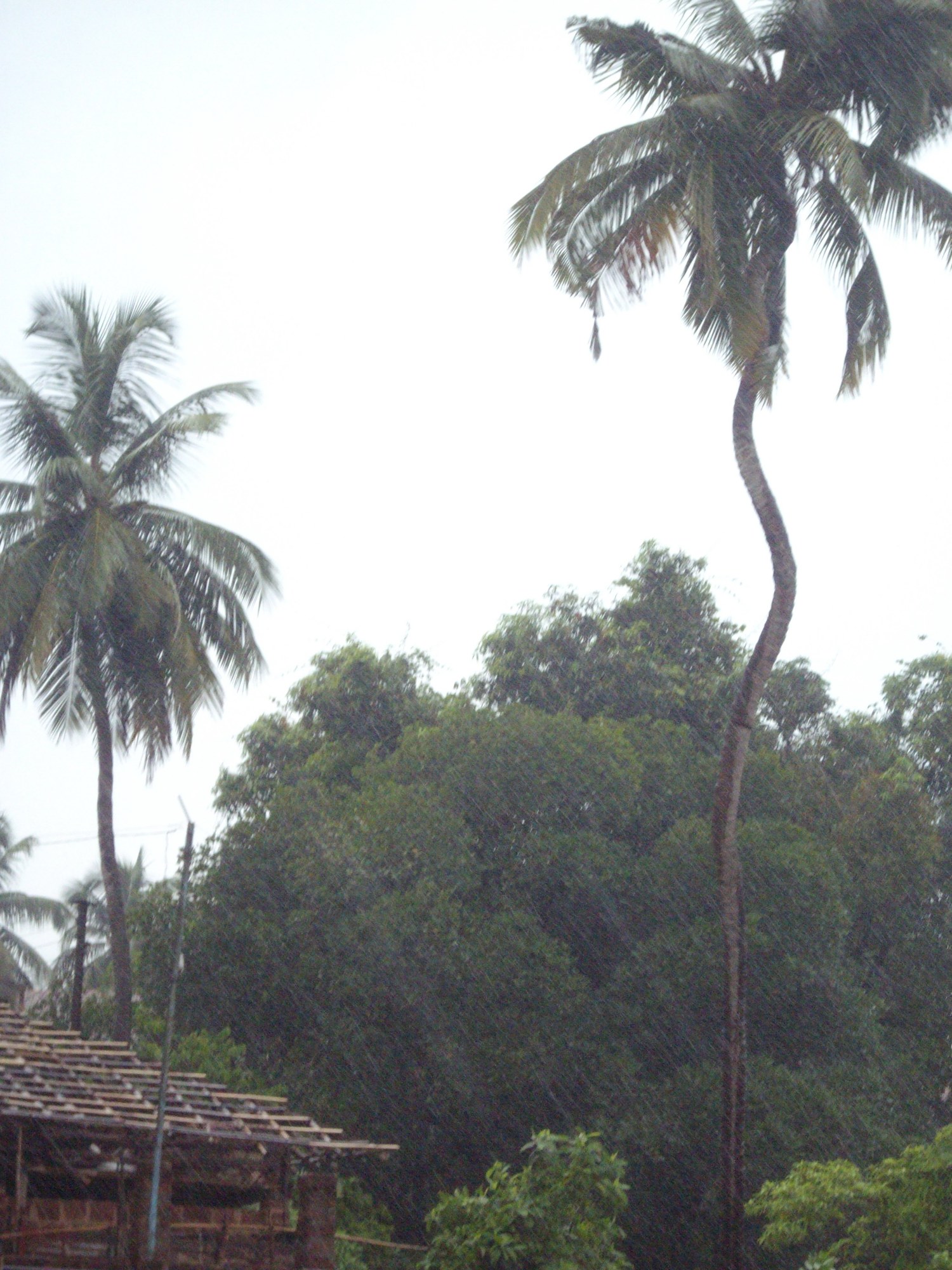
Areca catechu
ENAreca nut, Betel nut palm
- MSPinang
- IDPinang
- ENAreca nut
Family: Arecaceae
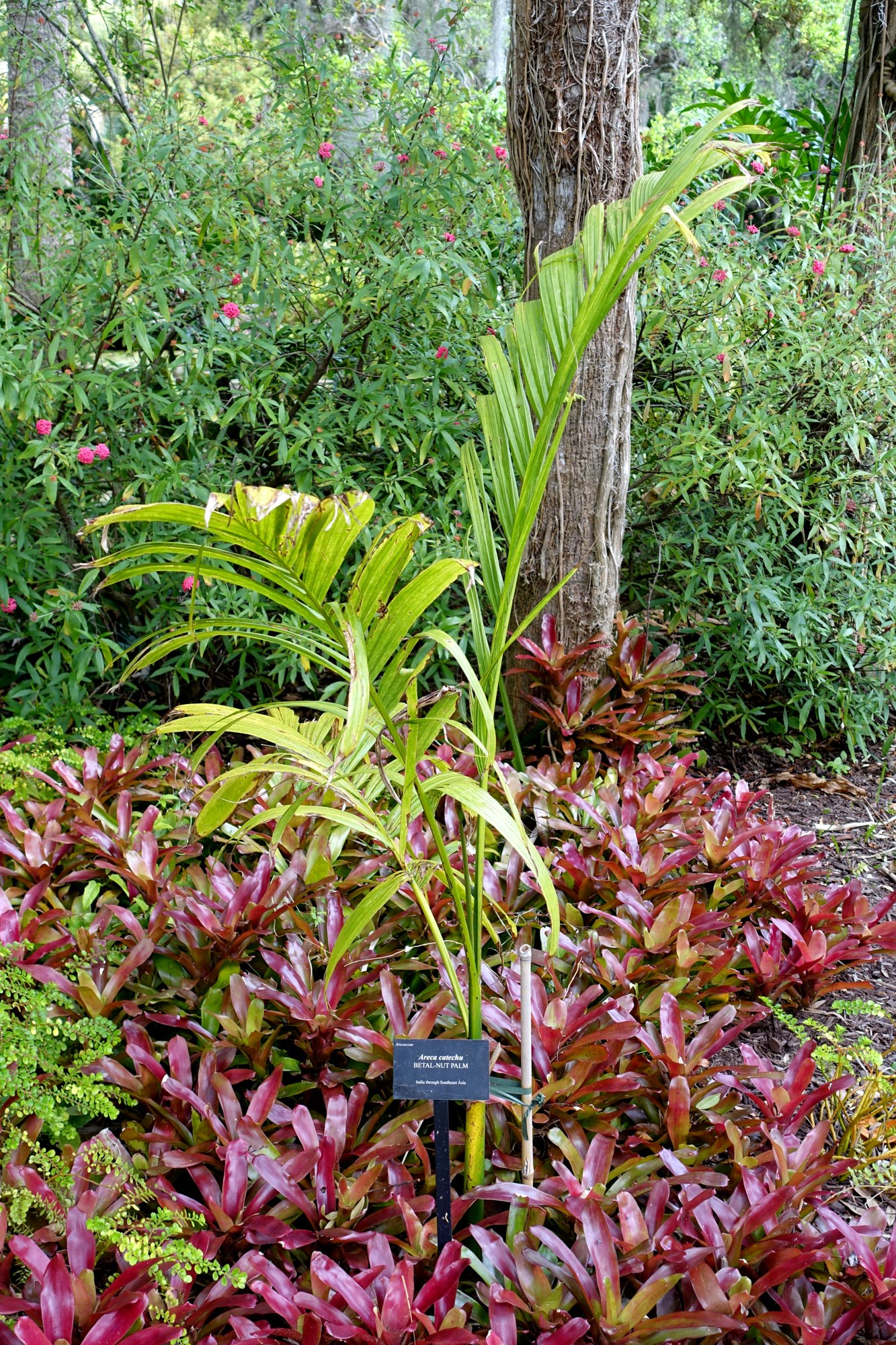
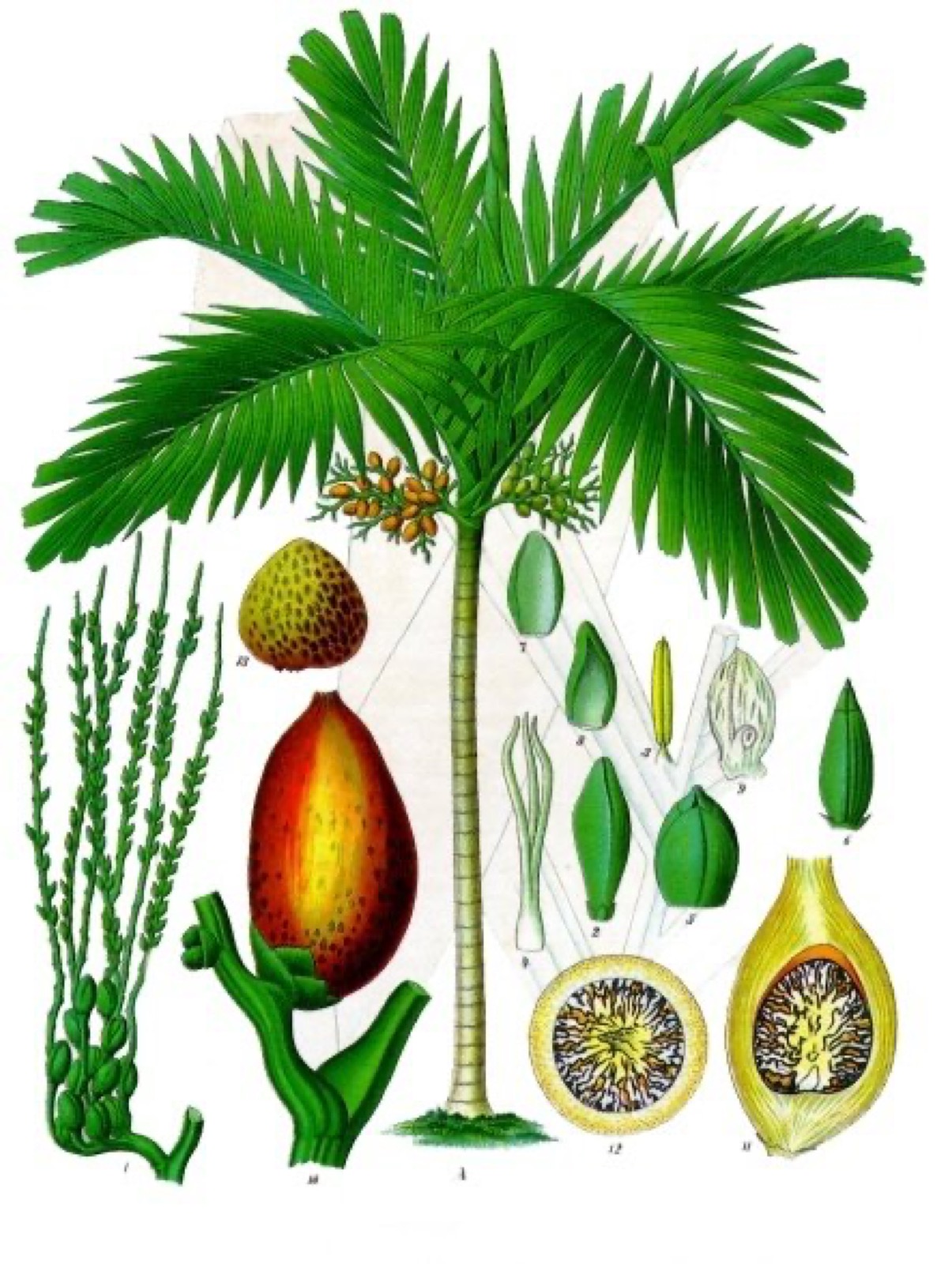
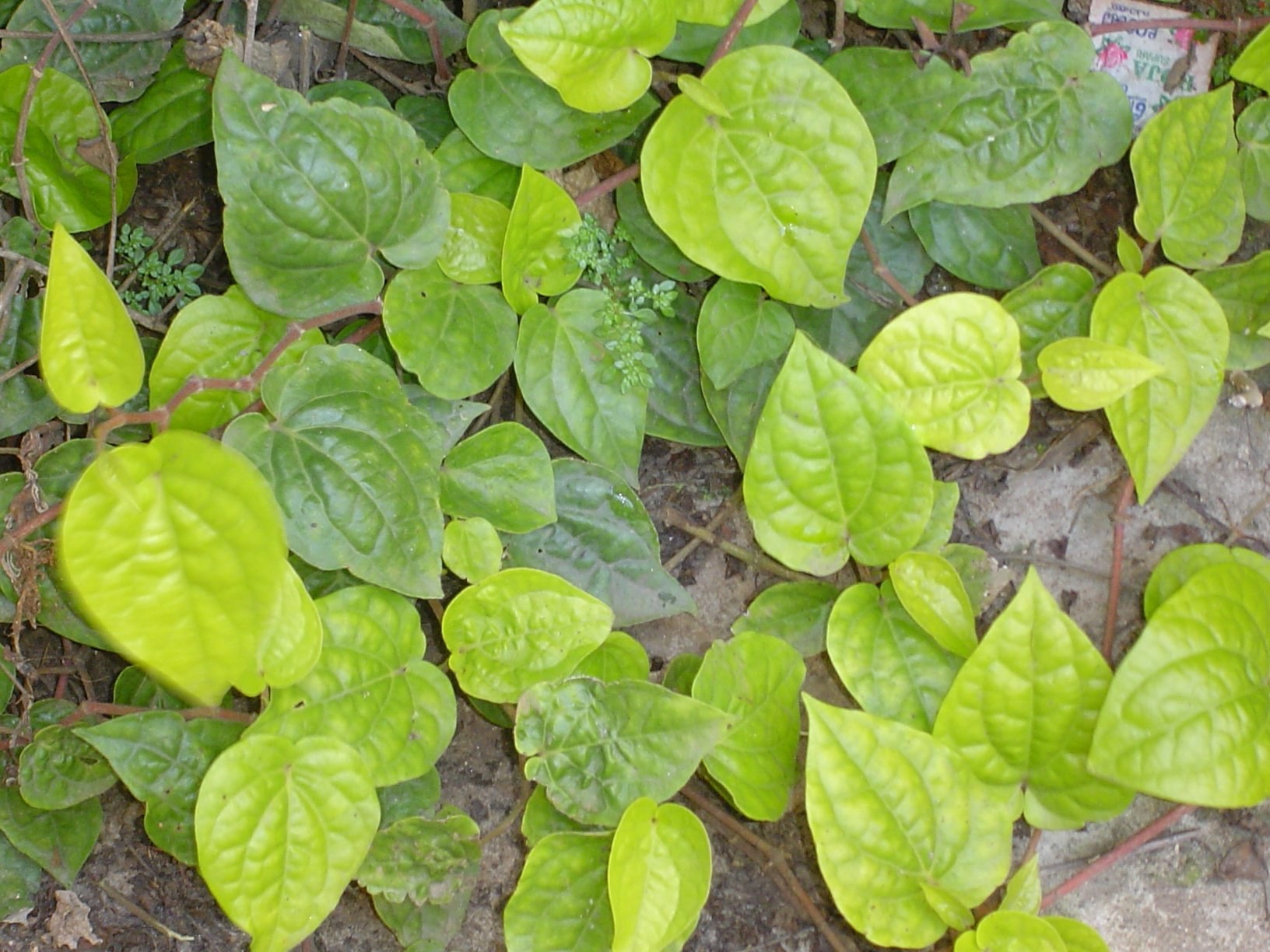
Pinang is the areca palm, whose nut is wrapped with lime in a sireh leaf to make the betel quid of Malay custom. The quid holds a central place in ceremony, but chewing areca nut is a proven cause of oral cancer.
- Parts used
- Seed
- Native range
- Native. Philippines (POWO/WCVP).
- Habitat
- Garden
Rituals and ceremony
Areca nut is chewed in the betel quid with leaf and lime across South and Southeast Asia [2]. Areca catechu is native to the Philippines and has been carried by people throughout the rest of the archipelago [1].
Cautions and safety
Areca nut is classified as a Group 1 human carcinogen by the International Agency for Research on Cancer, and chewing it is one of the major risk factors for oral cancer [2]. Risk rises with the number of quids per day and the years of chewing [2]. This entry records the nut's place in custom; it does not suggest chewing it.
This entry is for information only and is not medical advice.
Sources (3)
- POWO (2026). Areca catechu L.. Plants of the World Online, Royal Botanic Gardens, Kew; distribution from the World Checklist of Vascular Plants. Accessed 18 October 2026. Source
- Warnakulasuriya S, Chen THH (2022). Areca Nut and Oral Cancer: Evidence from Studies Conducted in Humans. J Dent Res 101(10): 1139-1146. Source
- IARC (2004). Betel-quid and Areca-nut Chewing and Some Areca-nut-derived Nitrosamines. IARC Monographs on the Evaluation of Carcinogenic Risks to Humans, vol. 85. Lyon: IARC. Source