Dictionary entry
Kelapa
Cocos nucifera
ENCoconut
- MSKelapa
- MSNyiur
- IDKelapa
- ENCoconut
Synonym: Calappa nucifera (L.) Kuntze
Family: Arecaceae
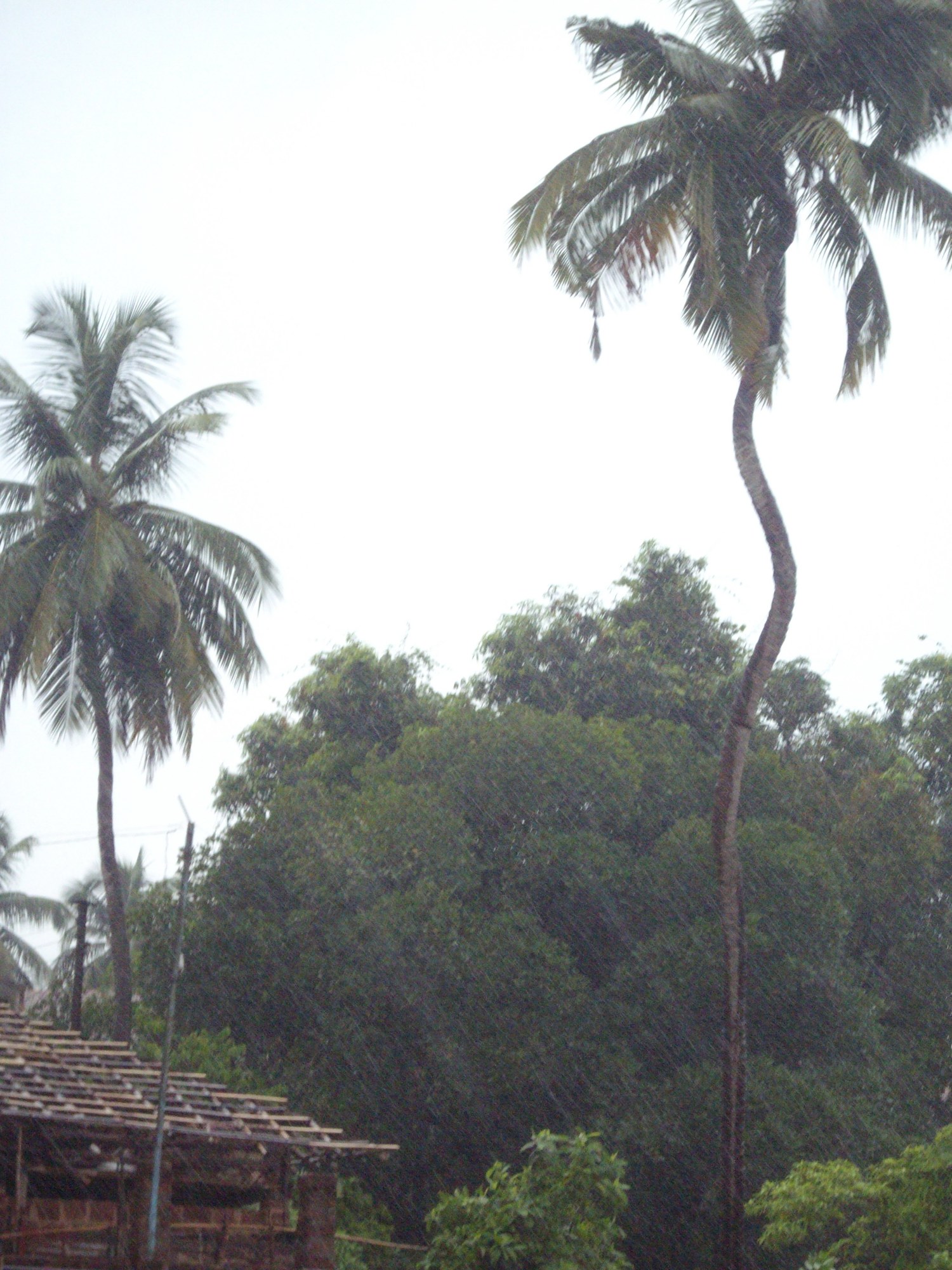
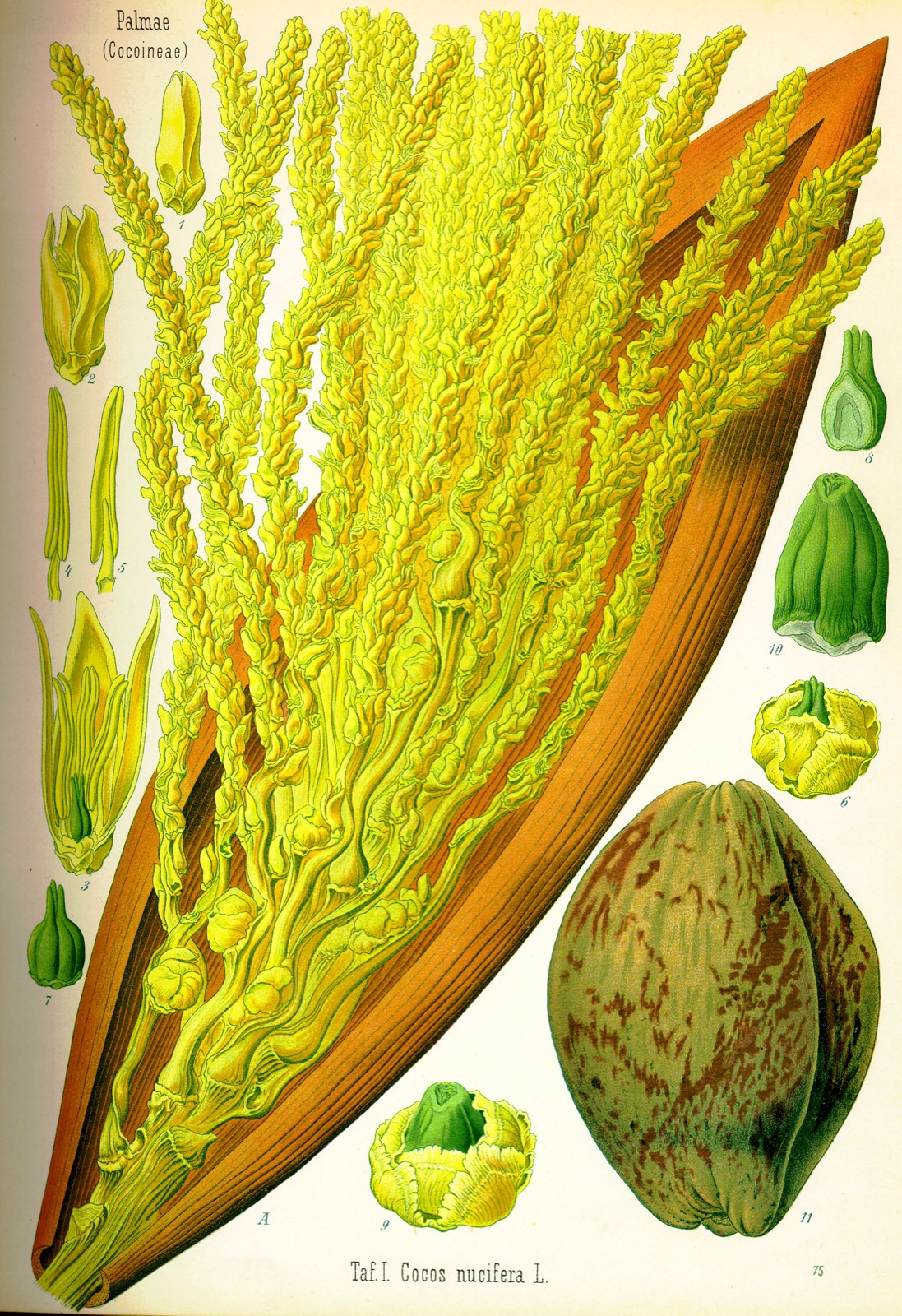
Kelapa, the coconut palm, gives the Nusantara its santan and its cooking oil. POWO gives its native range as central Malesia to the south-west Pacific.
- Parts used
- Fruit, Seed
- Native range
- Native. C. Malesia to SW. Pacific (POWO/WCVP).
- Habitat
- Garden
In the kitchen
Coconut is native from central Malesia to the south-west Pacific, including Maluku, New Guinea and the Philippines, and introduced elsewhere in the archipelago [1]. Its flesh, water, milk and oil are part of daily cooking across the region [2].
Beauty and grooming traditions
Plant oils, coconut oil among them, are used on skin around the world [3].
Cautions and safety
Coconut is a food. Coconut allergy is rare and not directly linked to nut allergy, but it does occur [4].
This entry is for information only and is not medical advice.
Sources (4)
- POWO (2026). Cocos nucifera L.. Plants of the World Online, Royal Botanic Gardens, Kew; distribution from the World Checklist of Vascular Plants. Accessed 18 October 2026. Source
- Lima EB, Sousa CN, Meneses LN, et al. (2015). Cocos nucifera (L.) (Arecaceae): A phytochemical and pharmacological review. Braz J Med Biol Res 48(11): 953-64. Source
- Vaughn AR, Clark AK, Sivamani RK, et al. (2018). Natural Oils for Skin-Barrier Repair: Ancient Compounds Now Backed by Modern Science. Am J Clin Dermatol 19(1): 103-117. Source
- Anagnostou K (2017). Coconut Allergy Revisited. Children (Basel) 4(10). Source