Dictionary entry
Asam jawa
Tamarindus indica
ENTamarind
- MSAsam jawa
- IDAsem
- ENTamarind
Synonym: Tamarindus occidentalis Gaertn.
Family: Fabaceae
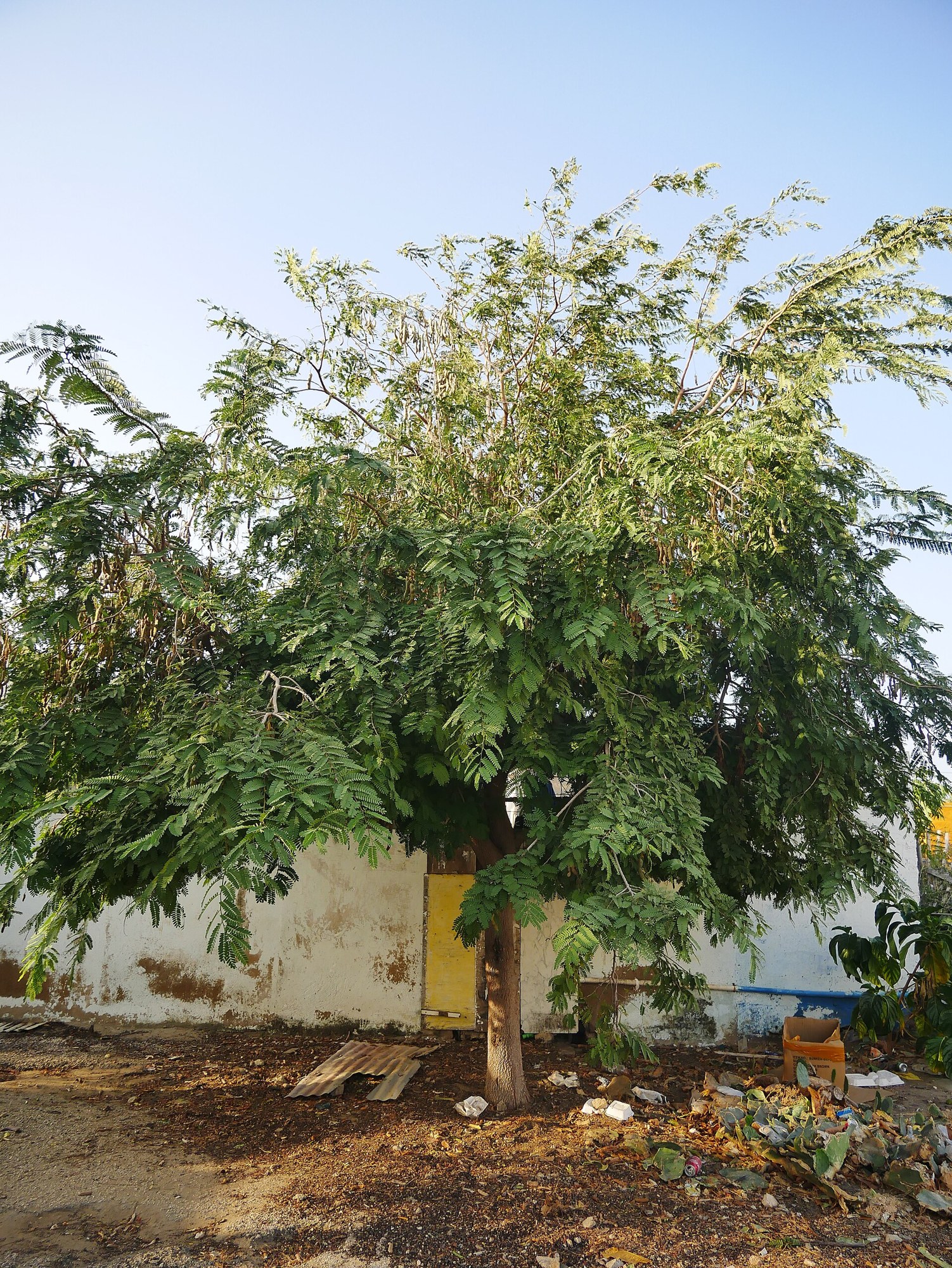
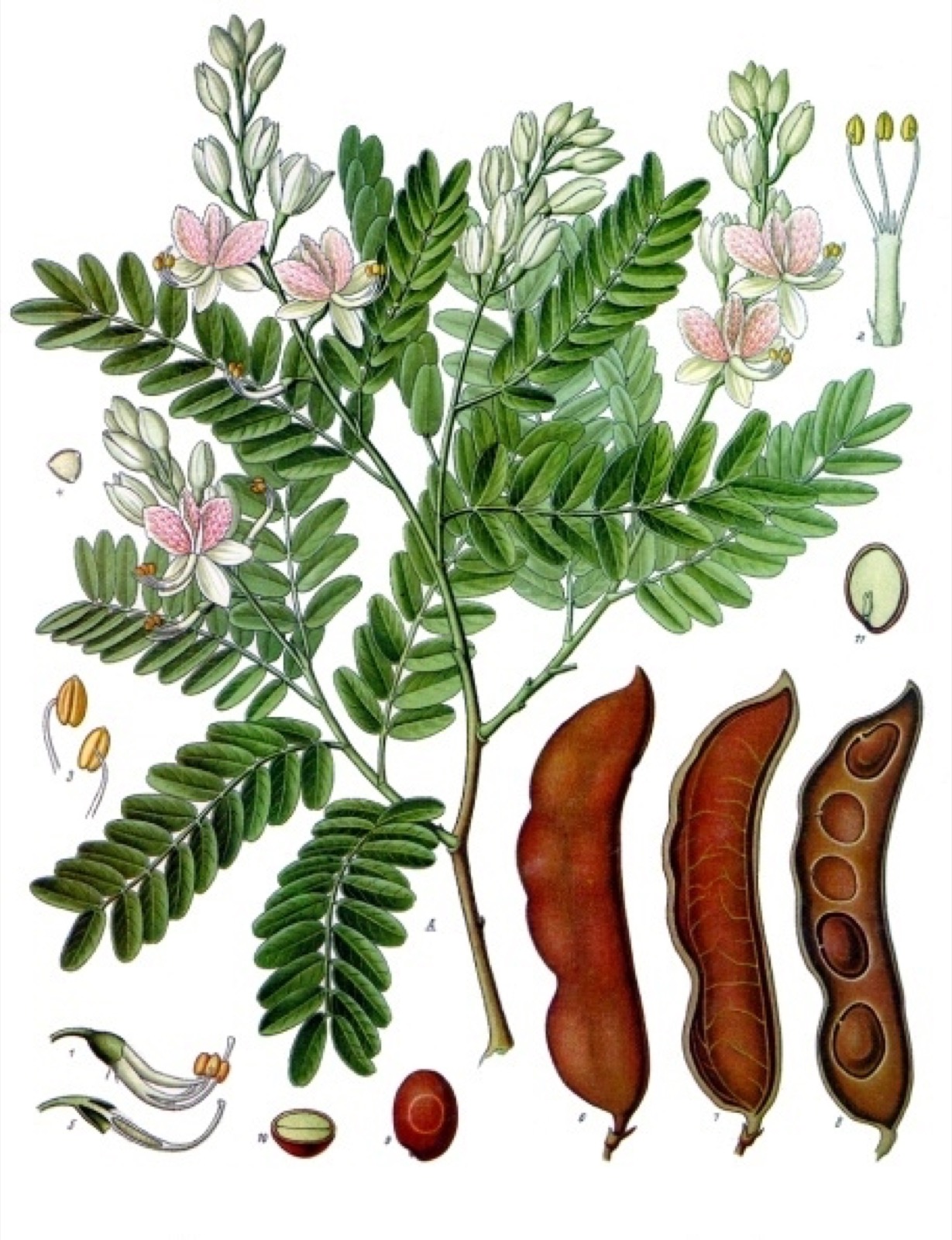
Asam jawa is tamarind, the brown pod whose sour pulp is used across the region. It is not native here; POWO places its origin in Madagascar and the Comoros.
- Parts used
- Fruit
- Native range
- Introduced or naturalised. Comoros, Madagascar (POWO/WCVP).
- Habitat
- Kitchen
Traditional and heritage uses
Tamarindus indica is native to the Comoros and Madagascar and recorded as introduced in Peninsular Malaysia, Sumatra, Java, the Philippines and New Guinea [1].
In the kitchen
Tamarind is a common tree whose fruits are widely used, and in West Africa the fruit pulp is a common traditional remedy [2].
Cautions and safety
Tamarind pulp is a food. It is mildly laxative in larger amounts [2].
This entry is for information only and is not medical advice.
Sources (3)
- POWO (2026). Tamarindus indica L.. Plants of the World Online, Royal Botanic Gardens, Kew; distribution from the World Checklist of Vascular Plants. Accessed 18 October 2026. Source
- Havinga RM, Hartl A, Putscher J, et al. (2010). Tamarindus indica L. (Fabaceae): patterns of use in traditional African medicine. J Ethnopharmacol 127(3): 573-88. Source
- Morton J (1987). Tamarind. In: Fruits of Warm Climates. Miami: Julia F. Morton, pp. 115-121. Source