Dictionary entry
Belimbing buluh
Averrhoa bilimbi
ENBilimbi, Cucumber tree
- MSBelimbing buluh
- IDBelimbing wuluh
- ENBilimbi
Family: Oxalidaceae
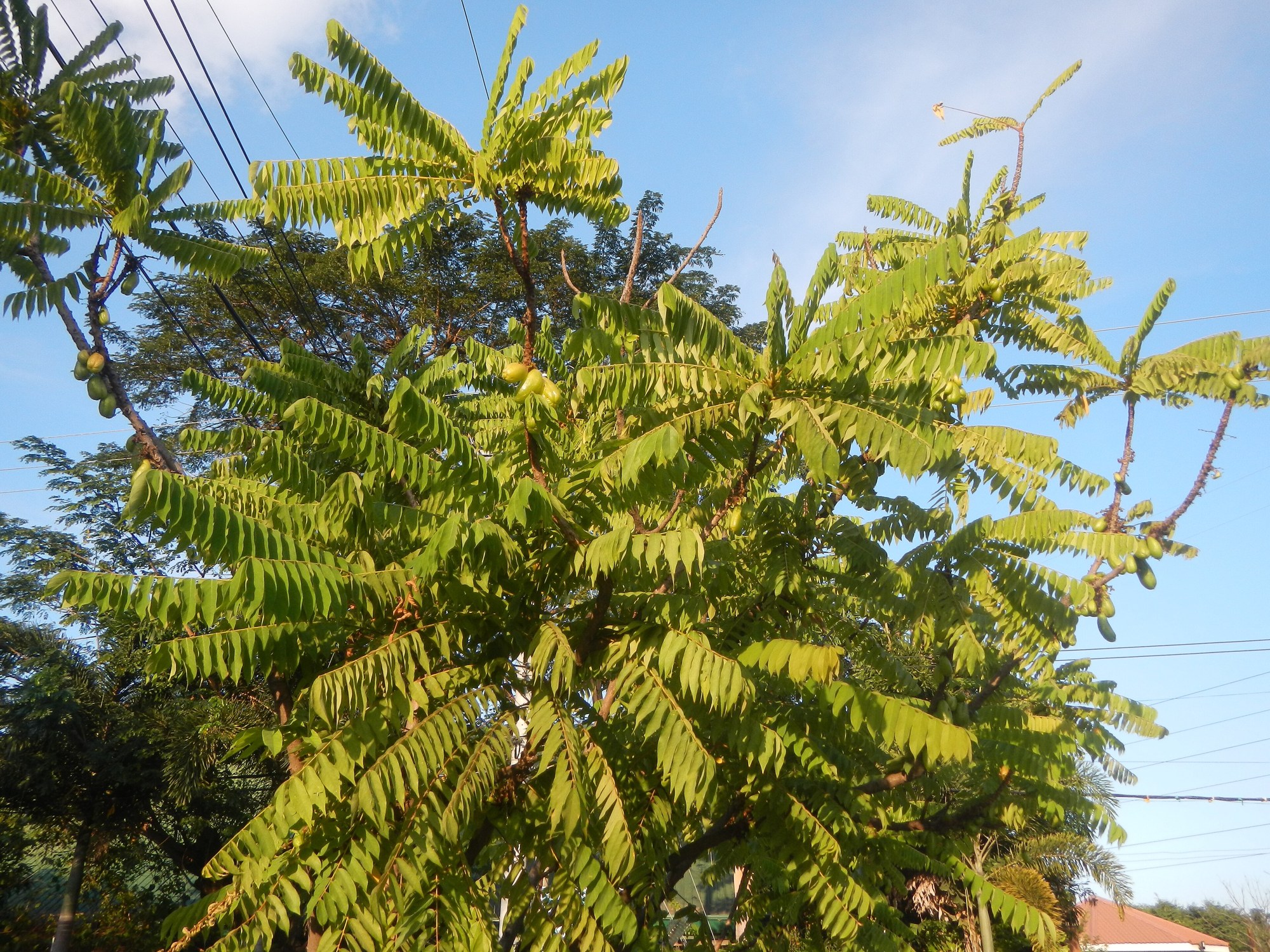
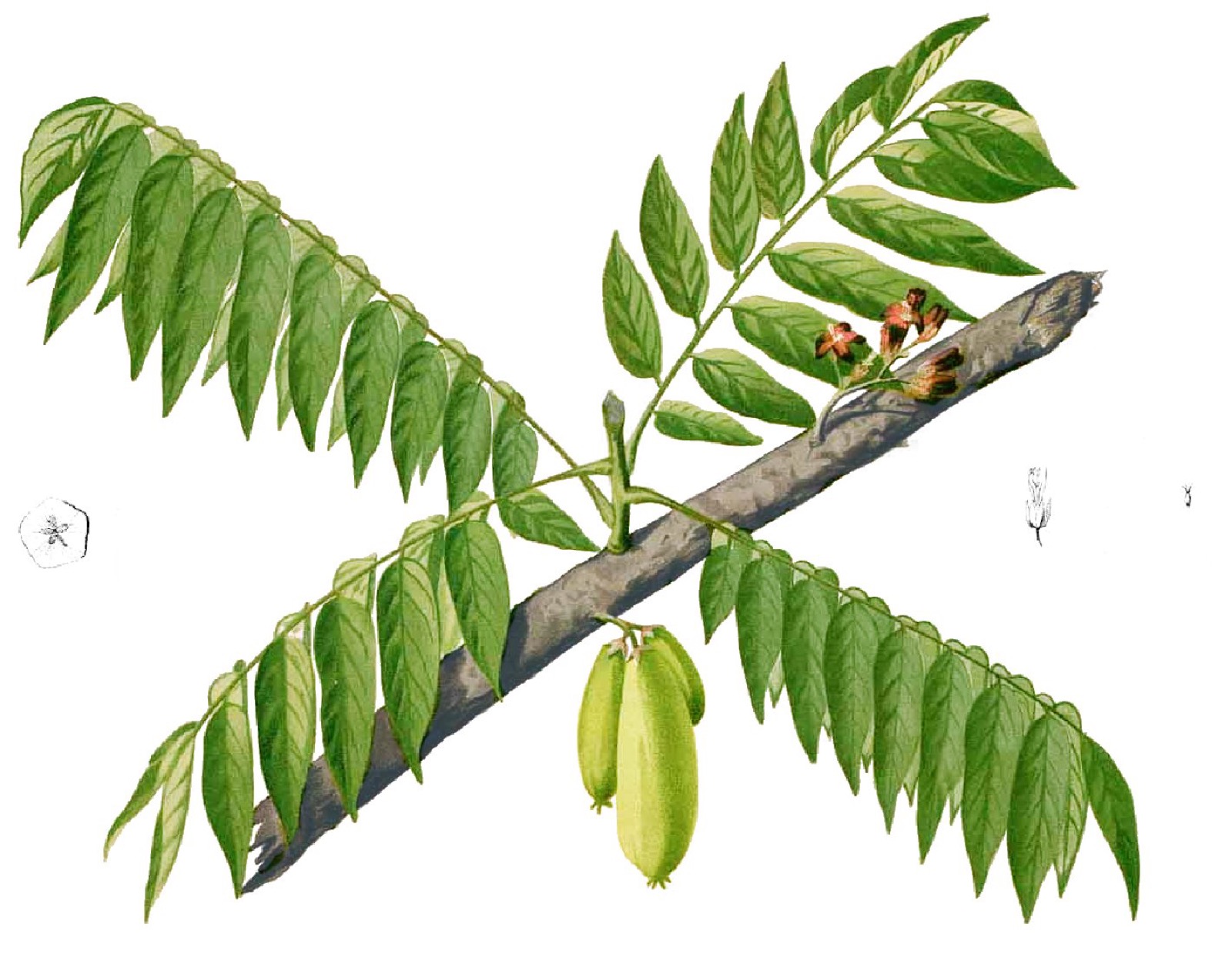
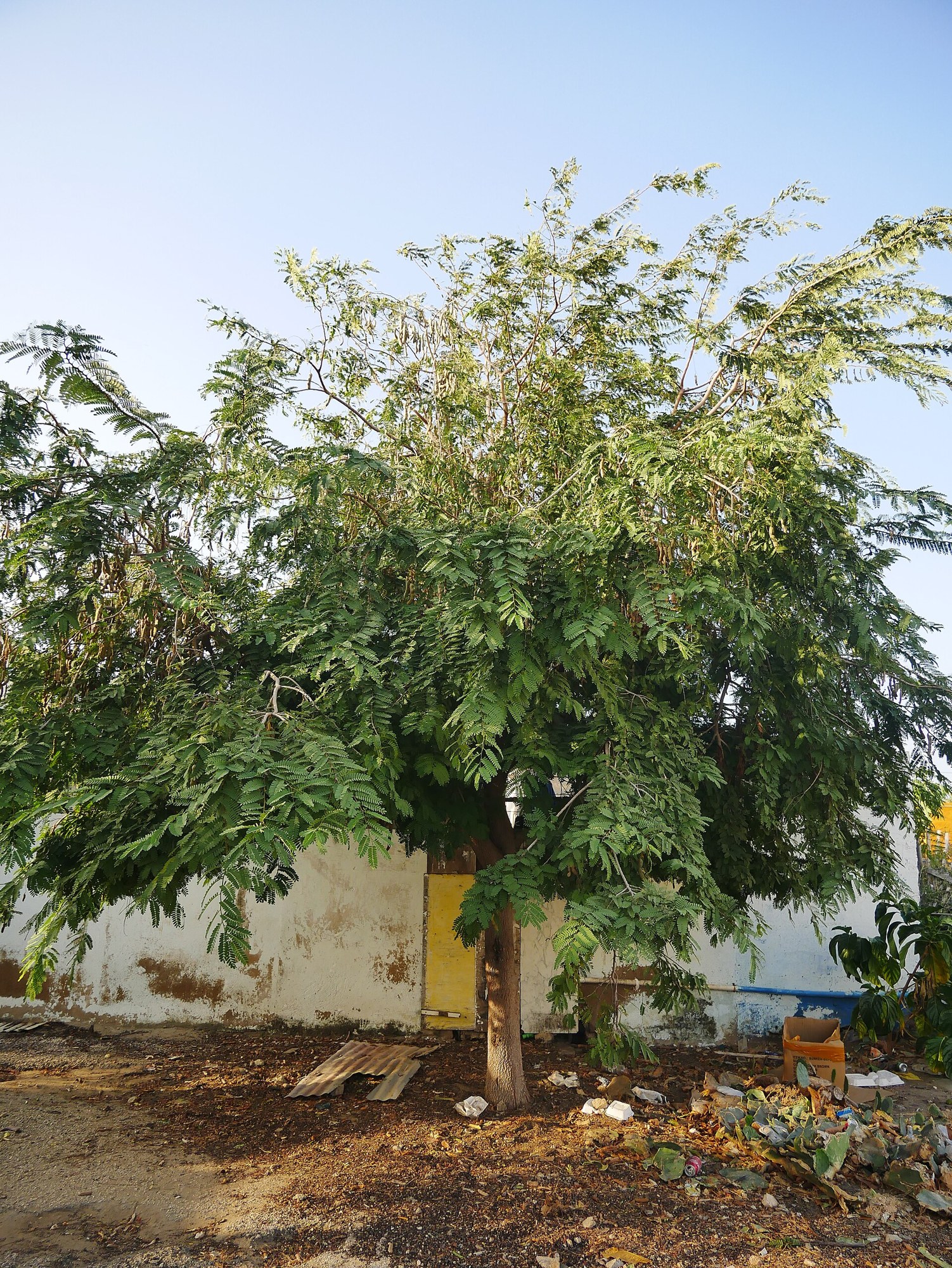
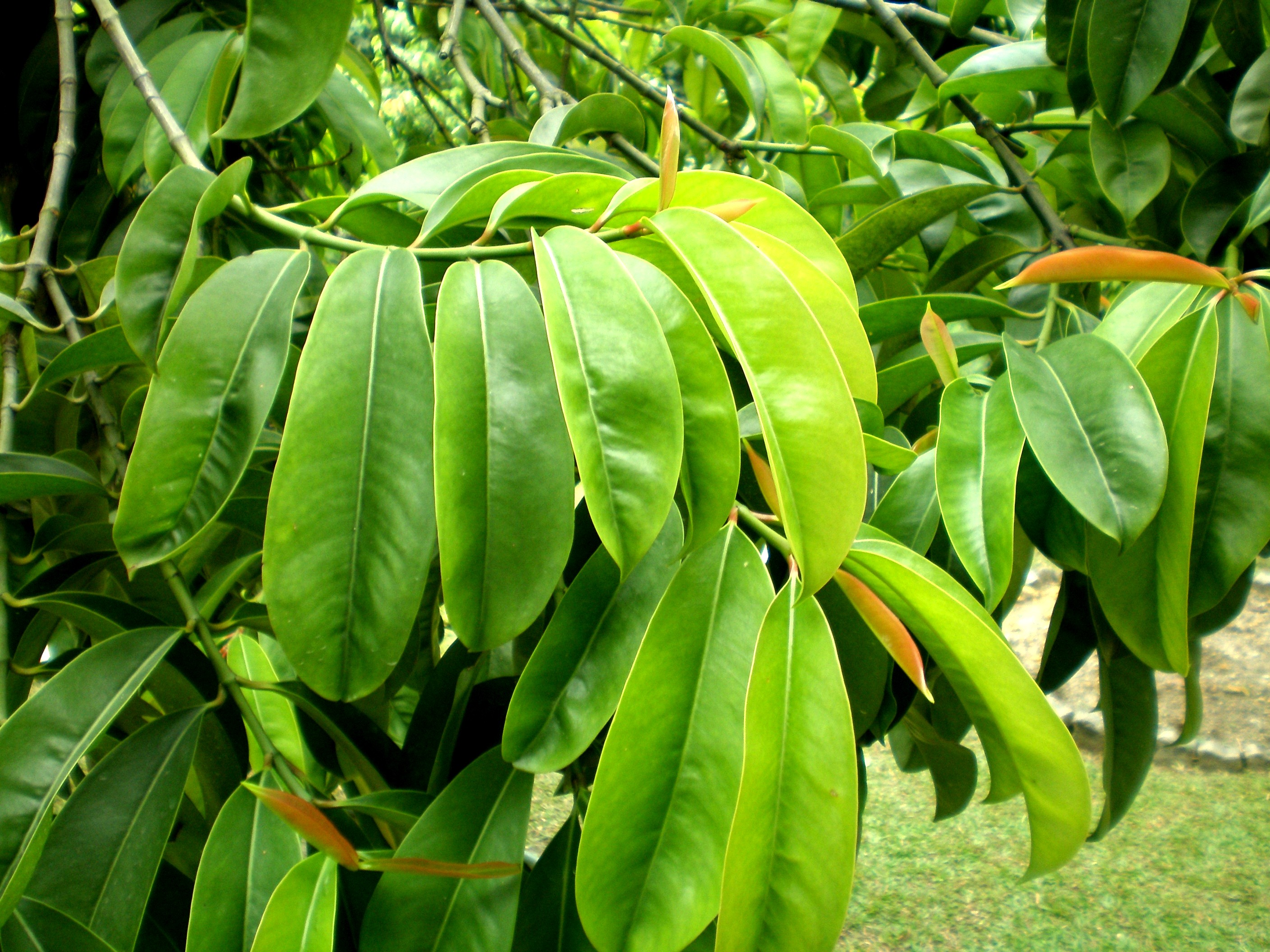
Belimbing buluh is the bilimbi, a small tree with very sour green fruits. It is native to Sulawesi and Maluku and grown elsewhere in the region.
- Parts used
- Fruit
- Native range
- Native. C. & E. Malesia (POWO/WCVP).
- Habitat
- Kitchen
Traditional and heritage uses
The tree is native to Sulawesi and Maluku and recorded as introduced in Peninsular Malaysia and New Guinea [1].
In the kitchen
Averrhoa bilimbi is cultivated in many tropical countries and is also used as a folk medicine [2].
Cautions and safety
The fruit is very high in oxalic acid. Drinking concentrated bilimbi juice has been linked to acute kidney injury [3].
This entry is for information only and is not medical advice.
Sources (3)
- POWO (2026). Averrhoa bilimbi L.. Plants of the World Online, Royal Botanic Gardens, Kew; distribution from the World Checklist of Vascular Plants. Accessed 18 October 2026. Source
- Alhassan AM, Ahmed QU (2016). Averrhoa bilimbi Linn.: A review of its ethnomedicinal uses, phytochemistry, and pharmacology. J Pharm Bioallied Sci 8(4): 265-271. Source
- Bakul G, Unni VN, Seethaleksmy NV, et al. (2013). Acute oxalate nephropathy due to 'Averrhoa bilimbi' fruit juice ingestion. Indian J Nephrol 23(4): 297-300. Source