Dictionary entry
Bidara
Ziziphus mauritiana
ENIndian jujube, Ber
- MSBidara
- IDBidara
- ENIndian jujube
Synonym: Ziziphus indica Chaz.
Family: Rhamnaceae
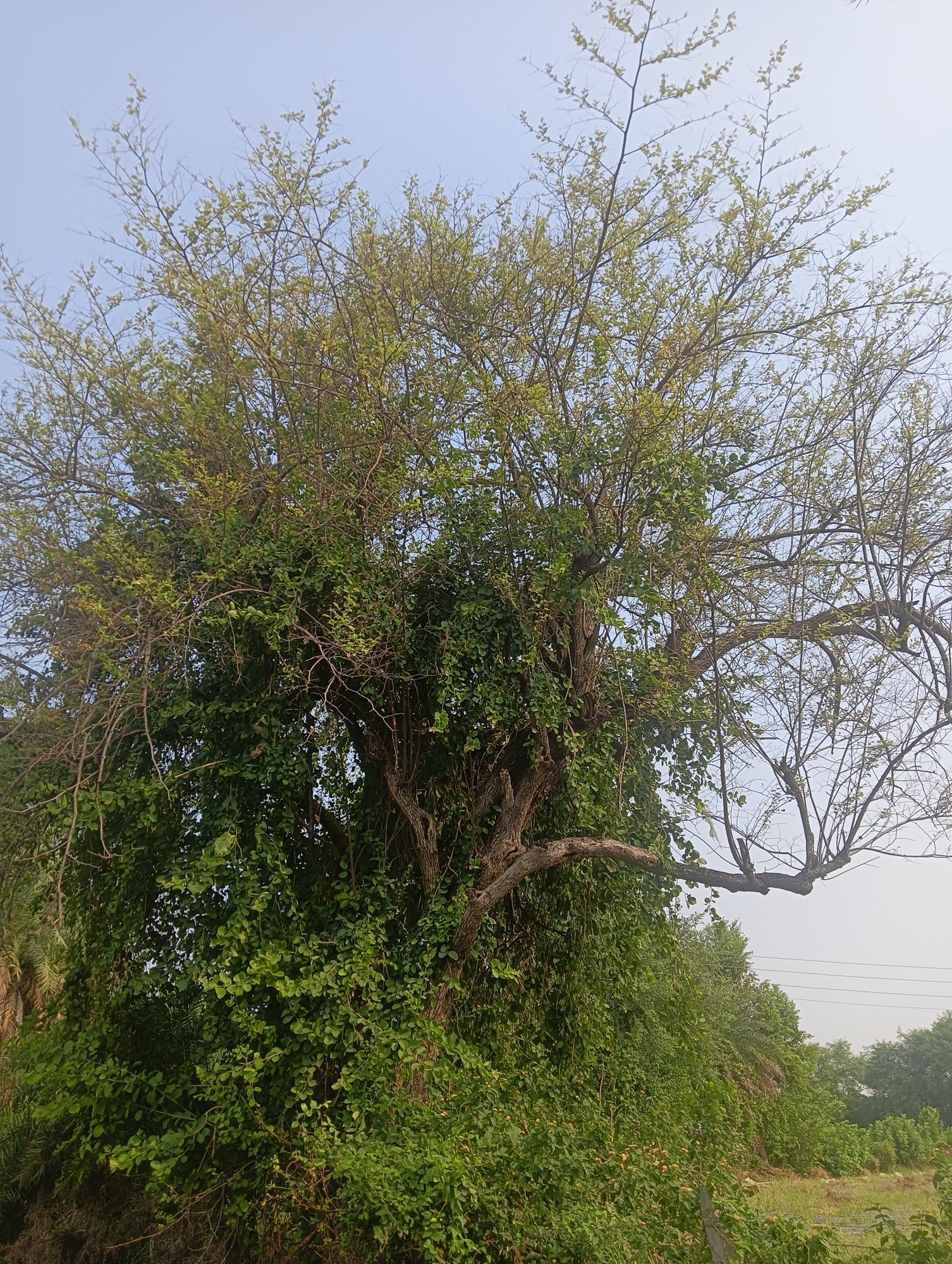
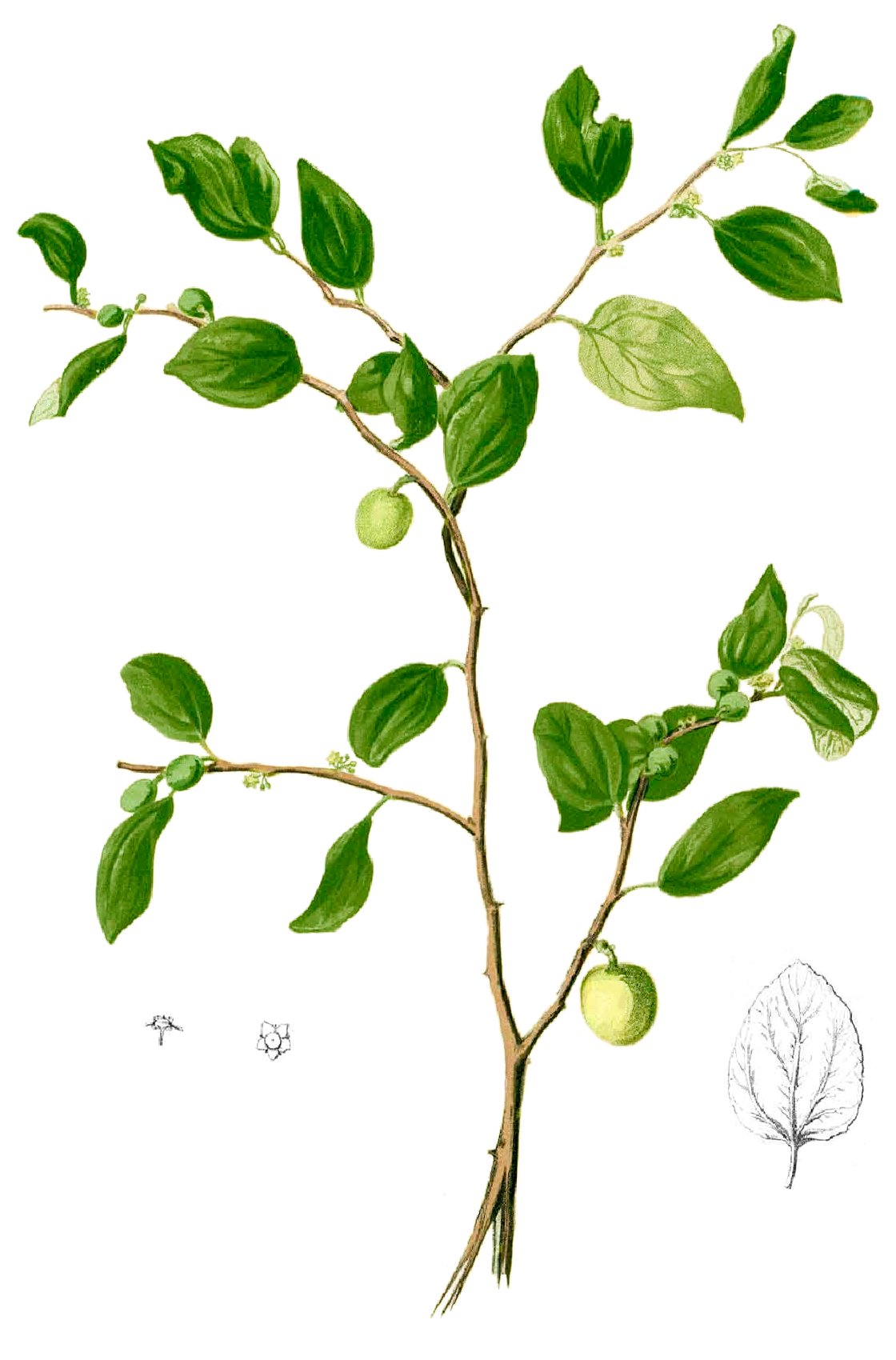
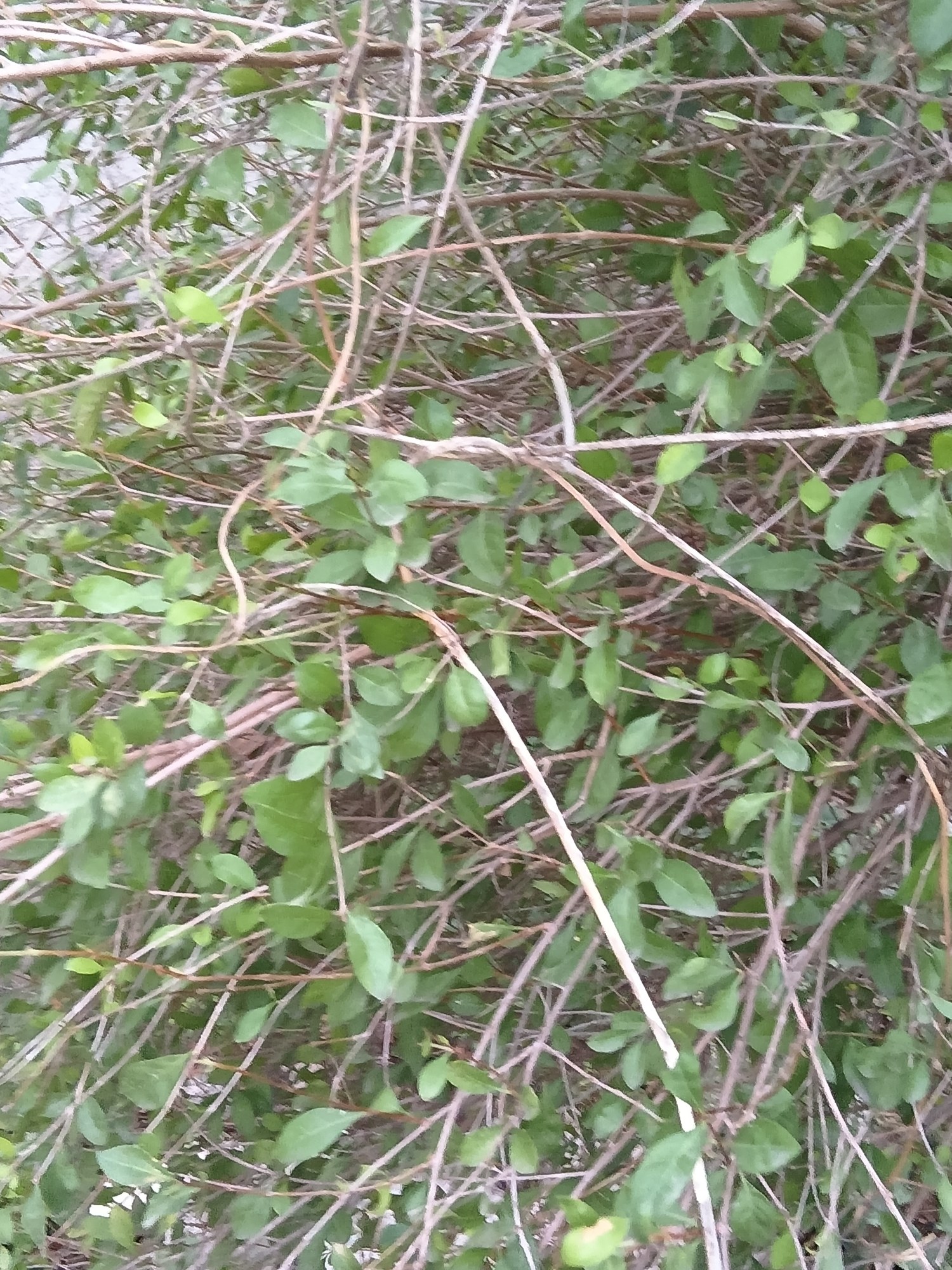
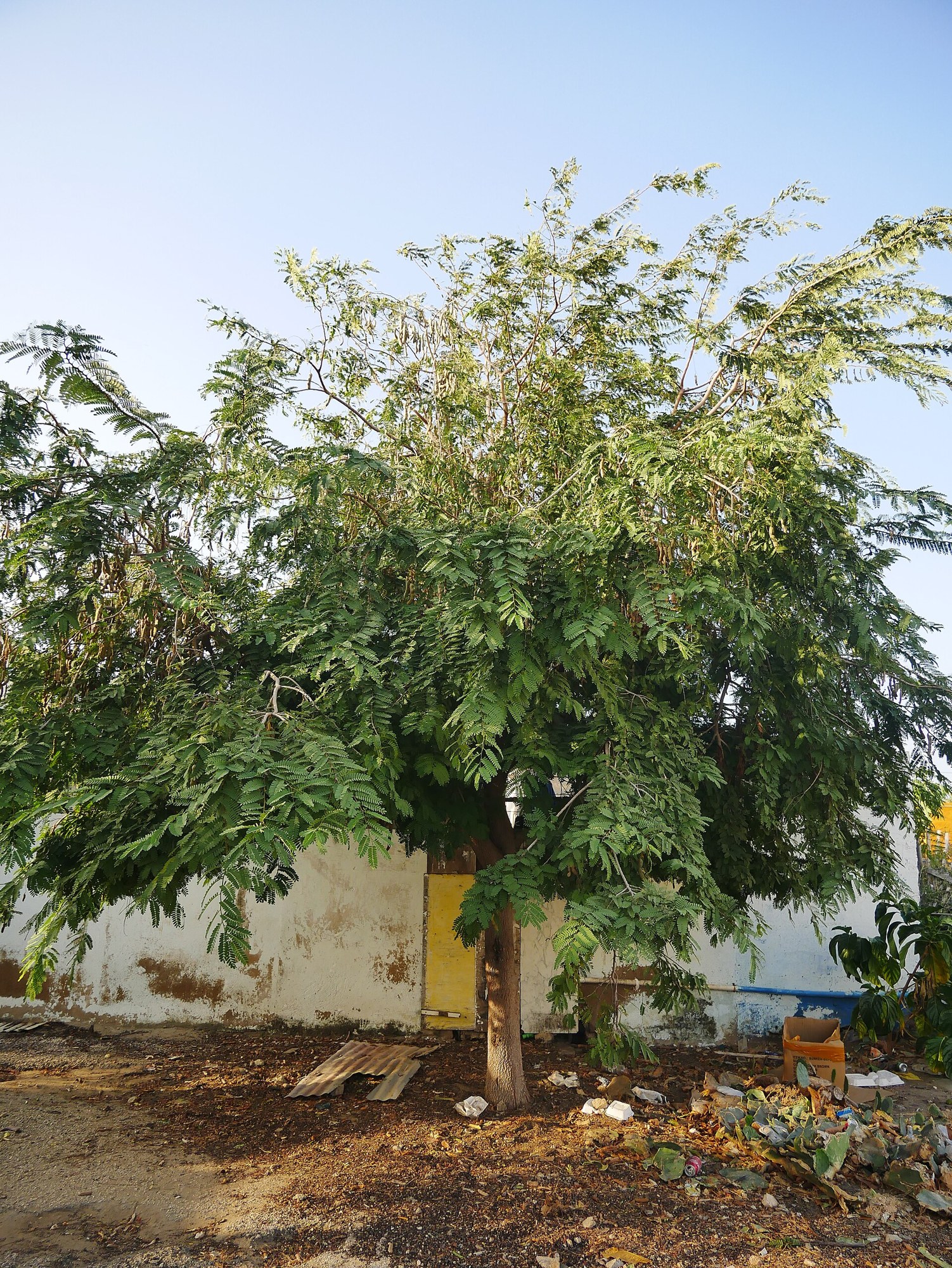
Bidara is the Indian jujube, a thorny tree whose small fruits are eaten and whose leaves are eaten as a vegetable in Indonesia. It is native to Peninsular Malaysia.
- Parts used
- Leaf, Fruit
- Native range
- Native. Cape Verde, African Sahara to Sahel to Tanzania, S. Iran to Australia (POWO/WCVP).
- Habitat
- Garden
Traditional and heritage uses
POWO records the species as native across a wide range from the Sahara and Sahel to Australia, including Peninsular Malaysia [1]. Outside its native range it can form dense thickets and is managed as a weed [2].
In the kitchen
Ziziphus mauritiana fruits are eaten, and the leaves are consumed as a vegetable in Indonesia and India [3].
Cautions and safety
The fruit is eaten as food. A toxicity study of a leaf extract in animals [3] is not evidence of effects in people.
This entry is for information only and is not medical advice.
Sources (3)
- POWO (2026). Ziziphus mauritiana Lam.. Plants of the World Online, Royal Botanic Gardens, Kew; distribution from the World Checklist of Vascular Plants. Accessed 18 October 2026. Source
- O'Brien CJ, Campbell S, Young A, et al. (2023). Chinee Apple (Ziziphus mauritiana): A Comprehensive Review of Its Weediness, Ecological Impacts and Management Approaches. Plants (Basel) 12(18). Source
- Ramar MK, Chidambaram K, Chandrasekaran B, et al. (2022). Standardization, in-silico and in-vivo safety assessment of methanol extract of Ziziphus mauritiana Lam leaves. Regul Toxicol Pharmacol 131: 105144. Source