Culinary
Ulam, rempah, kuih and drinks: how each plant is prepared and where it appears at the table.
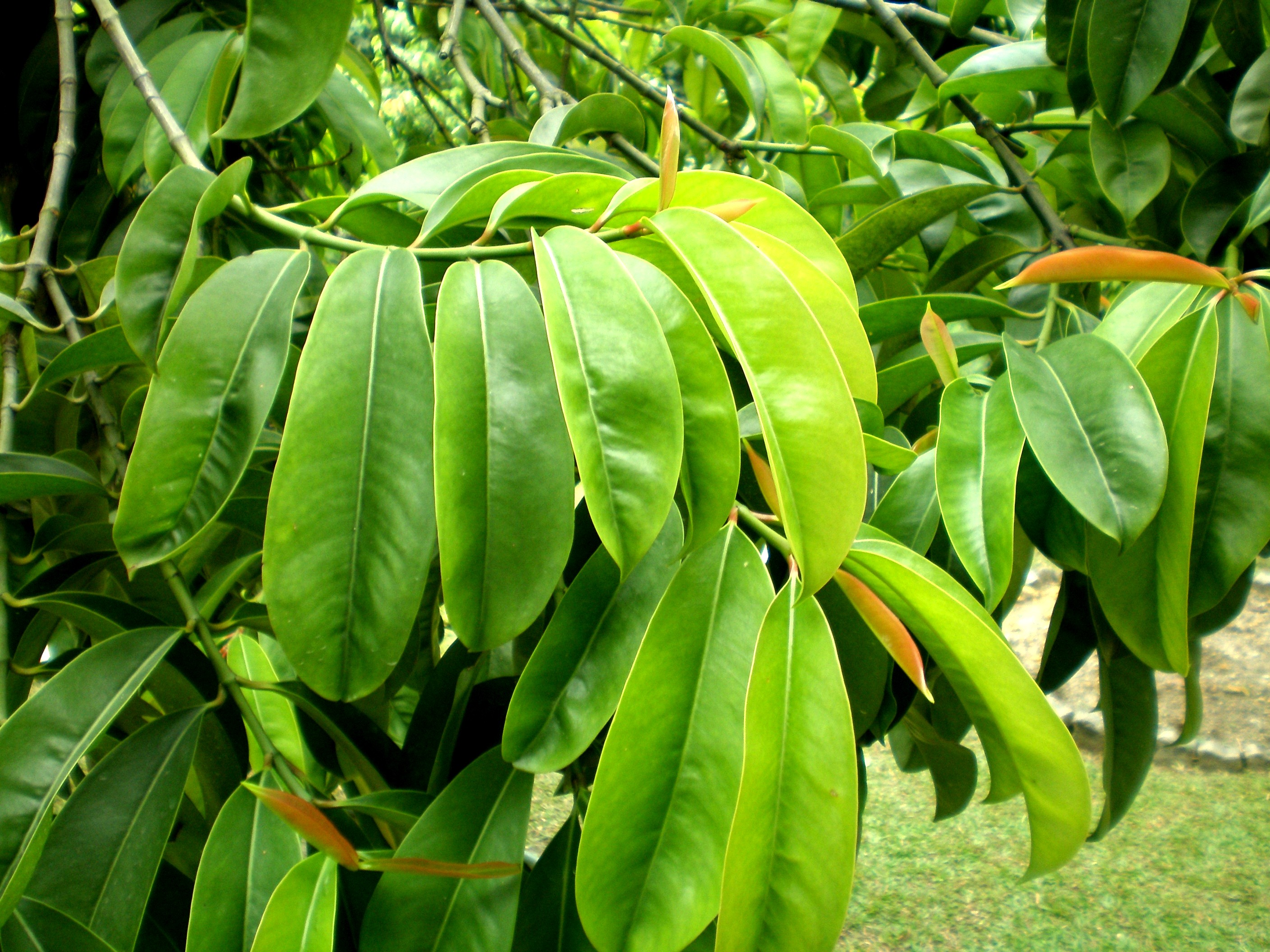 Asam gelugur
Garcinia atroviridis
English: Asam gelugur, Garcinia
Asam gelugur is a native Garcinia whose dried fruit is used to sour dishes. The tree grows in Peninsular Malaysia, Sumatra and Borneo.
Culinary
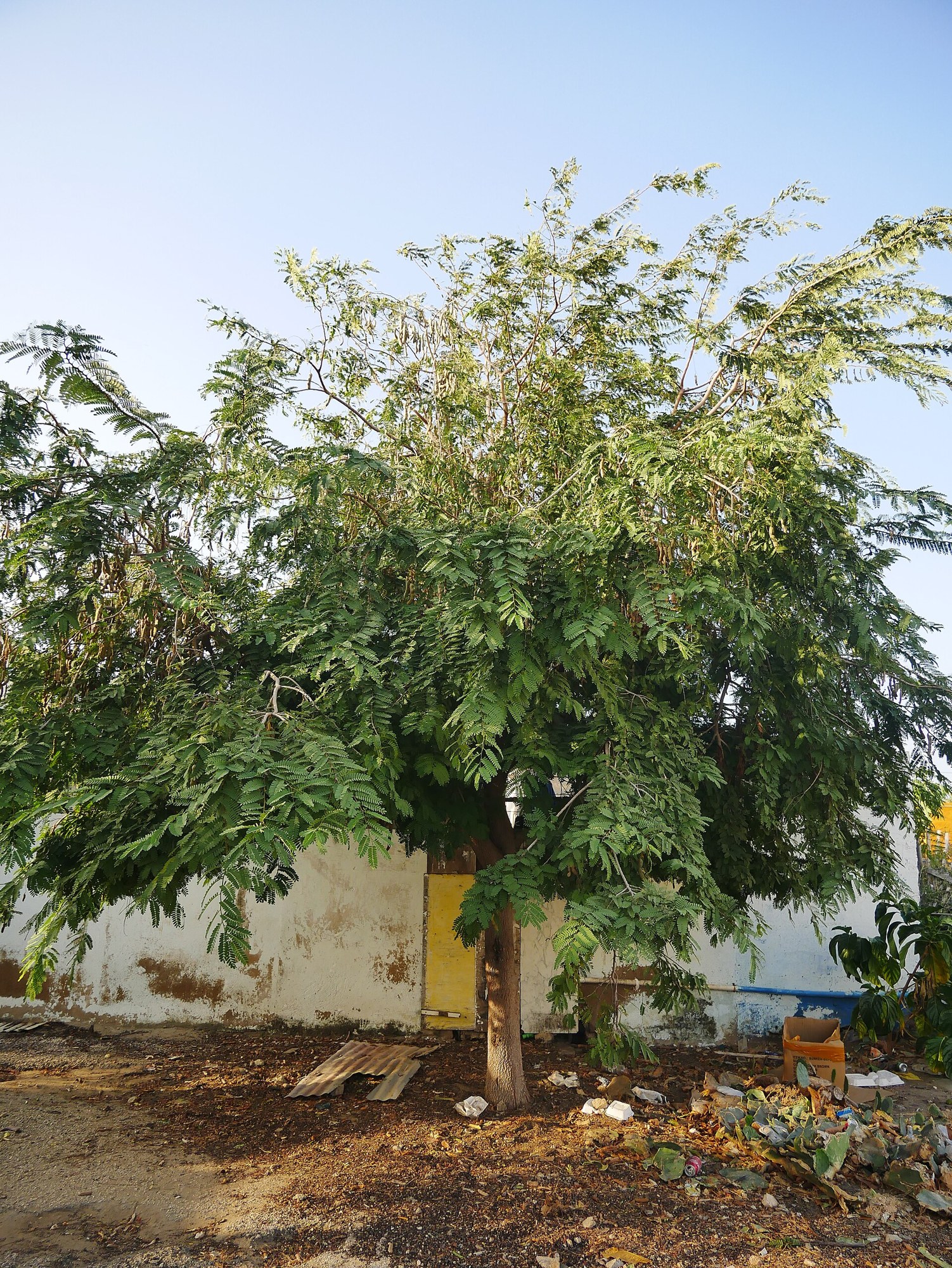 Asam jawa
Tamarindus indica
English: Tamarind
Asam jawa is tamarind, the brown pod whose sour pulp is used across the region. It is not native here; POWO places its origin in Madagascar and the Comoros.
Culinary
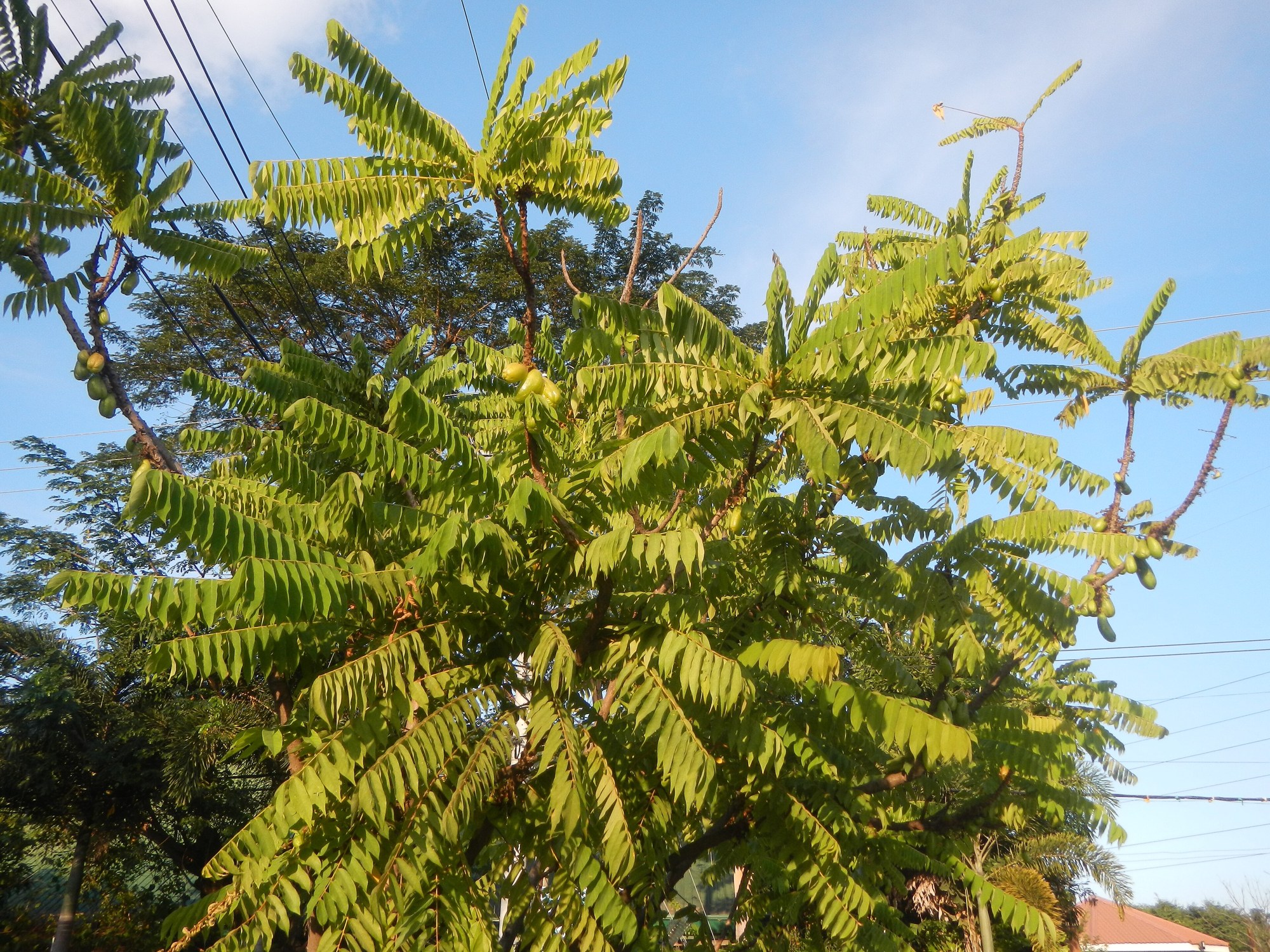 Belimbing buluh
Averrhoa bilimbi
English: Bilimbi, Cucumber tree
Belimbing buluh is the bilimbi, a small tree with very sour green fruits. It is native to Sulawesi and Maluku and grown elsewhere in the region.
Culinary
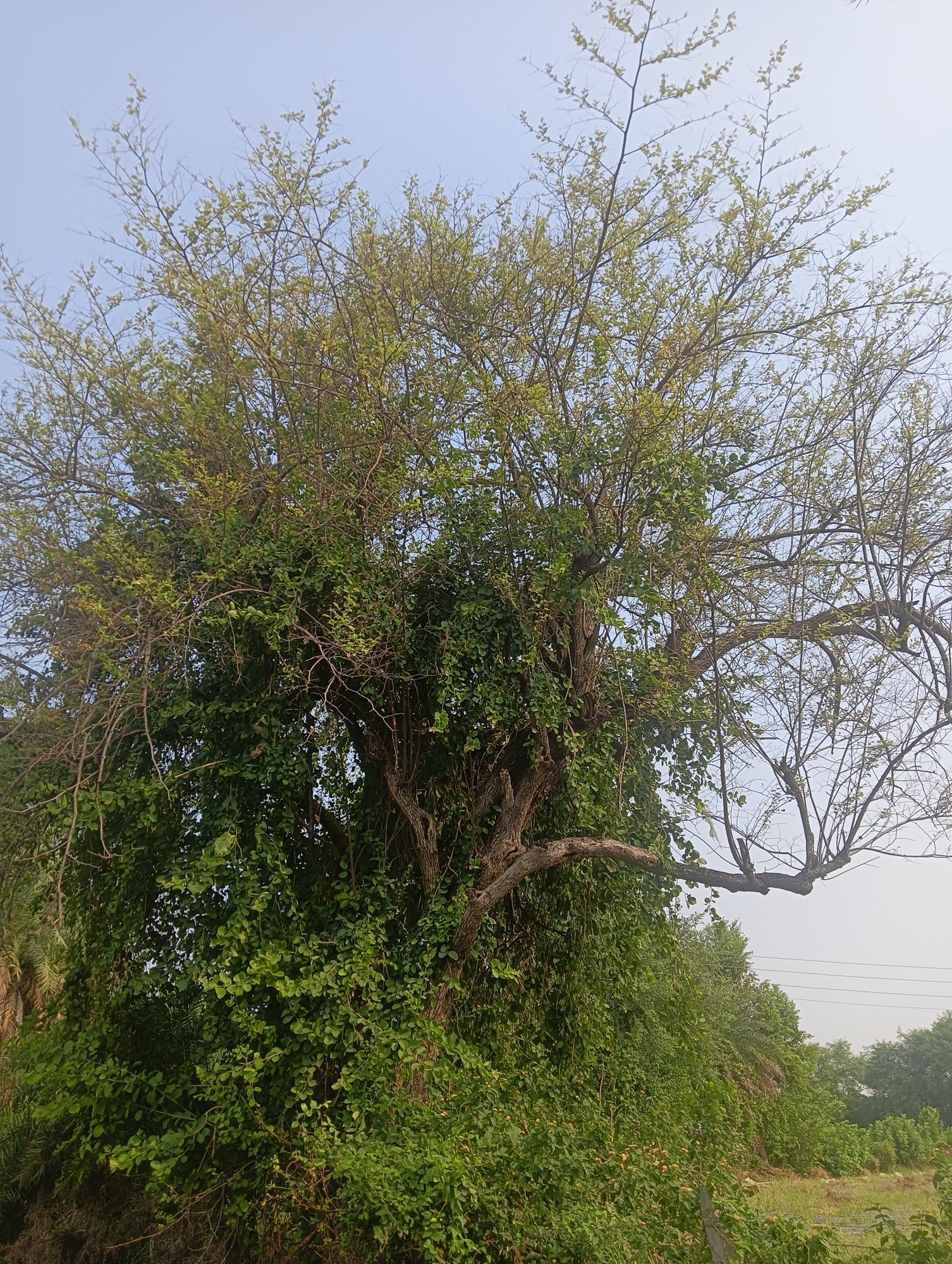 Bidara
Ziziphus mauritiana
English: Indian jujube, Ber
Bidara is the Indian jujube, a thorny tree whose small fruits are eaten and whose leaves are eaten as a vegetable in Indonesia. It is native to Peninsular Malaysia.
Rituals & CeremonyCulinary
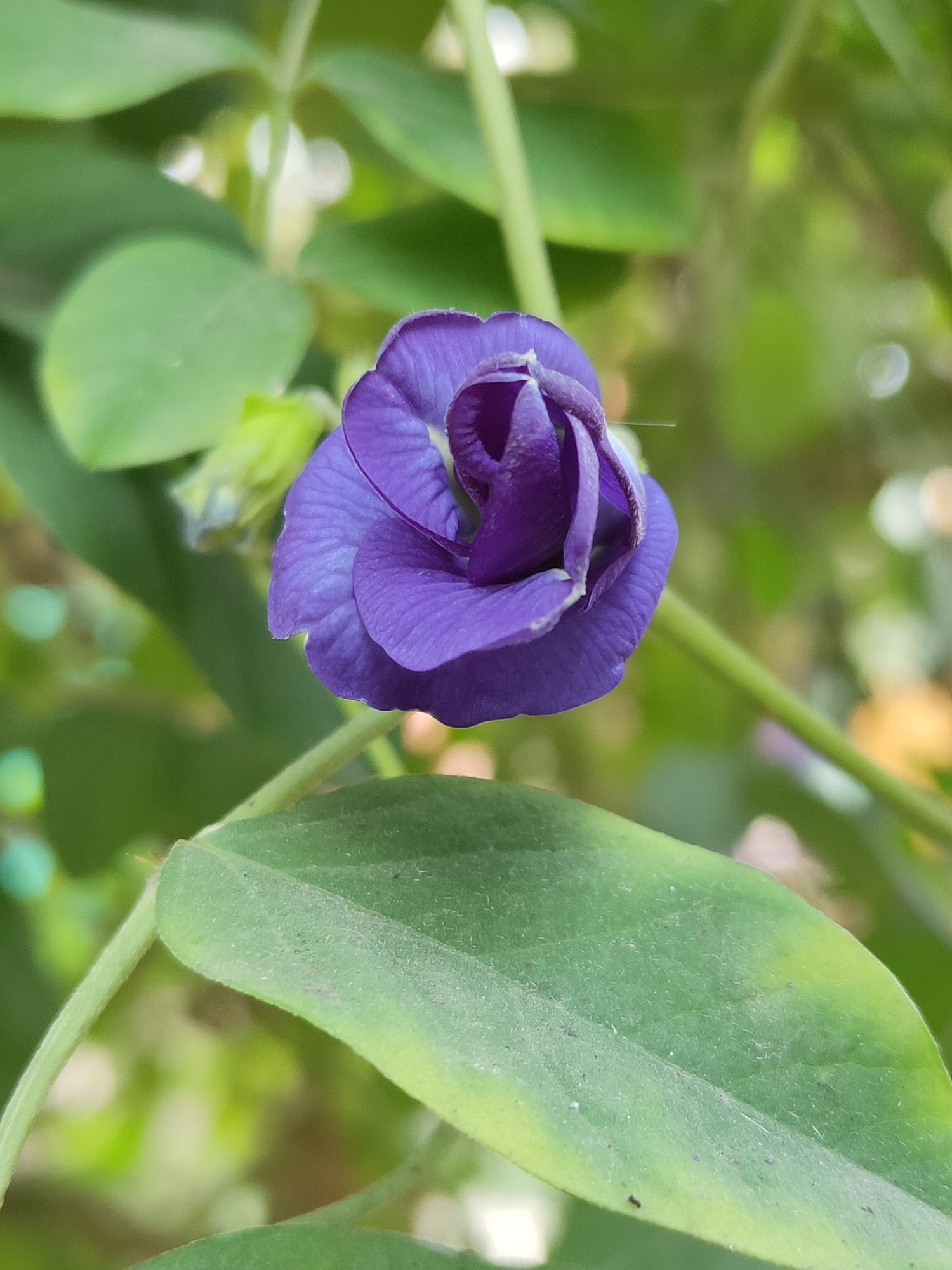 Bunga telang
Clitoria ternatea
English: Butterfly pea, Blue pea
Bunga telang, the butterfly pea, is a climbing legume whose deep blue flowers colour rice and kuih. The colour comes from anthocyanins that turn purple when acid is added.
CulinaryBeauty & Skin
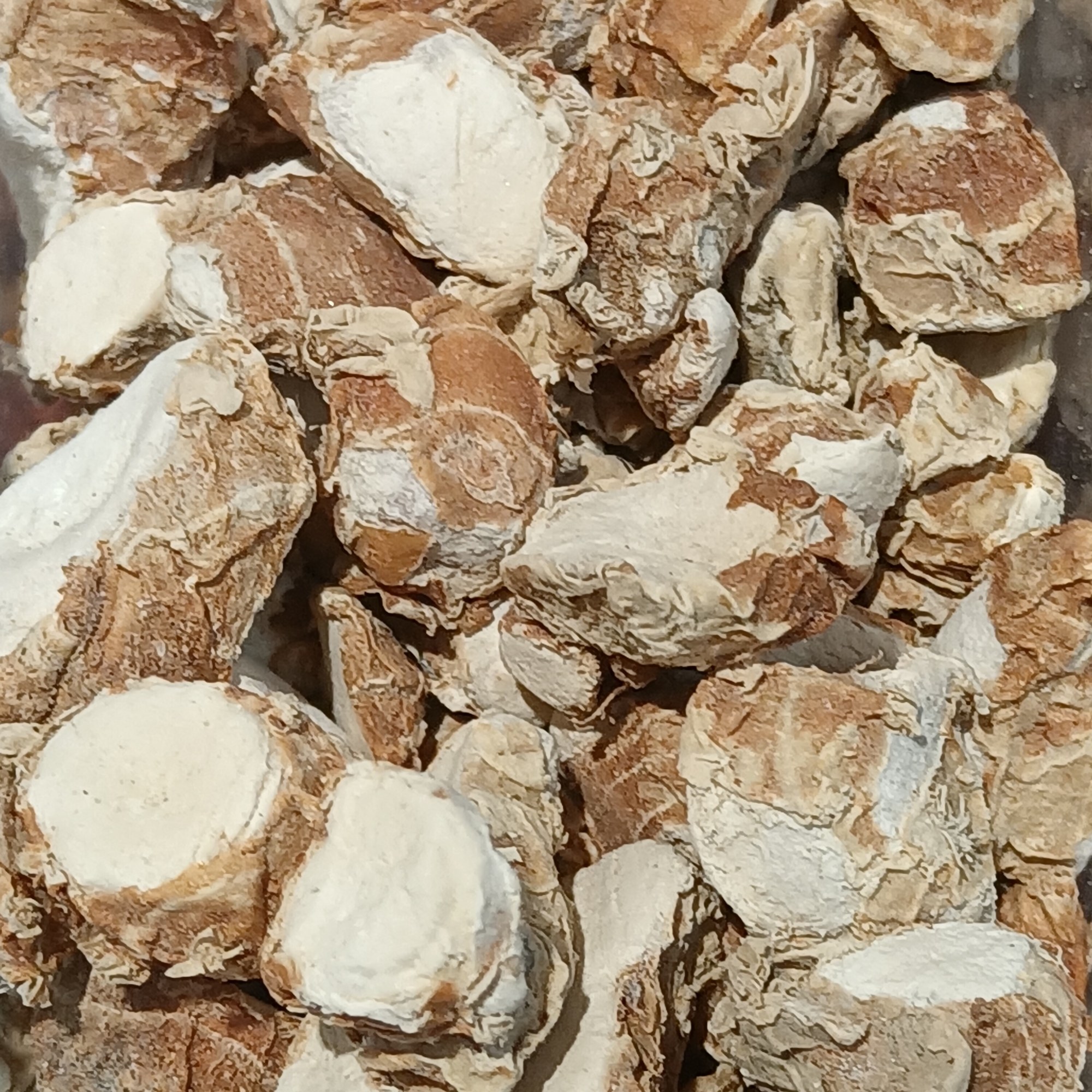 CekurC
Kaempferia galanga
English: Aromatic ginger, Sand ginger
Cekur's use in balms and poultices rests on a deep traditional record and a genuinely interesting laboratory literature around ethyl p-methoxycinnamate; no peer-reviewed human trial of a topical cekur preparation could be verified, so the entry stays at C.
Health (traditional wellness)CulinaryComfort & Relaxation
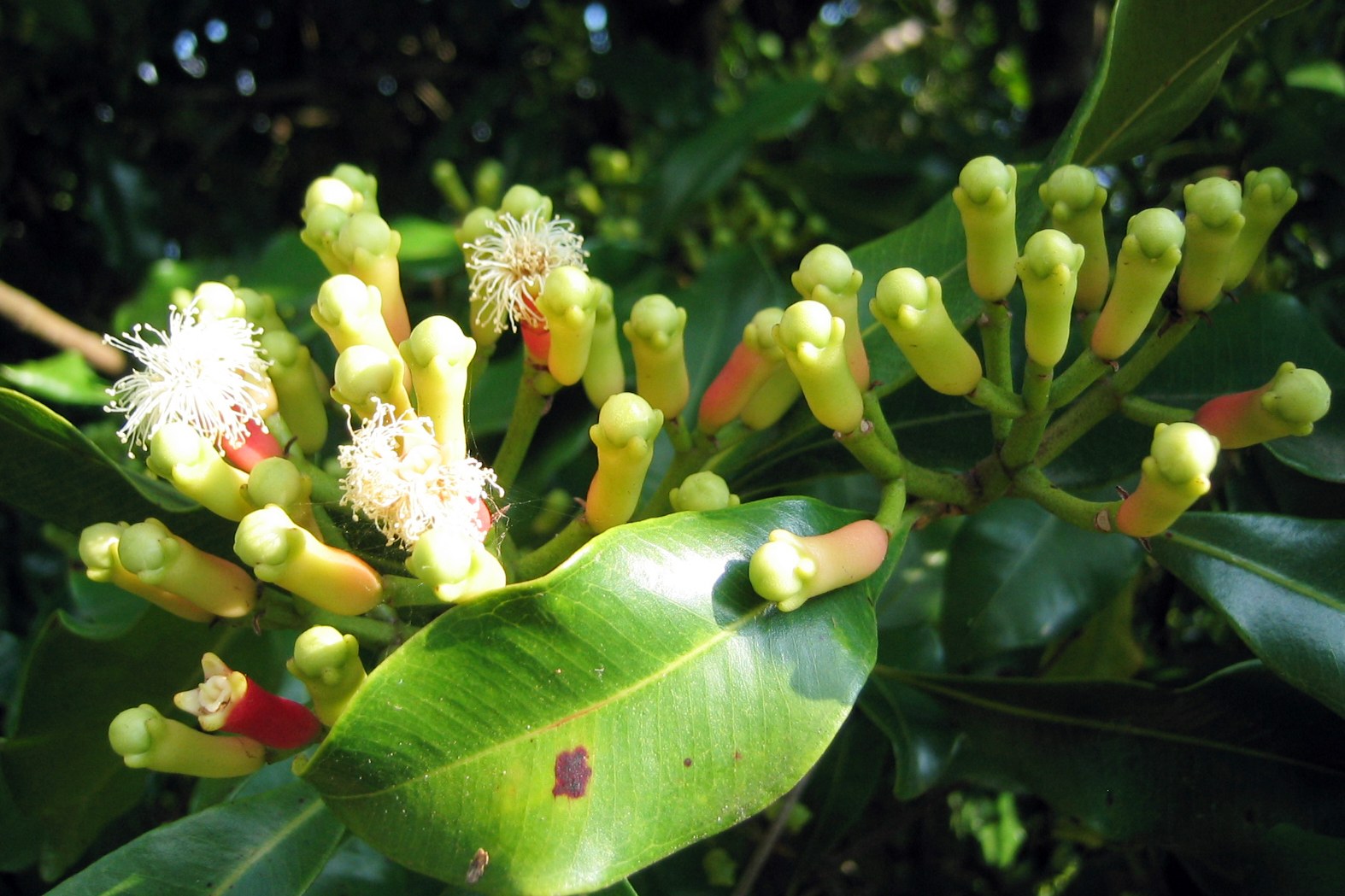 Cengkih
Syzygium aromaticum
English: Clove
Cengkih is the clove, the dried flower bud of a tree native only to Maluku. It is a traditional spice long used for flavouring and preserving food.
Spices & TradeCulinaryScent & Aromatics
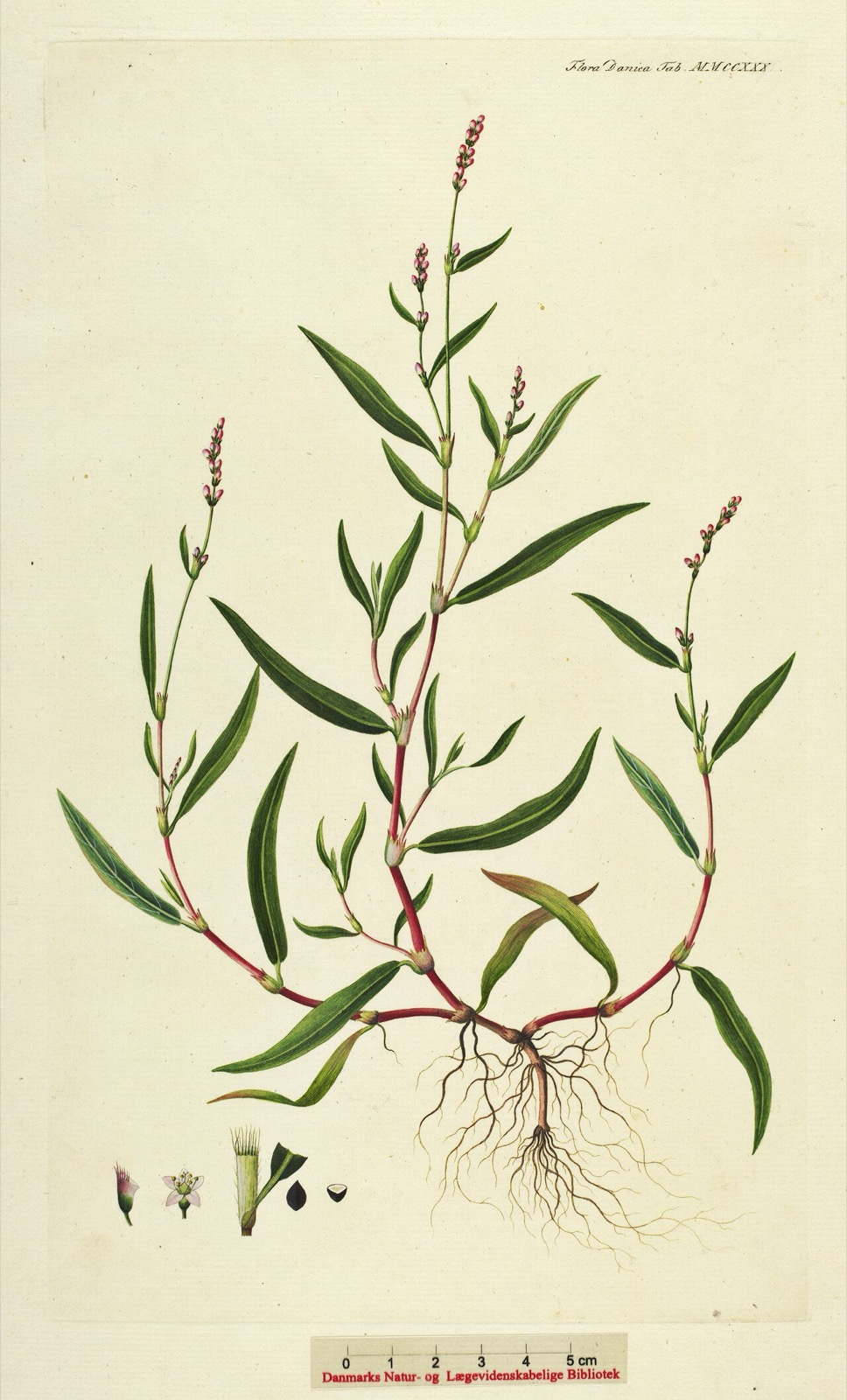 Daun kesum
Persicaria minor
English: Vietnamese coriander, Kesum
Daun kesum is the laksa leaf, a peppery, aromatic herb that is essential to Malay laksa and eaten raw as ulam. In the Malaysian literature it is Persicaria minor (Polygonum minus); the closely similar Persicaria odorata is sold under the same name.
Culinary
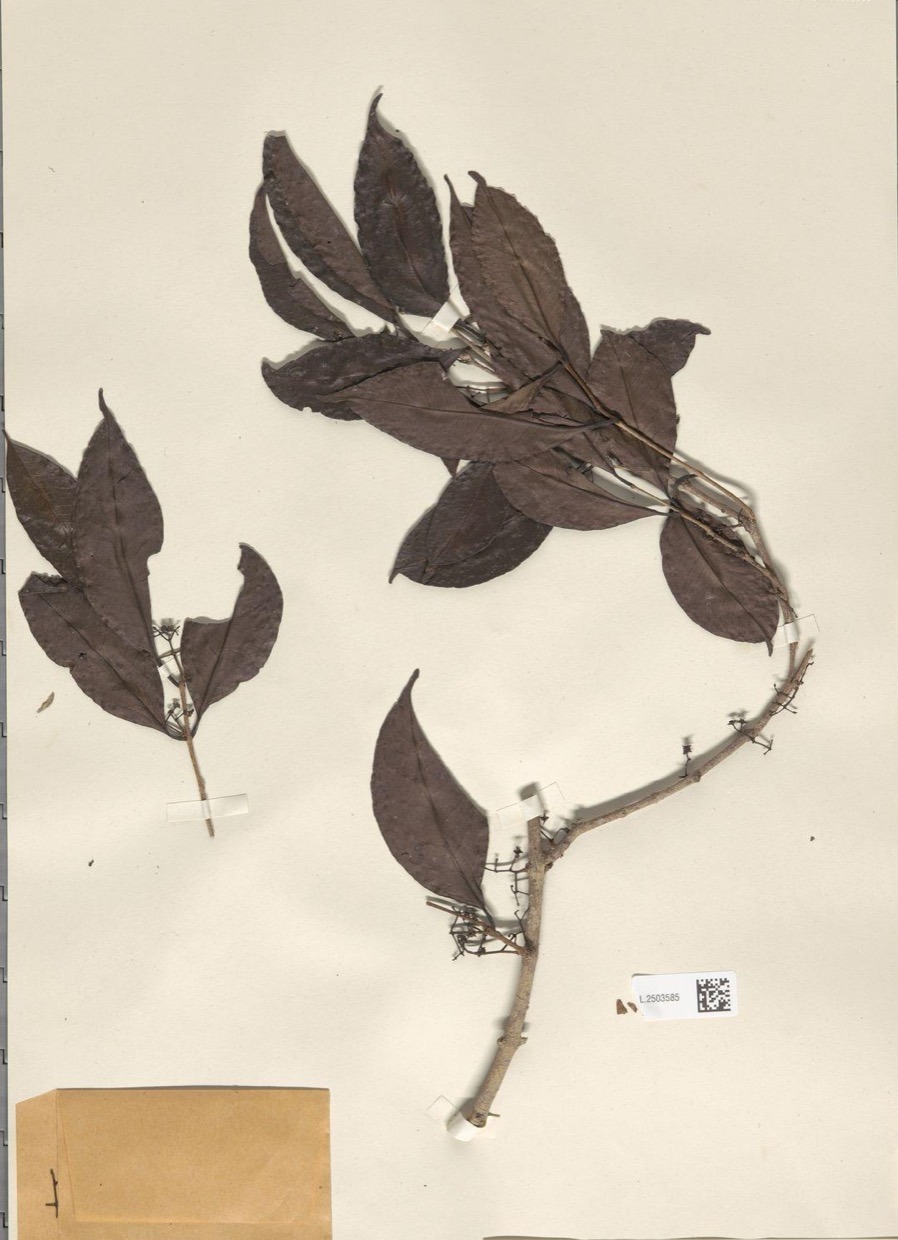 Daun salam
Syzygium polyanthum
English: Indonesian bay leaf, Salam leaf
Daun salam is the aromatic leaf of a native Syzygium tree, widely used in Indonesian and Malaysian cooking. In Malaysia it is also called serai kayu.
Culinary
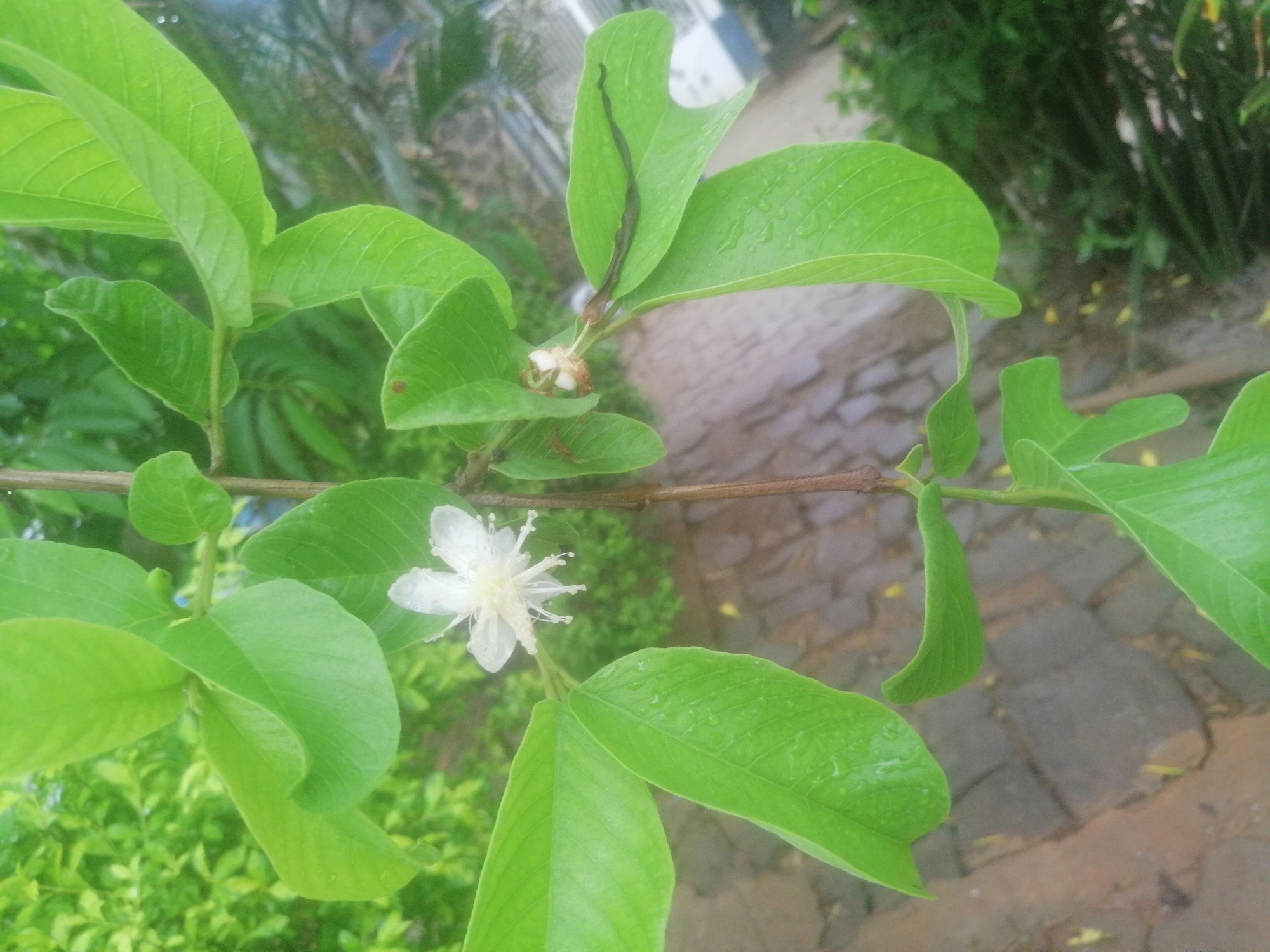 Jambu batuC
Psidium guajava
English: Guava
Guava-leaf washes are a documented Malay external remedy, and the modern literature offers a mouse model of eczema-like skin plus human-keratinocyte mechanism work, but no clinical trial of a topical guava-leaf preparation on irritated human skin has been published.
Health (traditional wellness)Culinary
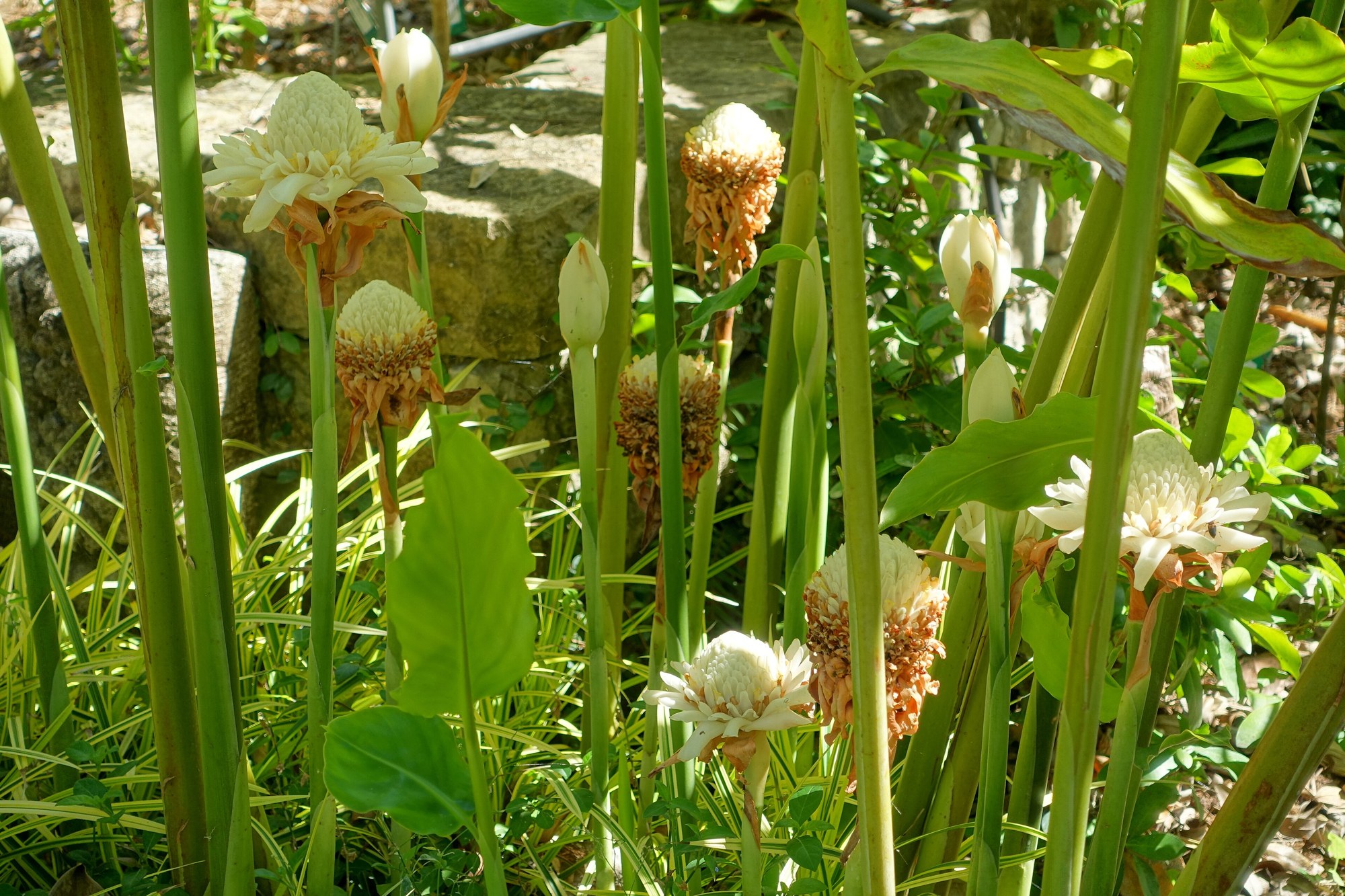 Kantan
Etlingera elatior
English: Torch ginger
Kantan, torch ginger, is a tall ginger whose pink flower buds are used across Southeast Asia in cooking and as a cut flower. It is native from peninsular Thailand to western Malesia.
CulinaryScent & Aromatics
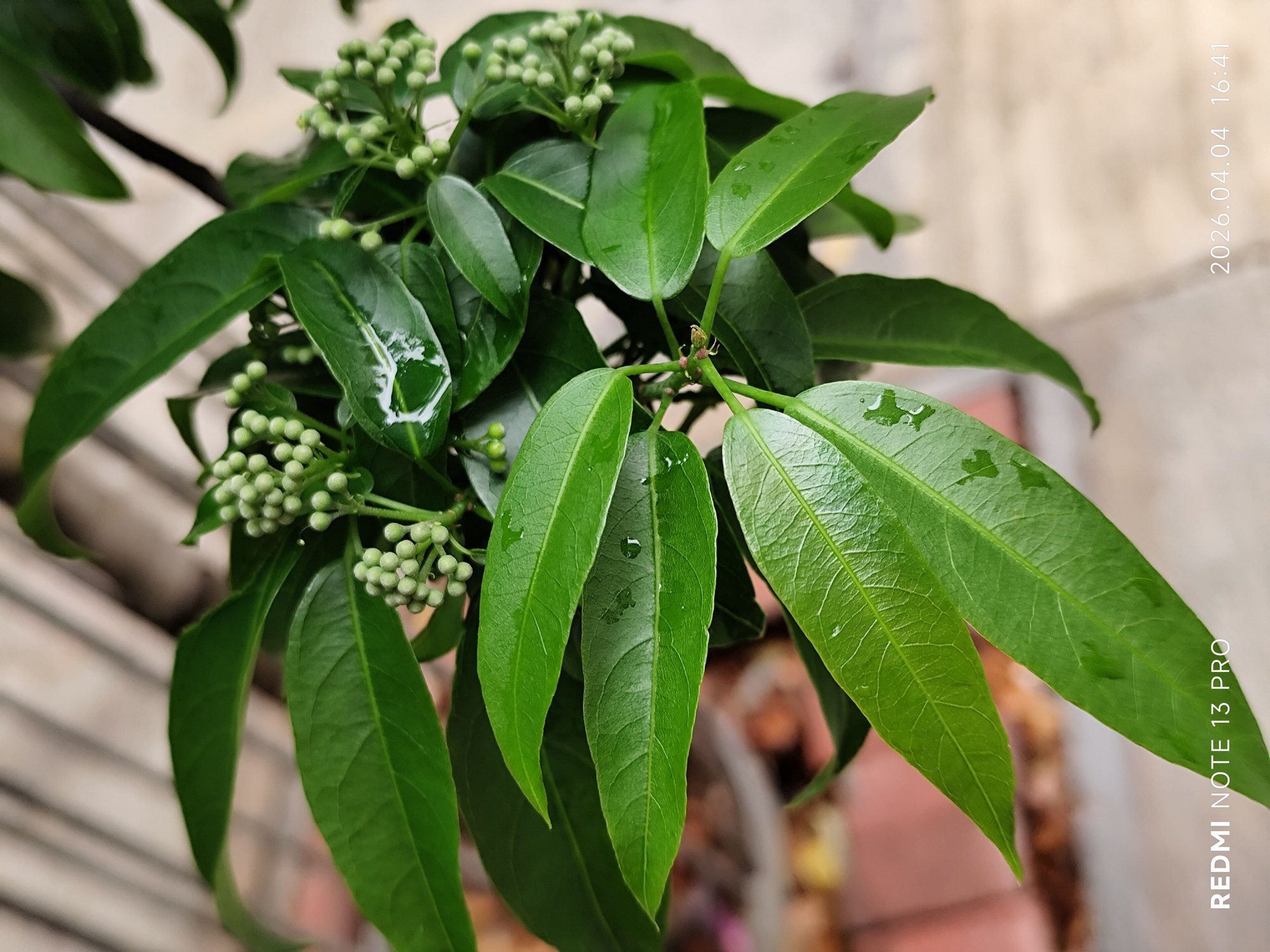 Kayu manis
Cinnamomum burmanni
English: Indonesian cinnamon, Padang cassia
Kayu manis here is Cinnamomum burmanni, the Indonesian cinnamon, a tree native to Sumatra, Java, Borneo and neighbouring islands. Its bark is used as a spice.
Spices & TradeCulinaryScent & Aromatics
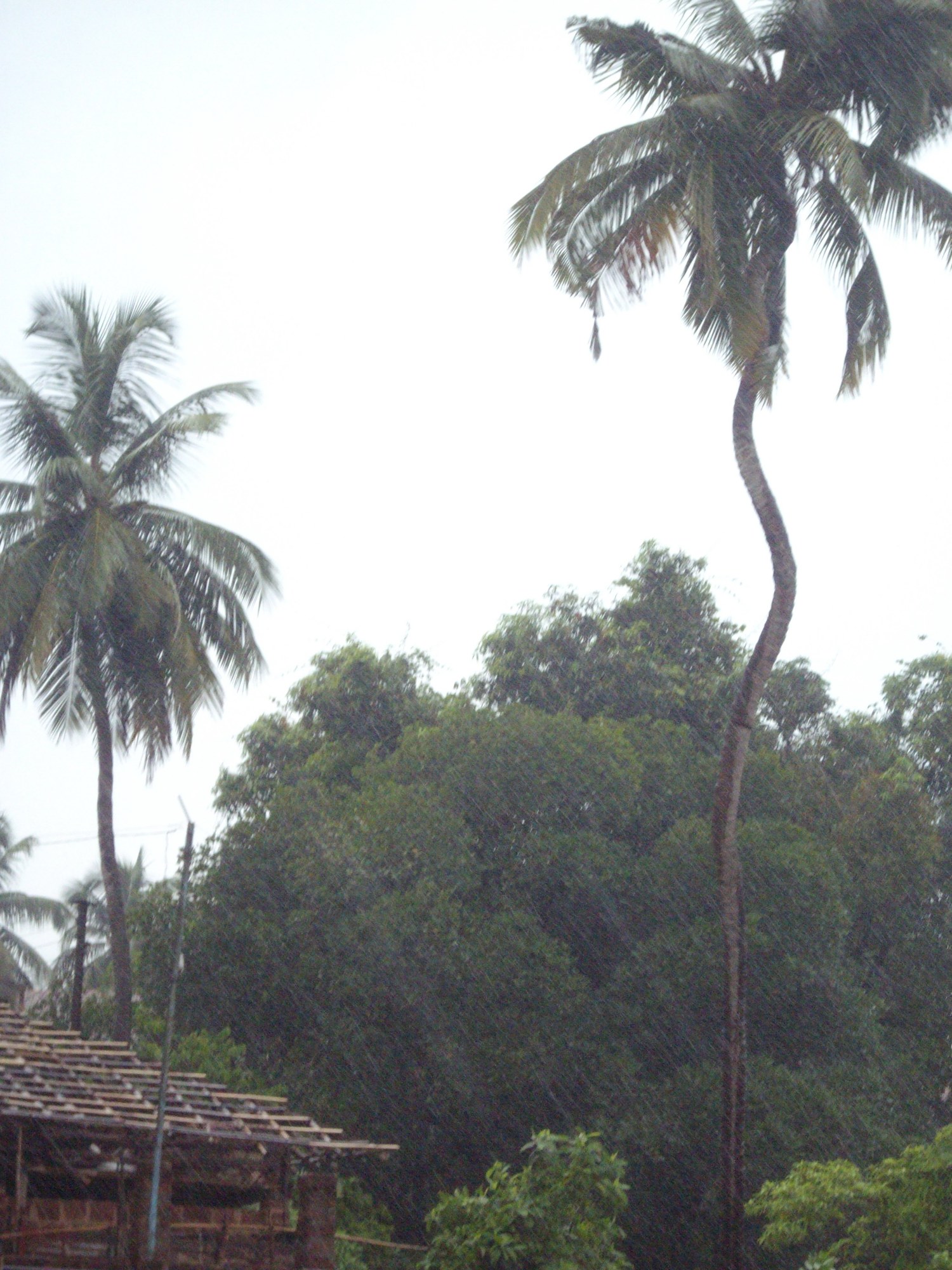 Kelapa
Cocos nucifera
English: Coconut
Kelapa, the coconut palm, gives the Nusantara its santan and its cooking oil. POWO gives its native range as central Malesia to the south-west Pacific.
CulinaryBeauty & SkinRituals & Ceremony
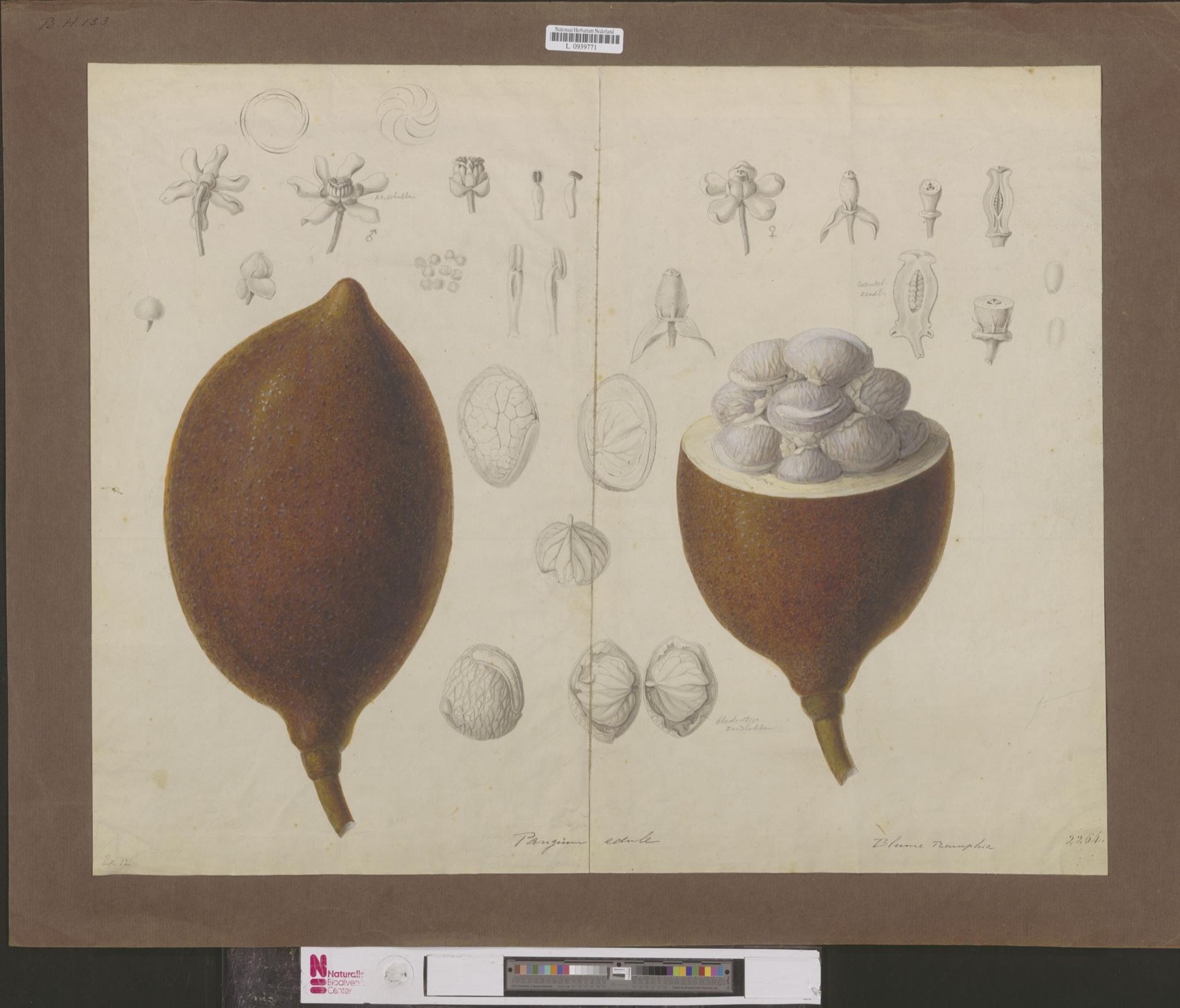 Kepayang
Pangium edule
English: Football fruit, Pangi
Kepayang is the tree behind buah keluak, the black seed used as a spice in Southeast Asian cooking. The raw seed is poisonous and becomes edible only after processing.
Culinary
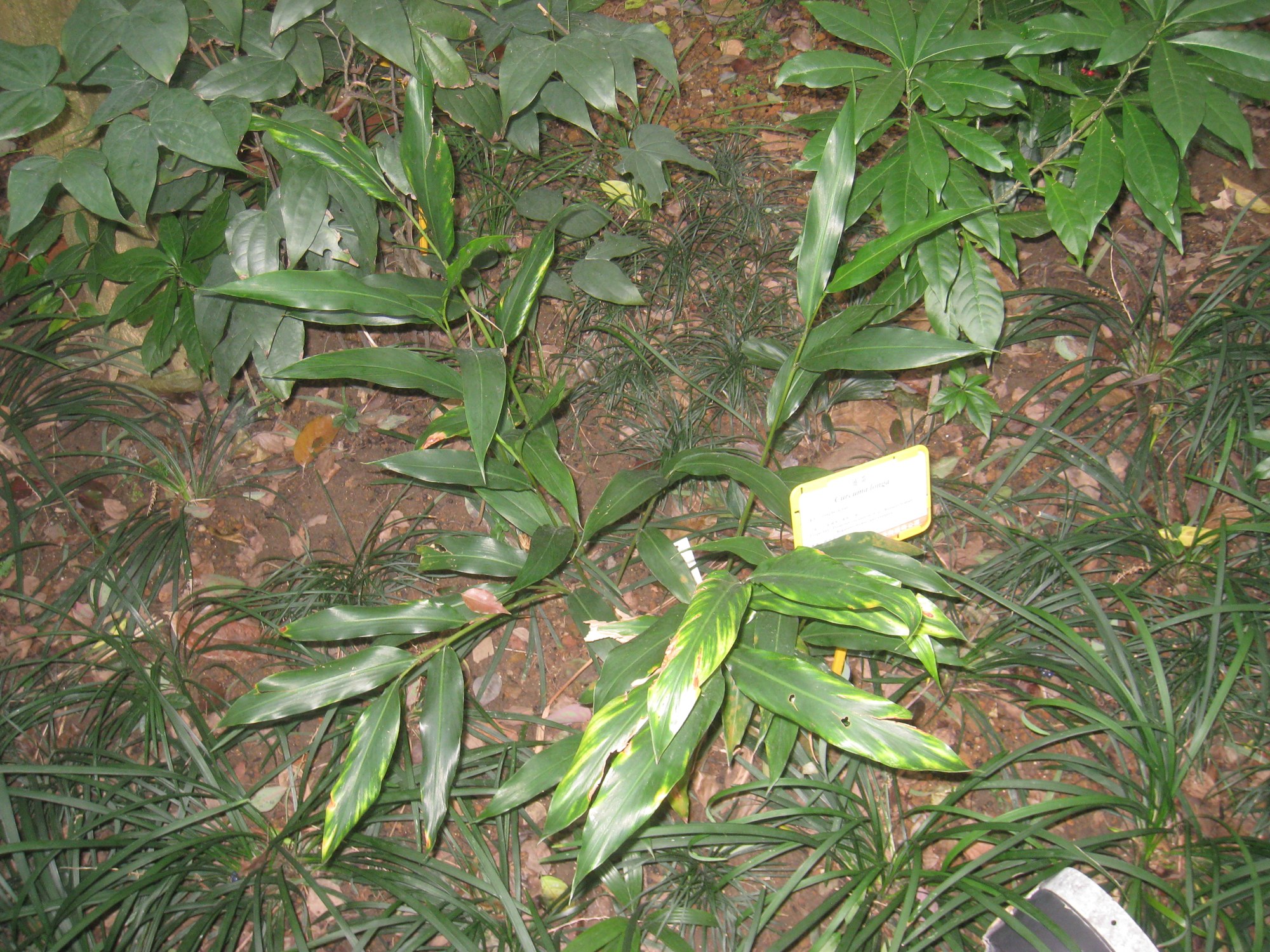 KunyitB
Curcuma longa
English: Turmeric
Oral standardised turmeric extract carries limited clinical evidence in knee osteoarthritis (two randomised trials and a 2016 meta-analysis) [4, 5, 6], but every trial used oral extract at gram doses, not the topical warming pastes of Malay tradition, whose efficacy remains untested.
Health (traditional wellness)CulinaryBeauty & Skin
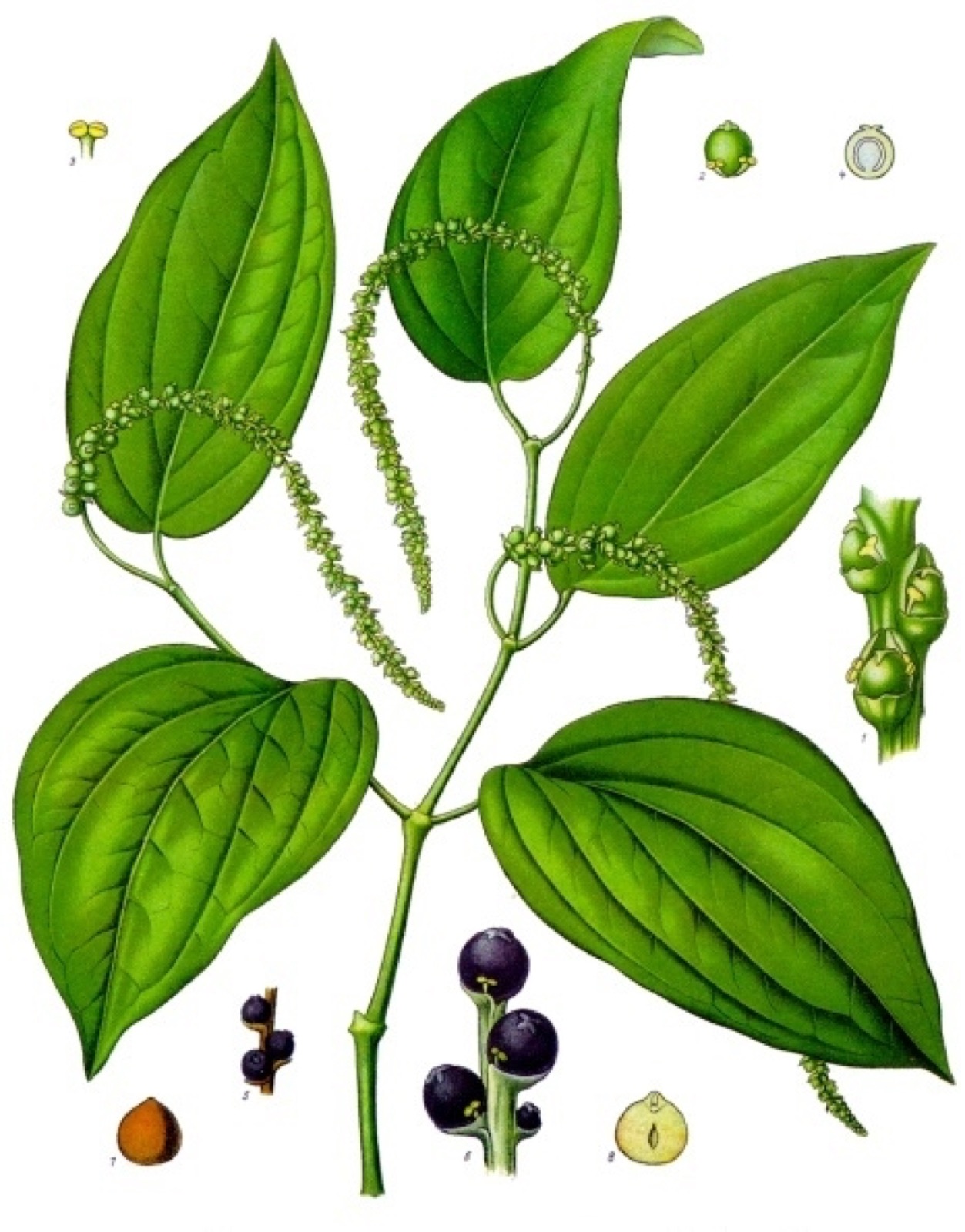 Lada
Piper nigrum
English: Black pepper, White pepper
Lada is pepper, the climbing vine whose fruit gives black and white peppercorns. Native to Sri Lanka, it is one of the most widely used spices in the world.
Spices & TradeCulinary
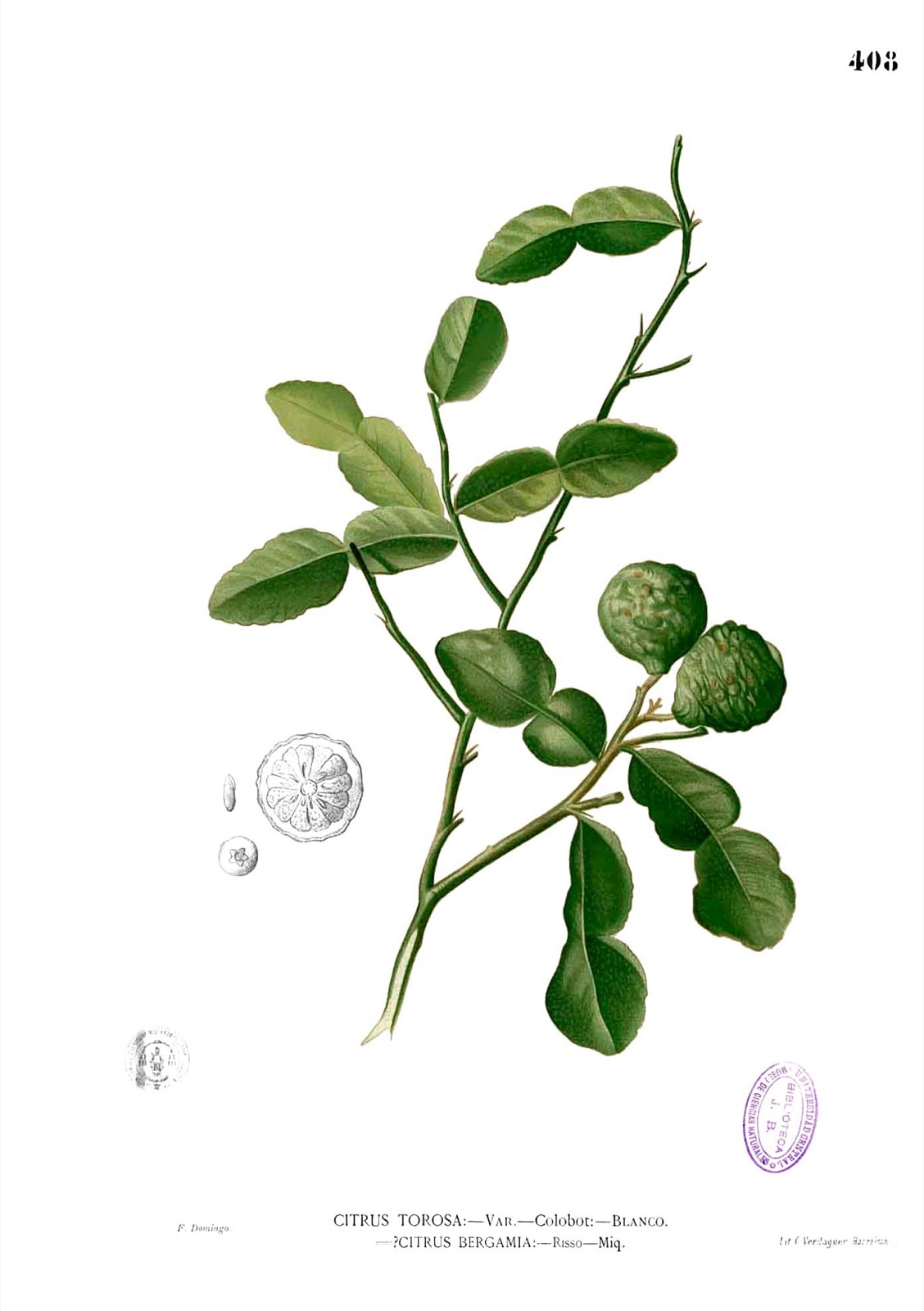 Limau purut
Citrus hystrix
English: Makrut lime, Kaffir lime
Limau purut is the knobbly lime whose leaves and fragrant rind are a defining flavour of Malay and Indonesian cooking. It is native across most of the Malay archipelago.
CulinaryScent & Aromatics
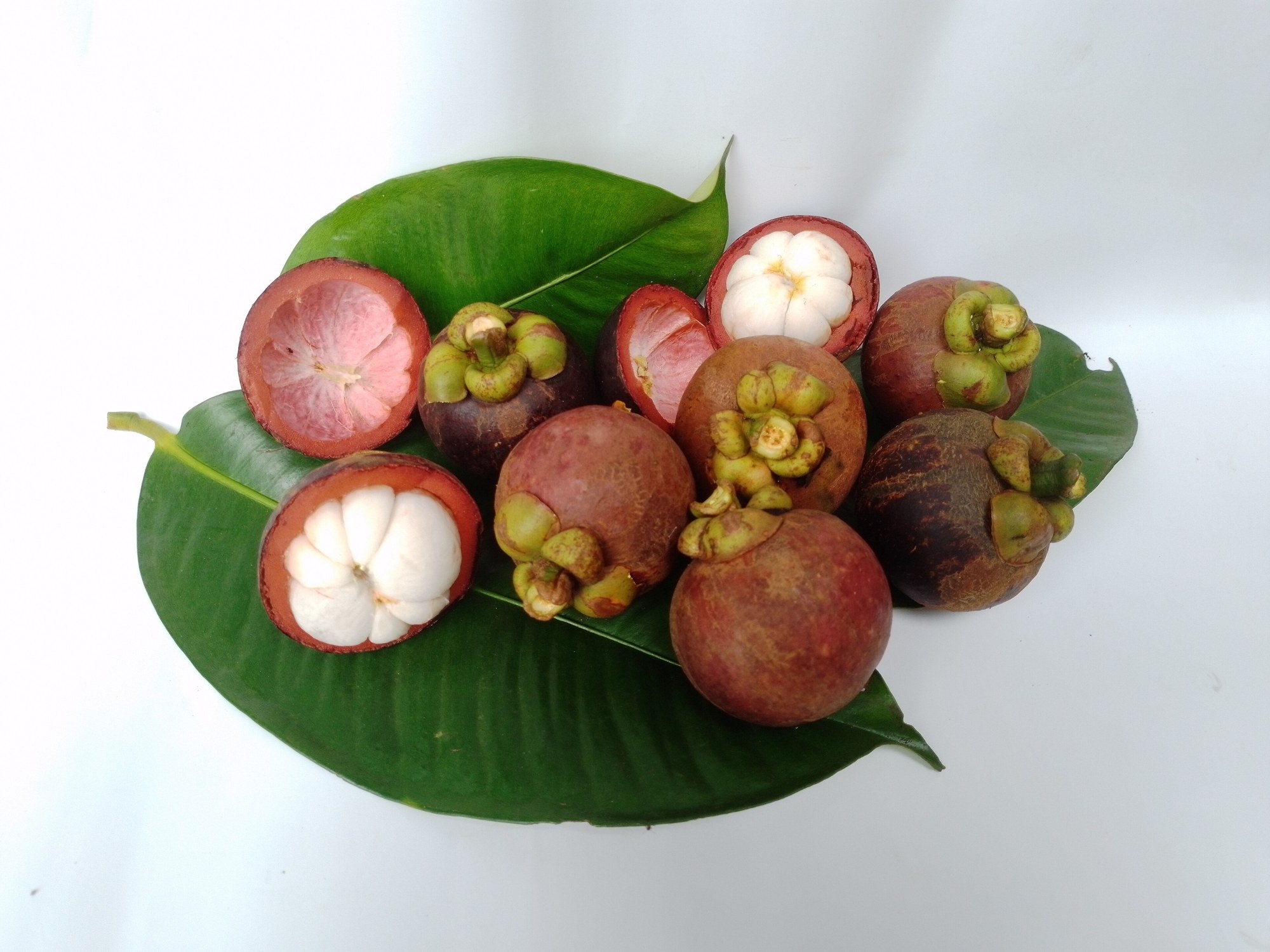 Manggis
Garcinia mangostana
English: Mangosteen
Manggis, the mangosteen, has sweet-sour white segments inside a thick purple rind. POWO gives its native range as Peninsular Malaysia and Borneo.
Culinary
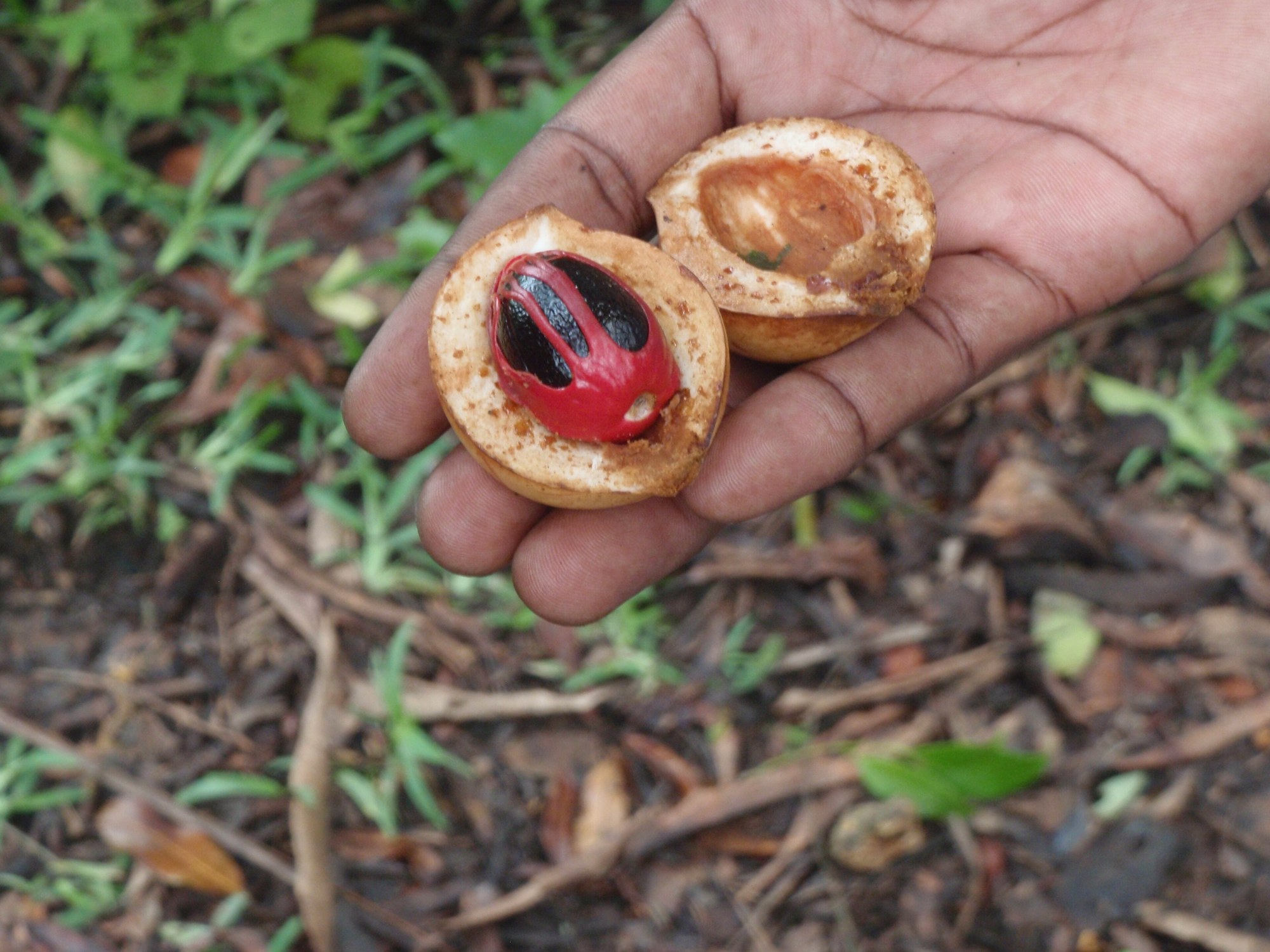 Pala
Myristica fragrans
English: Nutmeg, Mace
Pala is the nutmeg tree of the Banda Islands in Maluku, source of two spices: the seed, nutmeg, and its red aril, mace.
Spices & TradeCulinaryScent & Aromatics
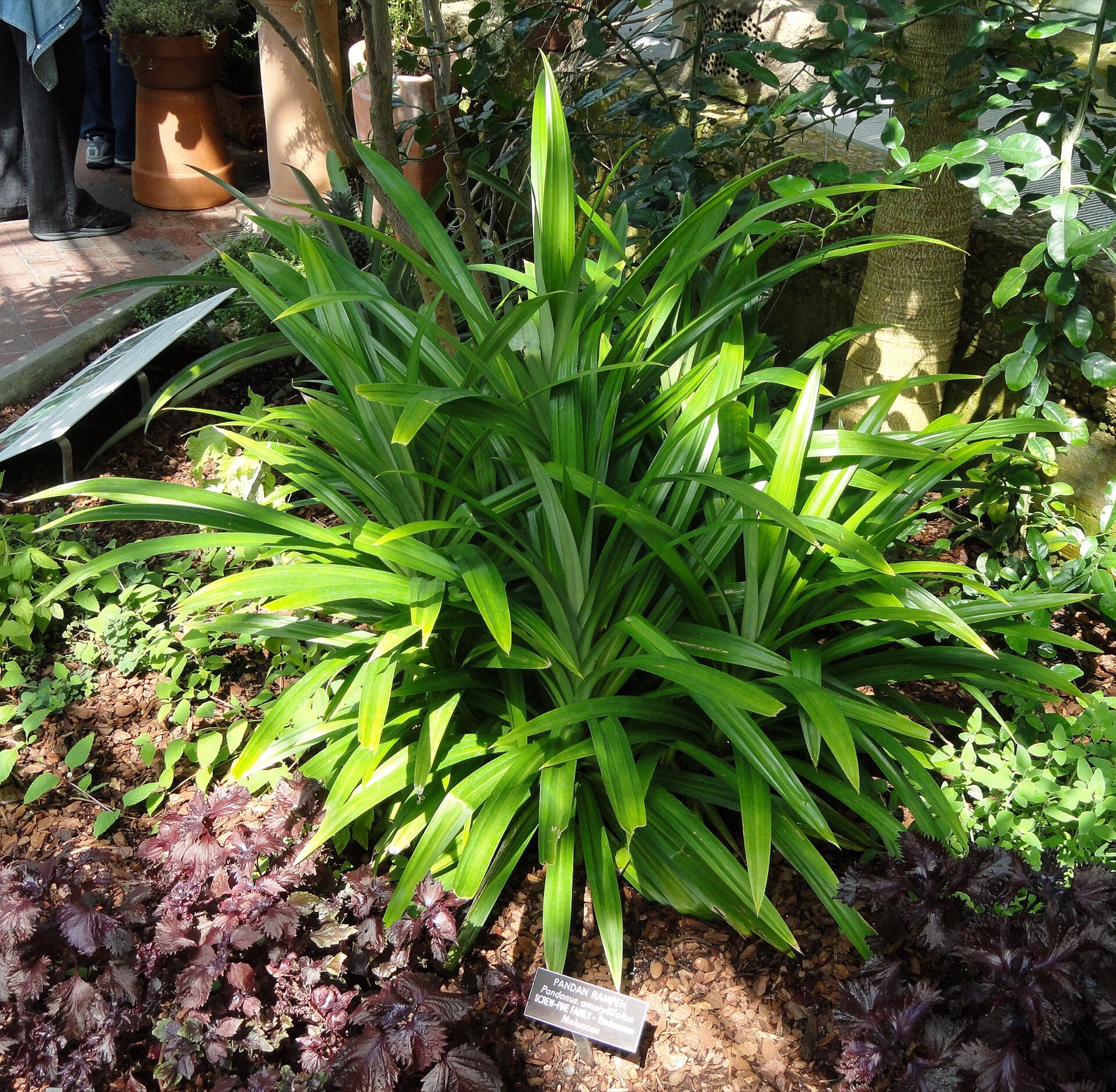 Pandan
us amaryllifolius
English: Pandan, Fragrant screwpine
Pandan is the fragrant screwpine whose long green leaves flavour and colour rice, cakes and drinks across the region. The plant is native to Maluku and spread through cultivation.
CulinaryScent & Aromatics
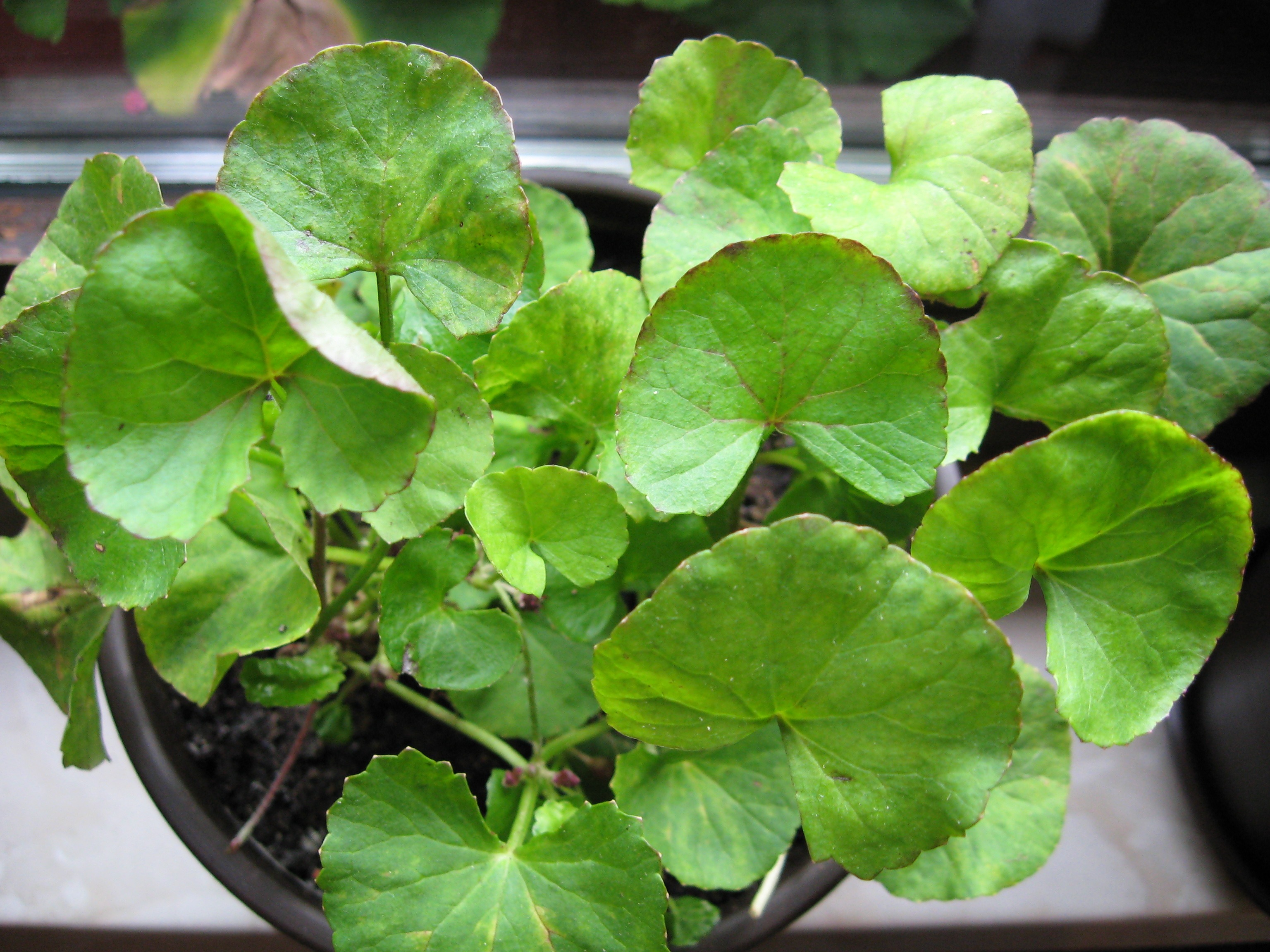 PegagaC
Centella asiatica
English: Asiatic pennywort, Gotu kola
Pegaga's reputation in skin recovery rests on laboratory and animal work on its triterpenes, especially asiaticoside; the human studies that exist are small, mostly unblinded, and largely concern oral extract in clinical wound settings rather than the traditional topical use.
Health (traditional wellness)CulinaryBeauty & Skin
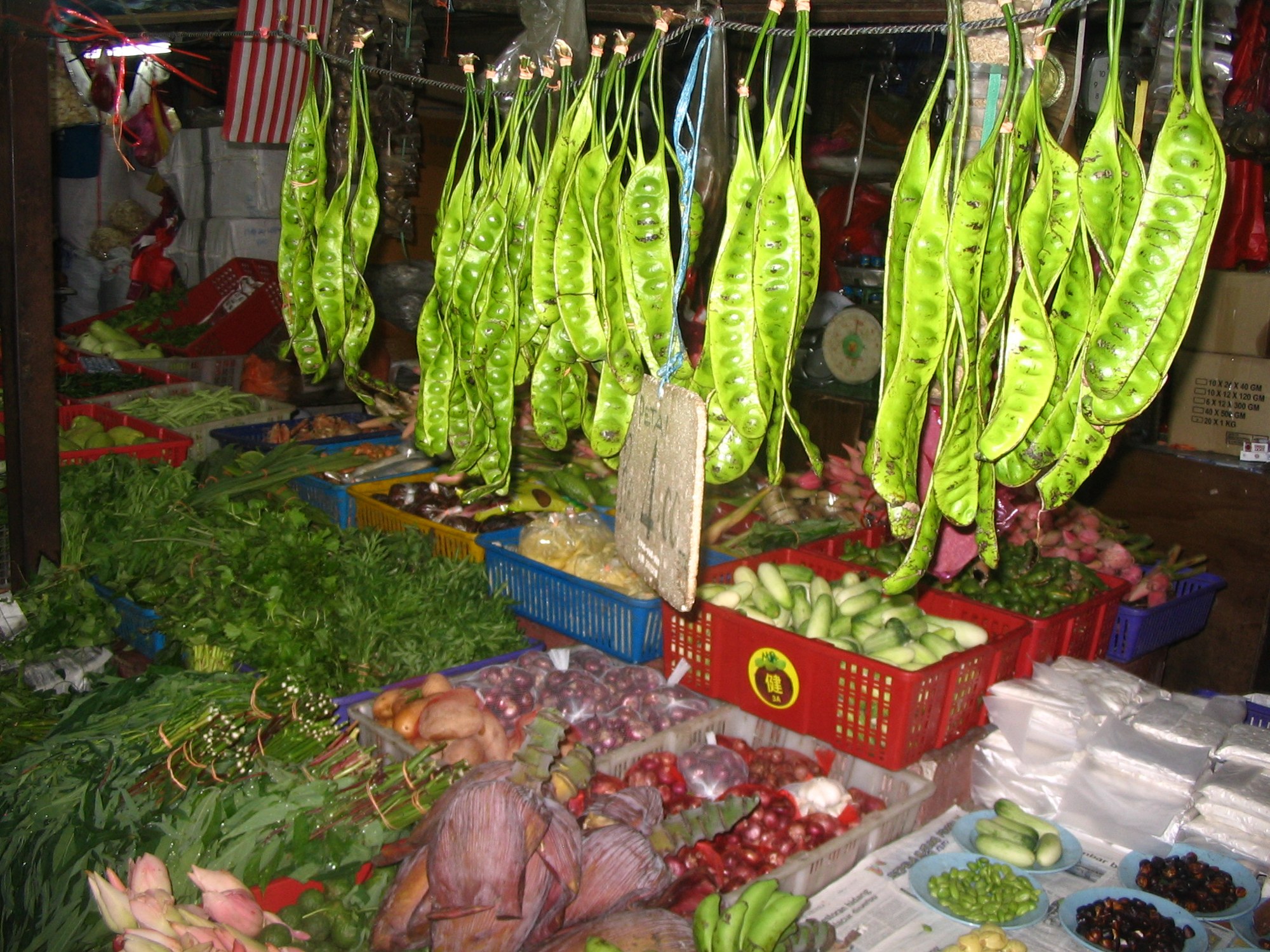 Petai
Parkia speciosa
English: Stink bean, Bitter bean
Petai is the native legume tree whose long pods hold bright green, pungent seeds used in Southeast Asian cooking. It grows from Thailand through western and central Malesia.
Culinary
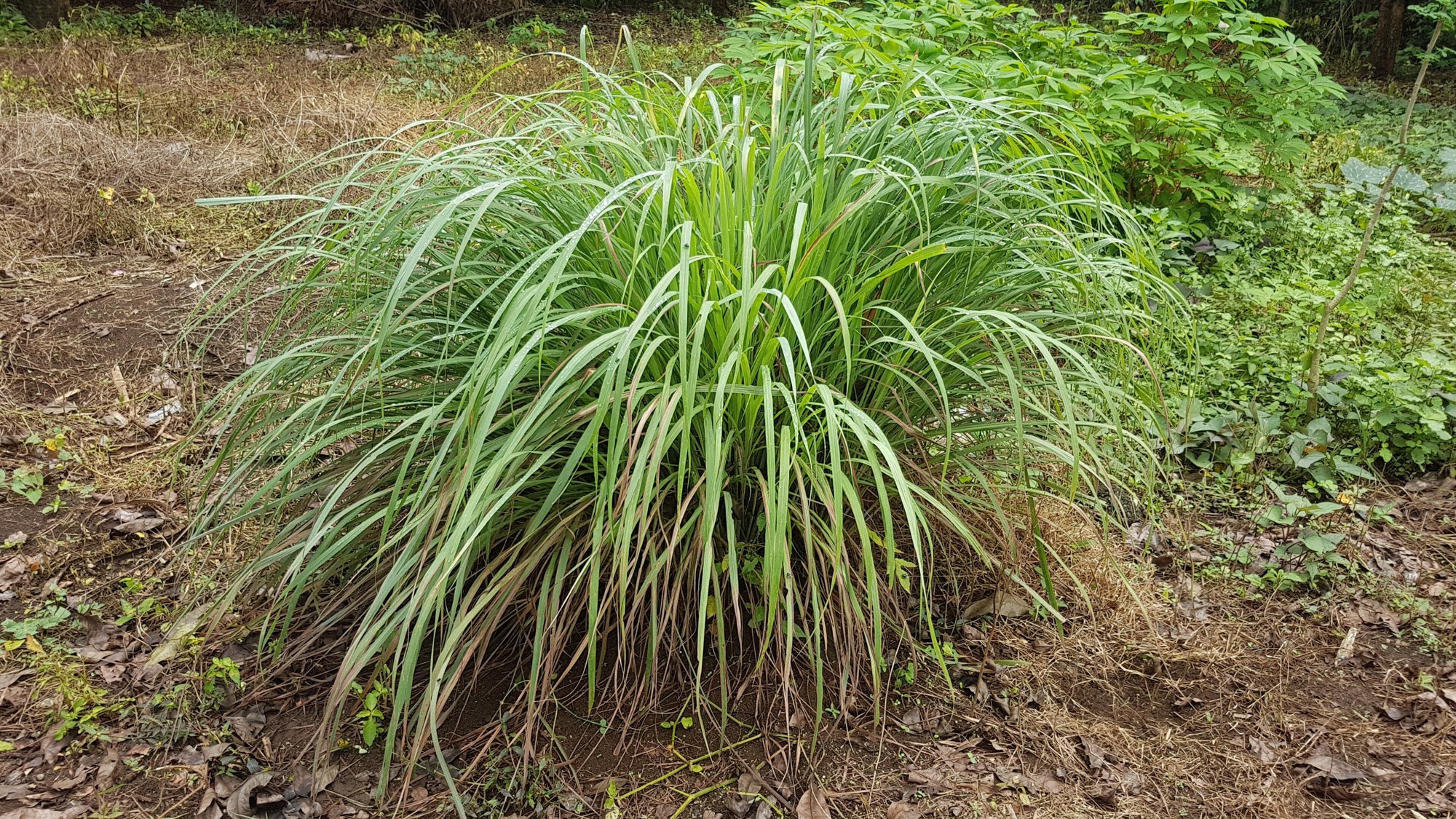 Serai
Cymbopogon citratus
English: Lemongrass
Serai is lemongrass, the citrus-scented grass used in cooking across the region. It came to the Nusantara from southern India and Sri Lanka.
CulinaryScent & Aromatics
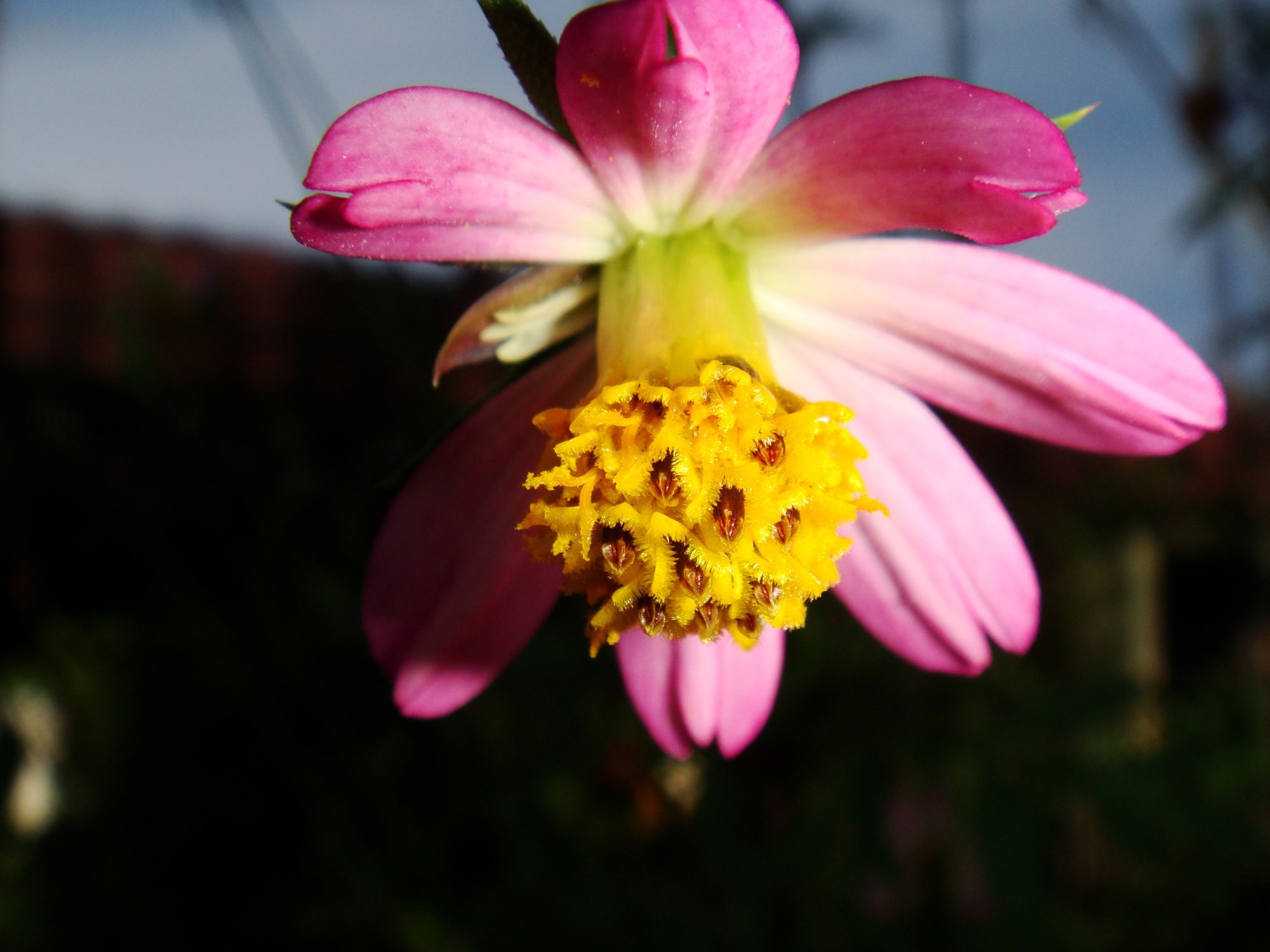 Ulam raja
Cosmos caudatus
English: King's salad
Ulam raja, the king's salad, is a Cosmos whose aromatic young leaves are eaten as a vegetable in Southeast Asia. It is originally from tropical America.
Culinary