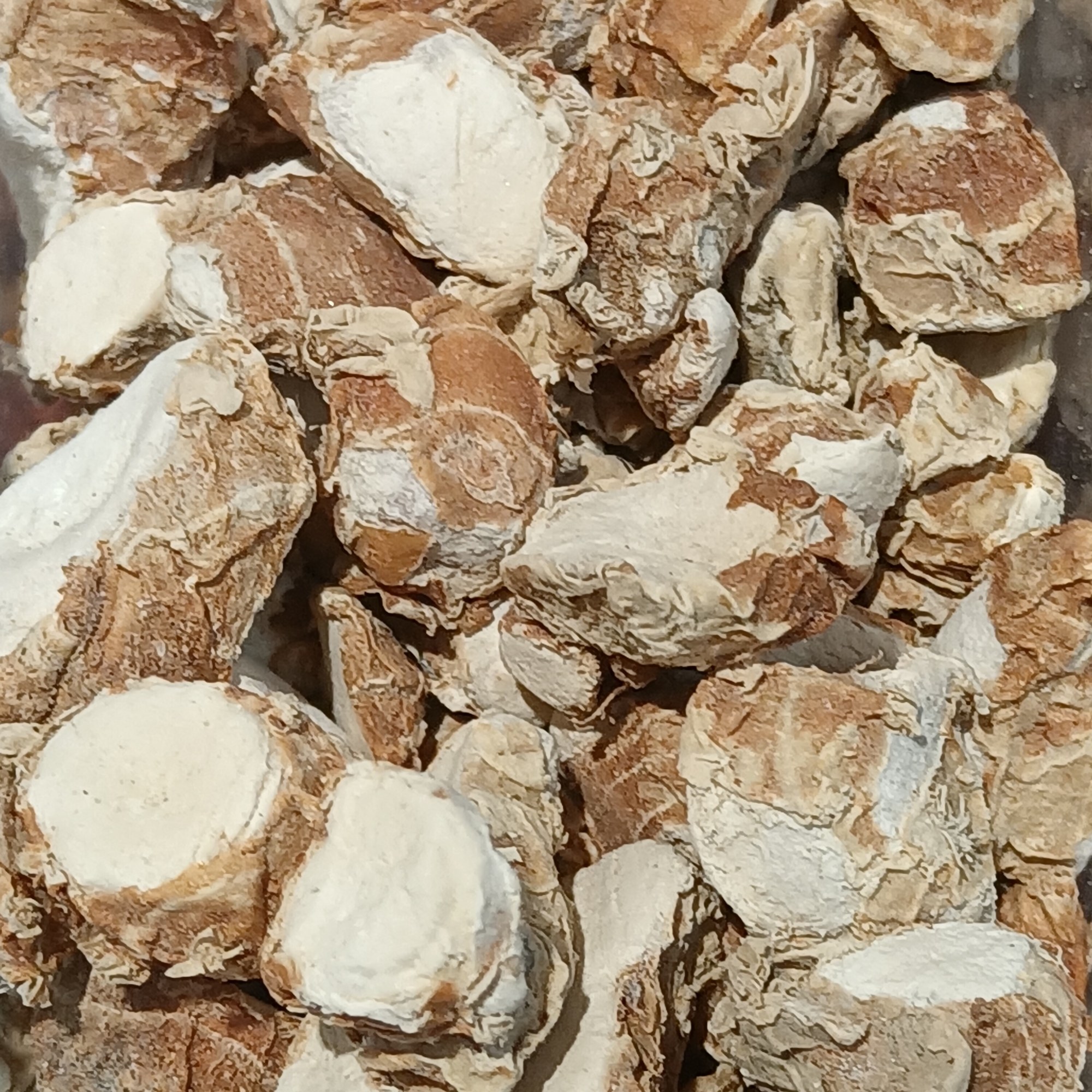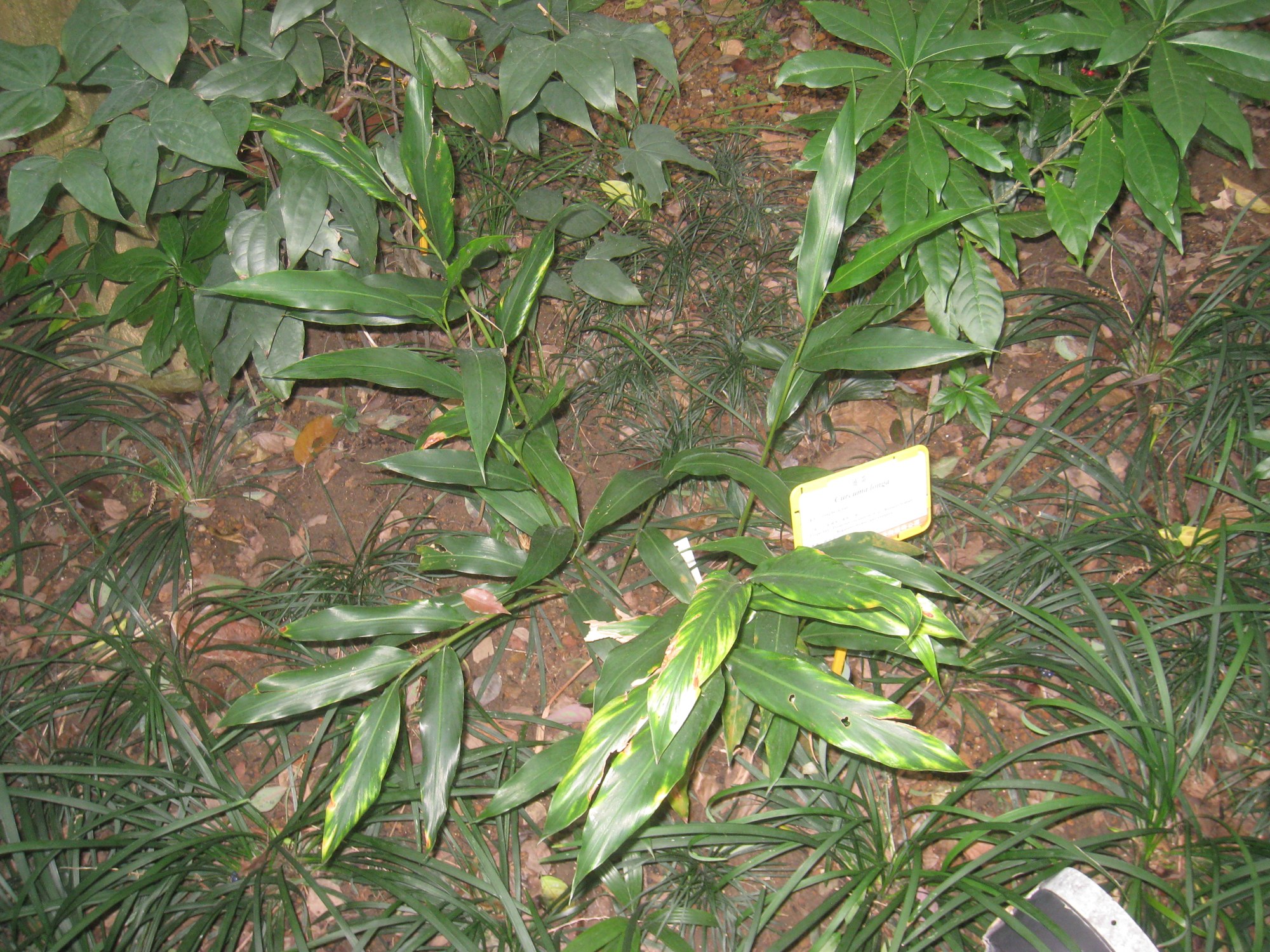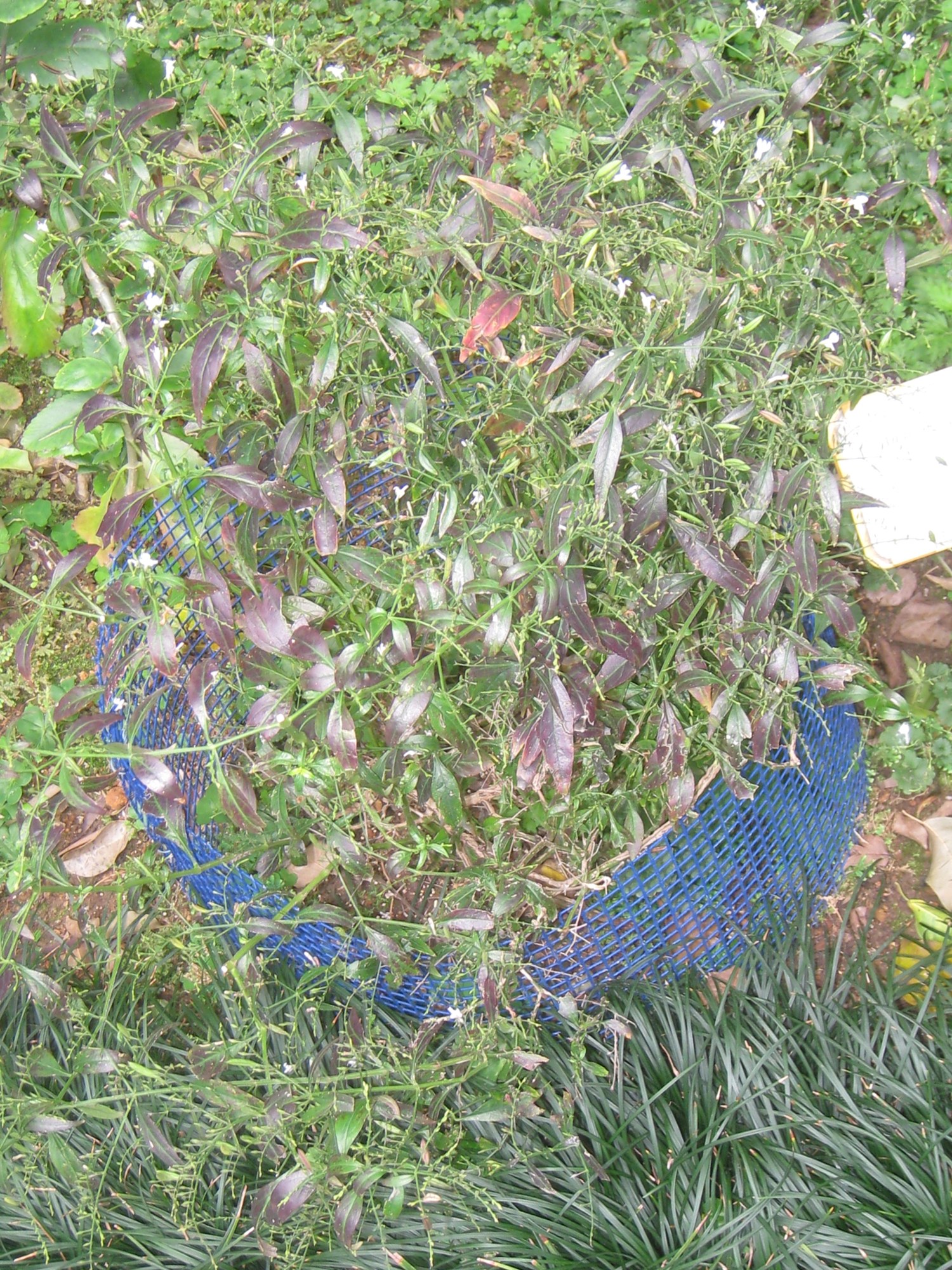
Bonglai
Zingiber purpureum
ENCassumunar ginger, Plai
- MSBonglai
- MSMengkulai
- JVBangle
- IDBangle
- ENCassumunar ginger
Synonym: Zingiber cassumunar Roxb.
Family: Zingiberaceae
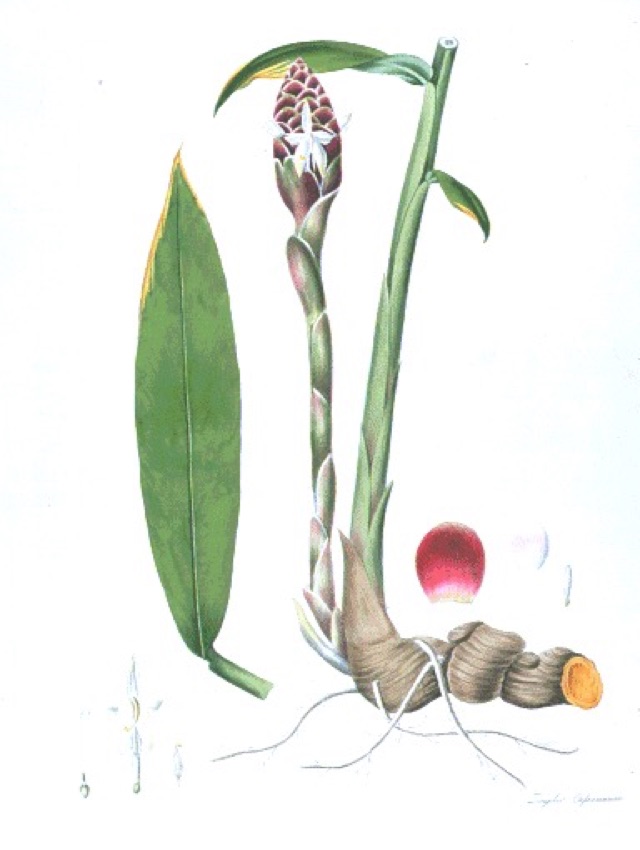
Topical preparations of bonglai rhizome carry limited clinical evidence for minor muscle and joint complaints: one double-blind trial of a plai-and-ginger combination gel in knee osteoarthritis and one randomised trial of a plai cream after eccentric exercise, both small, both Thai, and neither independently replicated.
- Parts used
- Rhizome
- Native range
- Introduced or naturalised. Arunachal Pradesh to China (Yunnan) and Myanmar (POWO/WCVP).
- Habitat
- Garden
- Evidence grade
- B: Limited clinical evidence
Traditional and heritage uses
Bonglai (bangle in Javanese and Indonesian usage, plai in Thailand) is a
rhizome of the massage and confinement tradition rather than the kitchen.
In the Malay record it belongs above all to postpartum practice: heated
rubs and pastes worked into tired muscle during confinement, with bonglai
recorded among the frequently used species in surveys of Malay traditional
practitioners [1].
A Sarawak ethnography puts it at the centre rather than the margin. Working
with a traditional Malay midwife in Kuching, the study documents irup, the
postpartum decoction of the bidan's practice, and names bangley,
Zingiber cassumunar, as its first ingredient, recorded in tradition for
fever, aching muscle, appetite and wounds [2]. The confinement complex it
sits inside (bengkung binding, postnatal massage, the bertungku hot
compress, herbal baths and jamu) has been reviewed as an integrated
system [3].
The rhizome travels well across the archipelago's households: an
ethnobotanical survey in Sintang, West Kalimantan records it among the
most-used Zingiberaceae across Dayak Linoh, Malay and Javanese
communities, noting how each prepares it [4]. Parallel Thai and Indonesian
records keep the same rhizome in warmed preparations for the body after
labour and exertion [5].
The name-set is part of the record: bonglai and mengkulai are both current
in Malay, bangle across the Strait, and botanists now file the plant under Zingiber purpureum Roscoe. Zingiber cassumunar Roxb., the name most of the older literature uses, is its synonym, while Zingiber montanum is a separate mainland species [6].
What the evidence says
Human trials exist but are few, small, or not yet replicated.
What the grades mean- VIISystematic reviewGrade A
- VIClinical studiesGrade A–B
- VHuman observationalGrade B–C
- IVPreclinicalGrade C
- IIILaboratoryGrade C
- IIPhytochemicalGrade C
- ITraditional useGrade C
The ladder explains the grade; it never replaces it. Evidence for this plant reaches systematic review, which is why the entry is graded B.
Cautions and safety
Oral toxicity studies are reassuring: Koontongkaew and colleagues (2014)
found no treatment-related toxicity at a single 5,000 mg/kg dose in rats
and set a 270-day no-observed-adverse-effect level at 1,125 mg/kg/day [7].
Dermal safety data are thinner than the oral data. Patch-test before use;
do not apply to broken skin; the undiluted essential oil can irritate.
Data in pregnancy are limited: traditional postpartum use notwithstanding,
concentrated extracts deserve professional advice first.
This entry records documented traditional use. This is not medical advice; speak to a qualified practitioner.
Sources (15)
- Jamal JA, Abd. Ghafar Z, Husain K (2011). Medicinal plants used for postnatal care in Malay traditional medicine in the Peninsular Malaysia. Pharmacognosy Journal 3(24): 15–24. Source
- Han A-R, Kim H, Piao D, Jung C-H, Seo EK (2021). Phytochemicals and bioactivities of Zingiber cassumunar Roxb. Molecules 26(8): 2377. Source
- Taroeno, Brophy JJ, Zwaving JH (1991). Analysis of the essential oil of Zingiber cassumunar Roxb. from Indonesia. Flavour and Fragrance Journal 6(2): 161–163. Source
- Jeenapongsa R, Yoovathaworn K, Sriwatanakul KM, et al. (2003). Anti-inflammatory activity of (E)-1-(3,4-dimethoxyphenyl)butadiene from Zingiber cassumunar Roxb. Journal of Ethnopharmacology 87(2–3): 143–148. Source
- Niempoog S, Siriarchavatana P, Kajsongkram T (2012). The efficacy of Plygersic gel for use in the treatment of osteoarthritis of the knee. Journal of the Medical Association of Thailand 95(Suppl 10): S113–S119. Source
- Manimmanakorn N, Manimmanakorn A, Boobphachart D, Thuwakum W, Laupattarakasem W, Hamlin MJ (2016). Effects of Zingiber cassumunar (Plai cream) in the treatment of delayed onset muscle soreness. Journal of Integrative Medicine 14(2): 114–120. Source
- Koontongkaew S, et al. (2014). Safety evaluation of Zingiber cassumunar Roxb. rhizome extract: acute and chronic toxicity studies in rats. International Scholarly Research Notices 2014: 632608. Source
- Bolhassan R, Bolhassan R, Rozaimie A (2025). Ethnography of irup (jamu): medicinal disclosure of the traditional Malay's midwifery practices in Sarawak. Journal of Borneo-Kalimantan 11(2): 64–77. Source
- Julung H, Supiandi MI, Ege B, Zubaidah S, Mahanal S (2024). Zingiberaceae rhizome as traditional medicine based on Dayak Linoh, Malay, and Javanese local wisdom. Tropical Journal of Natural Product Research 8(5): 7232–7243. Source
- Chongmelaxme B, Sruamsiri R, Dilokthornsakul P, et al. (2017). Clinical effects of Zingiber cassumunar (Plai): a systematic review. Complementary Therapies in Medicine 35: 70–77. Source
- Jatuten N, Piyakunmala P, Budkaew J, Chumworathayi B (2023). Effect of topical Zingiber cassumunar on painful diabetic neuropathy: a double-blind randomized-controlled trial. F1000Research 12: 334. Source
- Joshi MV, Phansopkar P (2022). Effect of Zingiber cassumunar Roxb. phonophoresis versus aqua sonic gel on pain, range of motion, and functional disability in patients with osteoarthritis of knee: a randomized controlled trial. Cureus 14(12): e32760. Source
- Gundom T, Sukketsiri W, Panichayupakaranant P (2025). Phytochemical analysis and biological effects of Zingiber cassumunar extract and three phenylbutenoids: targeting NF-κB, Akt/MAPK, and caspase-3 pathways. BMC Complementary Medicine and Therapies 25(1): 180. Source
- Priprem A, Janpim K, Nualkaew S, Mahakunakorn P (2016). Topical niosome gel of Zingiber cassumunar Roxb. extract for anti-inflammatory activity, enhanced skin permeation and stability of compound D. AAPS PharmSciTech 17(3): 631–639. Source
- Kamazeri TS, Samah OA, Taher M, Susanti D, Qaralleh H (2012). Antimicrobial activity and essential oils of Curcuma aeruginosa, Curcuma mangga, and Zingiber cassumunar from Malaysia. Asian Pacific Journal of Tropical Medicine 5(3): 202–209. Source