Hempedu bumi
Andrographis paniculata
ENKing of bitters
- MSHempedu bumi
- IDSambiloto
- ENKing of bitters
Family: Acanthaceae
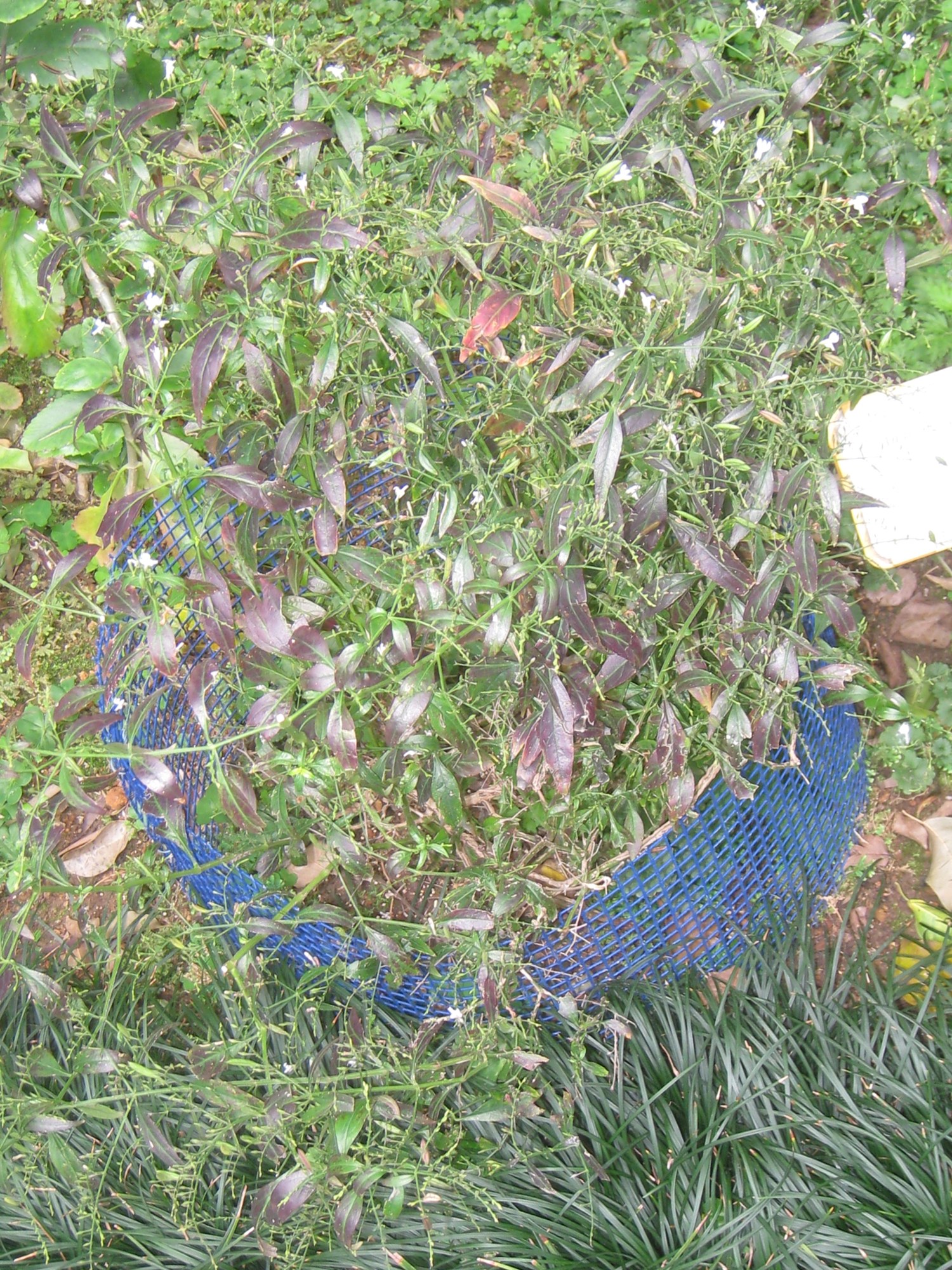
Hempedu bumi is thoroughly documented in Malay materia medica and richly studied as an oral herb, but the topical question this monograph asks has almost no direct evidence: one rat wound study and mechanism work on andrographolide, with no human trial of the plant on skin.
- Parts used
- Leaf, Whole plant
- Native range
- Introduced or naturalised. Indian Subcontinent (POWO/WCVP).
- Habitat
- Garden
- Evidence grade
- C: Pre-clinical work or documented traditional use only
Traditional and heritage uses
"Bile of the earth" is a name earned by taste: hempedu bumi is among the
bitterest plants in the Malay garden pharmacopoeia, and the bitterness is
how the plant is known, named and remembered. In Pahang it answers to a
second name, hempedu tanah, one of several places where the record shows
the naming is local rather than fixed [1].
The Malaysian field record for it is unusually dense. A review of the
ethnobotany of Acanthaceae in Peninsular Malaysia consolidates the
recorded uses across Orang Asli communities, Malay villagers and market
traders, drawing six separate field studies into a single concordance [2].
Beneath it sit the village surveys themselves: Terengganu, where the whole
plant is decocted or infused and taken orally [3]; the home gardens of
Kampung Masjid Ijok in Perak, where it is one of 207 species recorded [4],
and where a single named practitioner's own repertoire was documented
separately [5]; and a survey across all eight Terengganu districts drawing
on 384 respondents [6]. It is traded as well as grown: a market survey in
Batu Pahat, Johor found it sold across local markets, which records what
is actually current rather than what is remembered [7].
That last distinction matters, and the literature has begun to measure it.
A study in an urban herbal village in Surabaya found that while half the
community held detailed knowledge of sambiloto, the Indonesian name,
fewer than half actually used it [8]. Transmission is not automatic, and
the record of a plant's use is also a record of how tradition thins.
What the evidence says
The honest starting point of most botanical literature, and of most of our library.
What the grades mean- VIISystematic reviewGrade A
- VIClinical studiesGrade A–B
- VHuman observationalGrade B–C
- IVPreclinicalGrade C
- IIILaboratoryGrade C
- IIPhytochemicalGrade C
- ITraditional useGrade C
The ladder explains the grade; it never replaces it. Evidence for this plant reaches preclinical, which is why the entry is graded C.
Cautions and safety
The oral safety record is comparatively well characterised: a 2021
systematic review and meta-analysis found serious adverse events very rare
across ten randomised trials [7]. The signal that matters for skin
products is hypersensitivity: Thai pharmacovigilance data record
urticaria, pruritus, angioedema and anaphylaxis among users [8]. Whether
systemic hypersensitivity translates into contact sensitisation on
compromised skin has not been studied, no patch-test data exist, so a
cautious patch test before use and immediate discontinuation on any
reaction are the sensible minimum. Not for broken skin; diagnosed skin
conditions need clinical care.
Two further findings belong here. A systematic review and meta-analysis
separated the adverse-event profile of injectable andrographolide
derivative medicines from that of whole-herb preparations, which are the
better tolerated of the two [9]: a distinction worth preserving whenever
the Thai pharmacovigilance signals are cited. And Malaysian work at
Universiti Kebangsaan Malaysia reported suppression of male reproductive
parameters in rats given a methanolic extract [10]. That is an animal
result for an oral route, but it is a locally generated signal in a plant
widely taken as a household remedy, and it is the finding most deserving
of attention here.
This entry records documented traditional use. This is not medical advice; speak to a qualified practitioner.
Sources (18)
- Ong HC, Zuki RM, Milow P (2011). Traditional knowledge of medicinal plants among the Malay villagers in Kampung Mak Kemas, Terengganu, Malaysia. Studies on Ethno-Medicine 5(3): 175–185. Source
- Hossain MS, Urbi Z, Sule A, Rahman KMH (2014). Andrographis paniculata (Burm. f.) Wall. ex Nees: a review of ethnobotany, phytochemistry, and pharmacology. The Scientific World Journal 2014: 274905. Source
- Chao WW, Lin BF (2010). Isolation and identification of bioactive compounds in Andrographis paniculata (Chuanxinlian). Chinese Medicine 5: 17. Source
- Xia YF, et al. (2004). Andrographolide attenuates inflammation by inhibition of NF-kappa B activation through covalent modification of reduced cysteine 62 of p50. Journal of Immunology 173(6): 4207–4217. Source
- Al-Bayaty FH, et al. (2012). Effect of Andrographis paniculata leaf extract on wound healing in rats. Natural Product Research 26(5): 423–429. Source
- Coon JT, Ernst E (2004). Andrographis paniculata in the treatment of upper respiratory tract infections: a systematic review of safety and efficacy. Planta Medica 70(4): 293–298. Source
- Worakunphanich W, et al. (2021). Safety of Andrographis paniculata: a systematic review and meta-analysis. Pharmacoepidemiology and Drug Safety 30(6): 727–739. Source
- Suwankesawong W, Saokaew S, Permsuwan U, Chaiyakunapruk N (2014). Characterization of hypersensitivity reactions reported among Andrographis paniculata users in Thailand using Health Product Vigilance Center (HPVC) database. BMC Complementary and Alternative Medicine 14: 515. Source
- Zakaria SM, Che Amri CNA, Shahari R (2020). Ethnobotany and traditional knowledge of Acanthaceae in Peninsular Malaysia: a review. Pharmacognosy Journal 12(6): 1482–1488. Source
- Ong HC, Ruzalila BN, Milow P (2011). Traditional knowledge of medicinal plants among the Malay villagers in Kampung Tanjung Sabtu, Terengganu, Malaysia. Indian Journal of Traditional Knowledge 10(3): 460–465. Source
- Ramli MR, Milow P, Malek S (2021). Diversity and traditional knowledge of medicinal plants in home gardens of Kampung Masjid Ijok, Perak, Malaysia. Biodiversitas 22(5): 2458–2465. Source
- Abdulrahman MD, Ali AM, Nur Fatihah HN, Khandaker MM, Nashriyah M (2018). Traditional medicinal knowledge of Malays in Terengganu, Peninsular Malaysia. Malayan Nature Journal 70(3): 349–364. Source
- Ulfa R, Fatmah, Utomo SW (2025). Community knowledge and uses of sambiloto (Andrographis paniculata) in an urban herbal village, Surabaya, East Java, Indonesia. Biodiversitas 26(8): 4017–4022. Source
- Intharuksa A, Arunotayanun W, Yooin W, Sirisa-Ard P (2022). A comprehensive review of Andrographis paniculata (Burm. f.) Nees and its constituents as potential lead compounds for COVID-19 drug discovery. Molecules 27(14): 4479. Source
- Shang YX, Shen C, Stub T, et al. (2022). Adverse effects of andrographolide derivative medications compared to the safe use of herbal preparations of Andrographis paniculata: results of a systematic review and meta-analysis of clinical studies. Frontiers in Pharmacology 13: 773282. Source
- Songvut P, Suriyo T, Panomvana D, Rangkadilok N, Satayavivad J (2022). A comprehensive review on disposition kinetics and dosage of oral administration of Andrographis paniculata, an alternative herbal medicine, in co-treatment of coronavirus disease. Frontiers in Pharmacology 13: 952660. Source
- Siripongboonsitti T, Ungtrakul T, Tawinprai K, et al. (2023). Efficacy of Andrographis paniculata extract treatment in mild to moderate COVID-19 patients being treated with favipiravir: a double-blind, randomized, placebo-controlled study (APFaVi trial). Phytomedicine 119: 155018. Source
- Dayang Nurul Fatihah MN, Mahanem MN (2015). Fertility suppression in male Sprague-Dawley rats by administration of methanolic extract of hempedu bumi (Andrographis paniculata). Sains Malaysiana 44(9): 1249–1255. Source