Daun kesum
Persicaria minor
ENVietnamese coriander, Kesum
- MSKesum
- MSDaun laksa
- ENLaksa leaf
Synonym: Persicaria pumila Montandon
Family: Polygonaceae
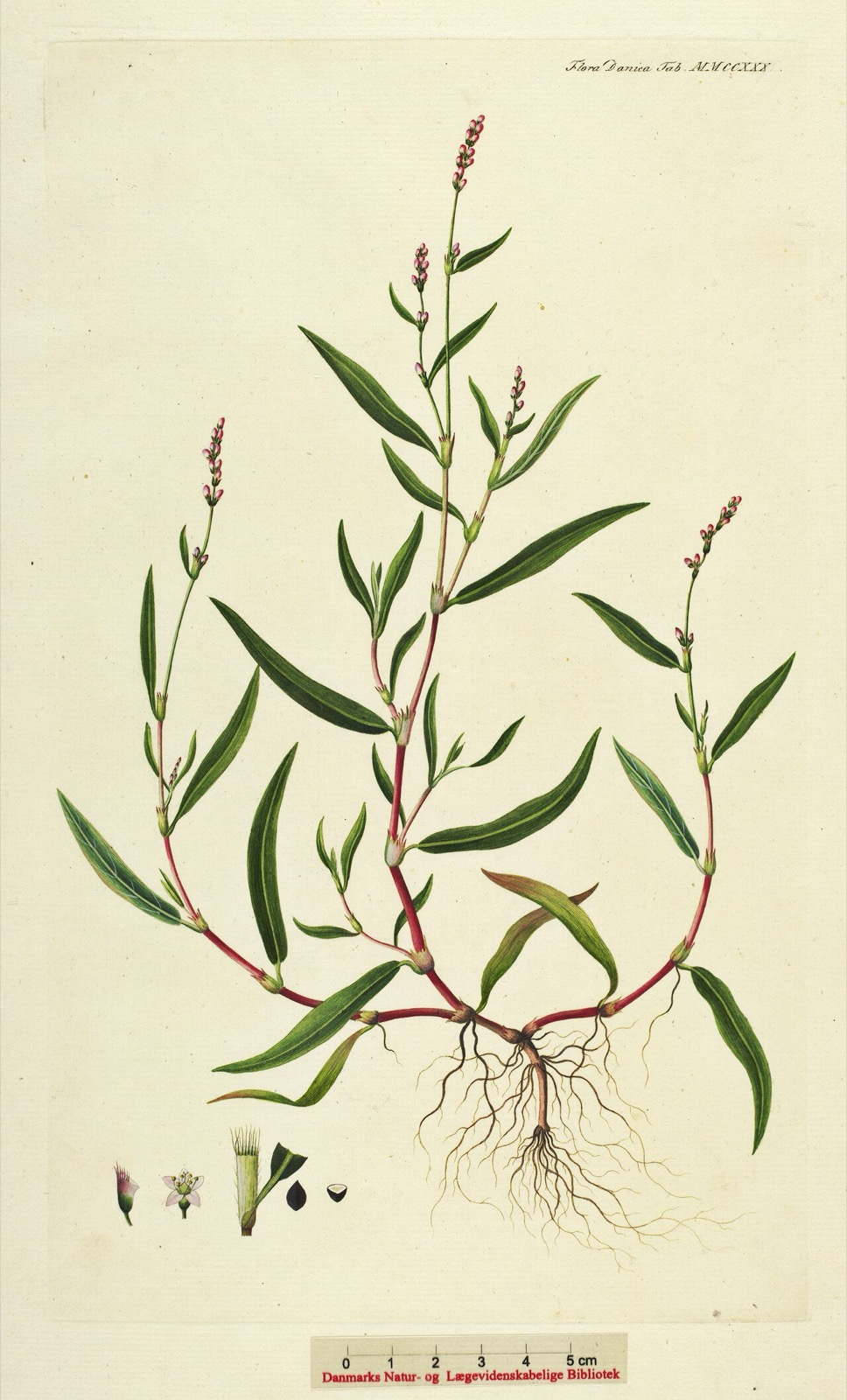
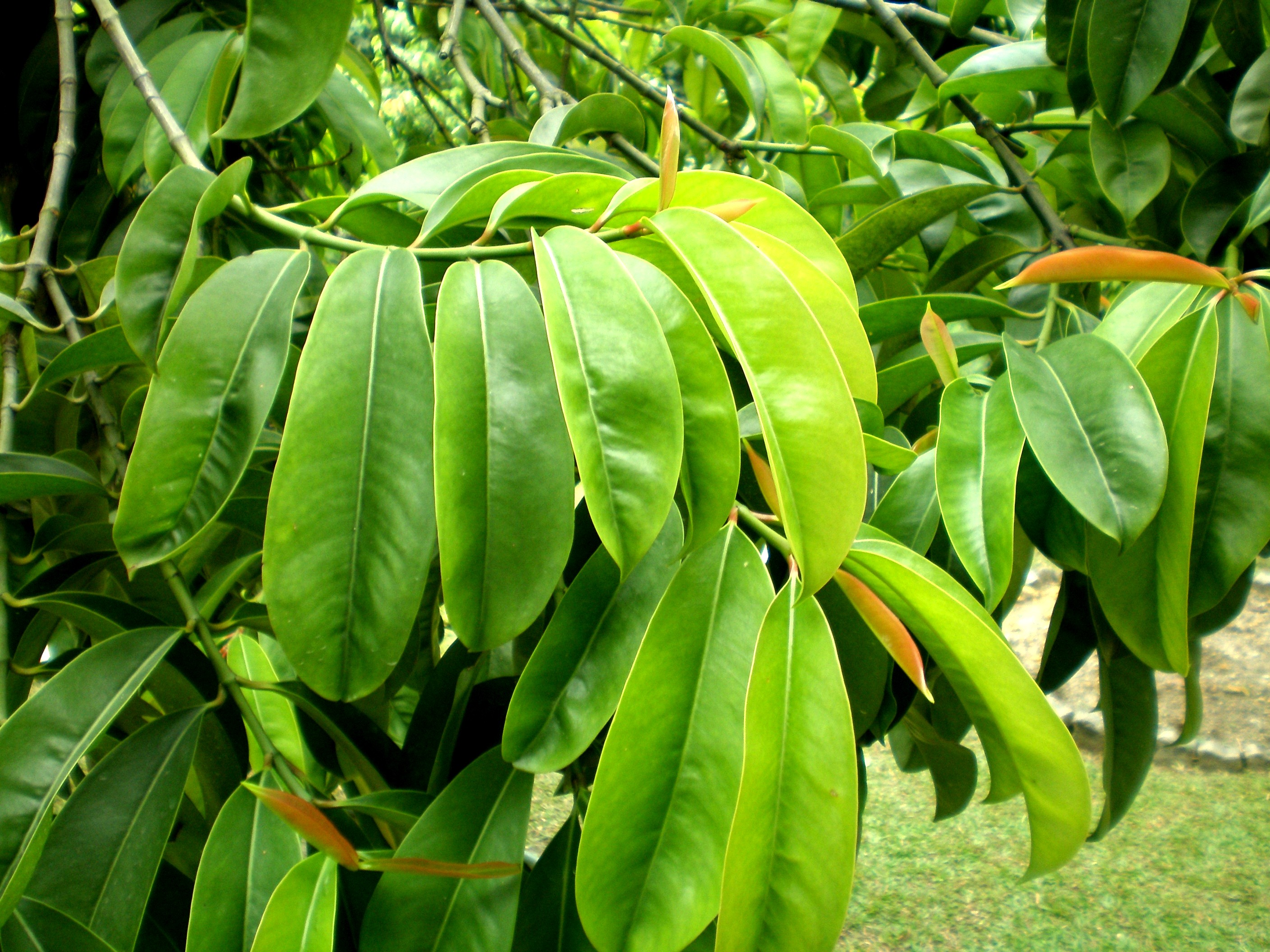
Daun kesum is the laksa leaf, a peppery, aromatic herb that is essential to Malay laksa and eaten raw as ulam. In the Malaysian literature it is Persicaria minor (Polygonum minus); the closely similar Persicaria odorata is sold under the same name.
- Parts used
- Leaf
- Native range
- Native. Eurasia to NW. Pacific (POWO/WCVP).
- Habitat
- Kitchen
- Scent profile
- Herbal, Citrus, Green
Traditional and heritage uses
Two closely related species are sold as daun kesum. Persicaria minor is native to Peninsular Malaysia, the Philippines and New Guinea, and Persicaria odorata, the Vietnamese coriander, is native to Peninsular Malaysia as well [1, 2]. Which one a market bunch belongs to is often unclear without flowers.
Scent profile
- Herbal Sharp, peppery herb.
- Citrus A coriander-like citrus note.
- Green Fresh leaf.
In the kitchen
Kesum is an aromatic plant widely used as a flavouring in cooking [3]. Research on the herb in Malaysia uses the names kesum, Polygonum minus and Persicaria minor [3].
Cautions and safety
Kesum is eaten as a food herb. Laboratory reviews of the plant [3] are not evidence of effects in people.
This entry is for information only and is not medical advice.
Sources (3)
- POWO (2026). Persicaria minor (Huds.) Opiz. Plants of the World Online, Royal Botanic Gardens, Kew; distribution from the World Checklist of Vascular Plants. Accessed 18 October 2026. Source
- POWO (2026). Persicaria odorata (Lour.) Soják. Plants of the World Online, Royal Botanic Gardens, Kew; distribution from the World Checklist of Vascular Plants. Accessed 18 October 2026. Source
- Hamid AA, Aminuddin A, Yunus MHM, et al. (2020). Antioxidative and anti-inflammatory activities of Polygonum minus: a review of literature. Rev Cardiovasc Med 21(2): 275-287. Source