Dictionary entry
Ulam raja
Cosmos caudatus
ENKing's salad
- MSUlam raja
- IDKenikir
- ENKing's salad
Synonym: Bidens artemisiifolia var. caudata (Kunth) Kuntze
Family: Asteraceae
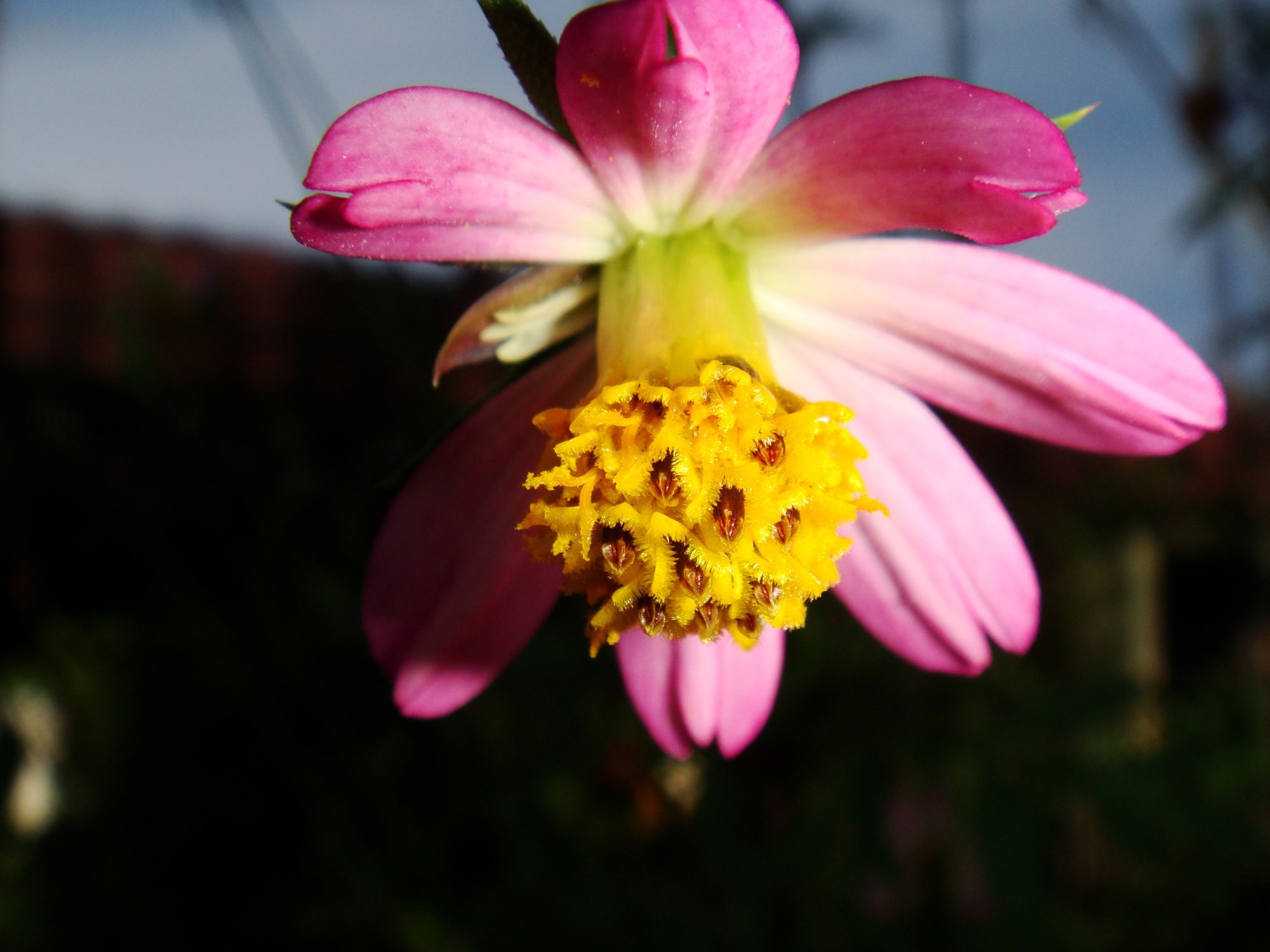
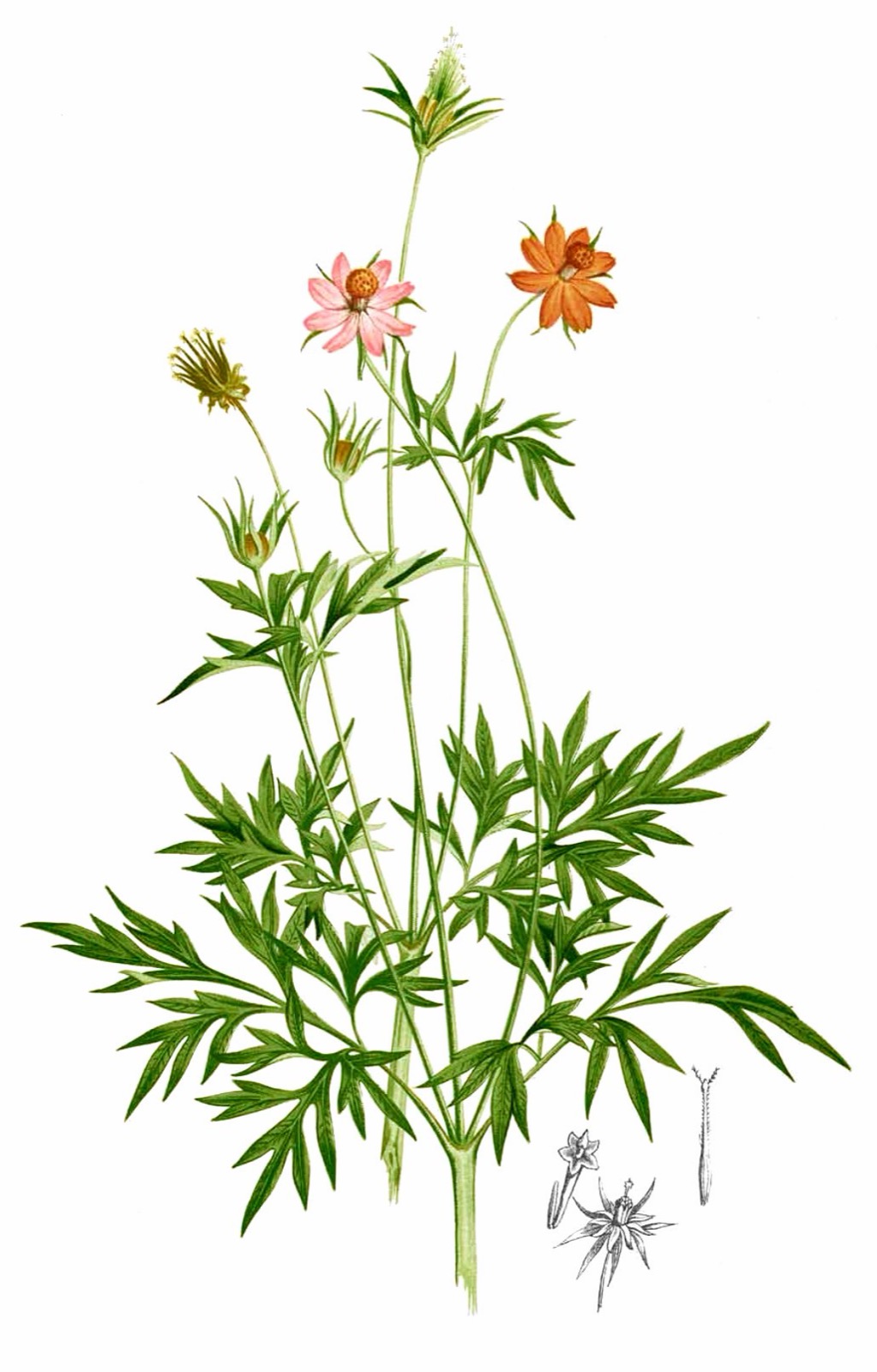
Ulam raja, the king's salad, is a Cosmos whose aromatic young leaves are eaten as a vegetable in Southeast Asia. It is originally from tropical America.
- Parts used
- Leaf
- Native range
- Introduced or naturalised. Mexico to S. Trop. America (POWO/WCVP).
- Habitat
- Kitchen
- Scent profile
- Herbal, Green
Traditional and heritage uses
The plant is native from Mexico to tropical South America [1]. A scoping review of its medicinal research found laboratory and animal studies but called for human trials [2].
Scent profile
- Herbal Resinous, mango-like herb.
- Green Fresh leaf.
In the kitchen
Cosmos caudatus is a traditional vegetable commonly eaten in Southeast Asia [3]. It is also widely used as a traditional medicine in the region [2].
Cautions and safety
Ulam raja is eaten as a vegetable. Supplement studies [3] do not make it a treatment for any condition.
This entry is for information only and is not medical advice.
Sources (3)
- POWO (2026). Cosmos caudatus Kunth. Plants of the World Online, Royal Botanic Gardens, Kew; distribution from the World Checklist of Vascular Plants. Accessed 18 October 2026. Source
- Cheng SH, Barakatun-Nisak MY, Anthony J, et al. (2015). Potential medicinal benefits of Cosmos caudatus (Ulam Raja): A scoping review. J Res Med Sci 20(10): 1000-6. Source
- You YX, Shahar S, Mohamad M, et al. (2021). Neuroimaging Functional Magnetic Resonance Imaging Task-Based Dorsolateral Prefrontal Cortex Activation Following 12 Weeks of Cosmos caudatus Supplementation Among Older Adults With Mild Cognitive Impairment. J Magn Reson Imaging 54(6): 1804-1818. Source