Dictionary entry
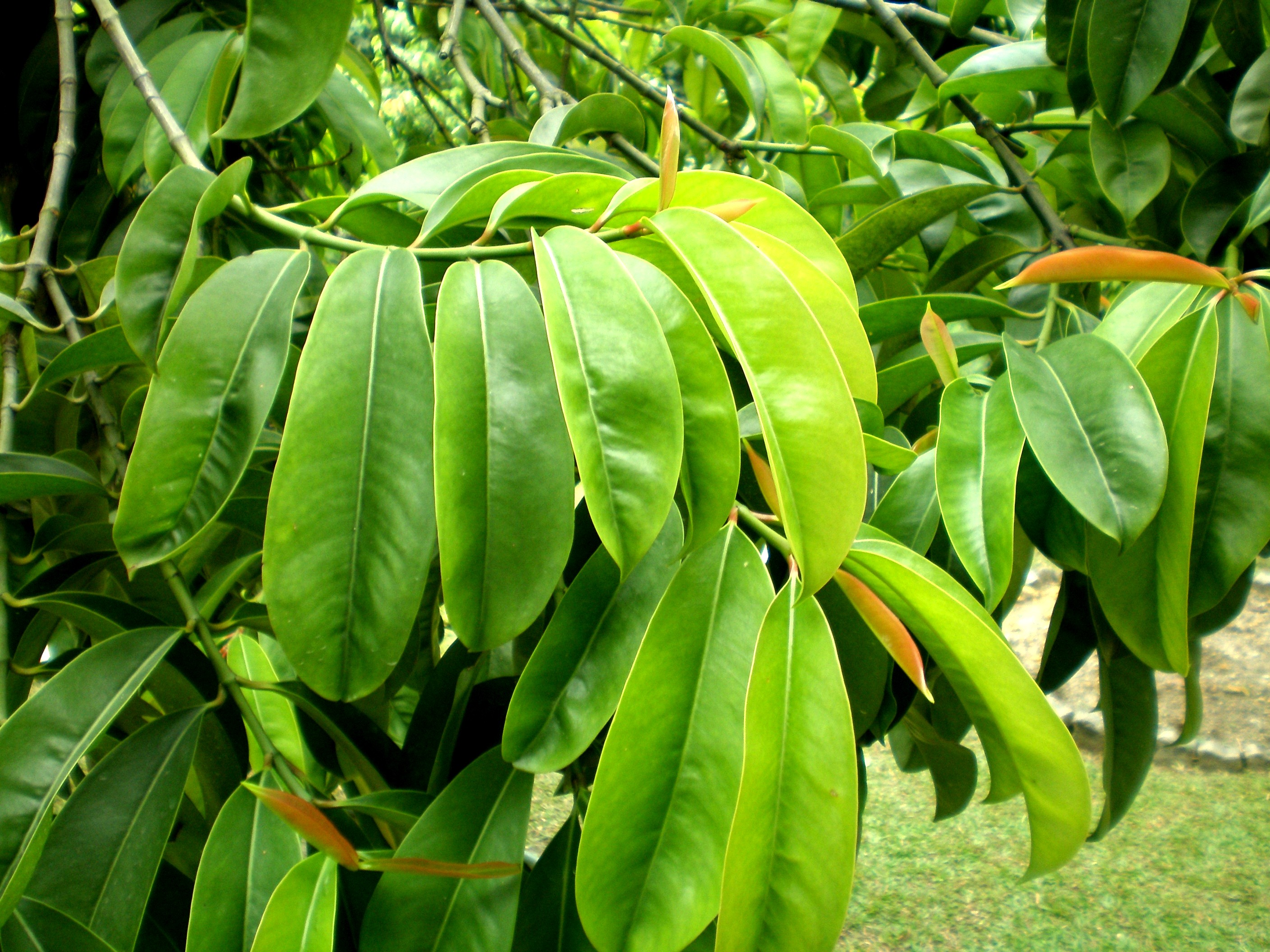
Daun salam
Syzygium polyanthum
ENIndonesian bay leaf, Salam leaf
- MSDaun salam
- MSSerai kayu
- IDDaun salam
- ENIndonesian bay leaf
Family: Myrtaceae
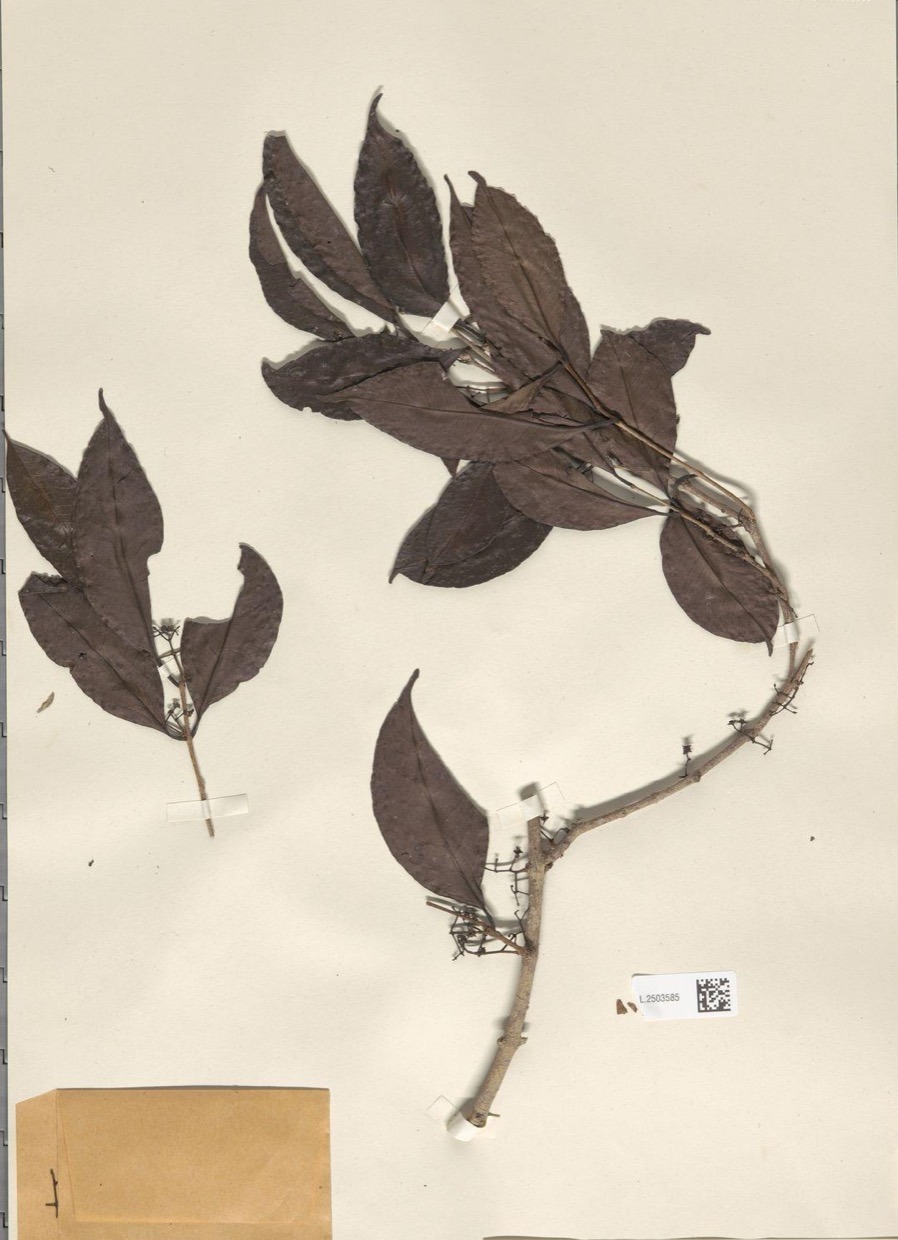
Daun salam is the aromatic leaf of a native Syzygium tree, widely used in Indonesian and Malaysian cooking. In Malaysia it is also called serai kayu.
- Parts used
- Leaf
- Native range
- Native. Indo-China to W. & C. Malesia (POWO/WCVP).
- Habitat
- Kitchen
- Scent profile
- Herbal, Spicy
Traditional and heritage uses
In Indonesia the leaves are traditionally boiled into a decoction and taken for diabetes [2]. Studies so far are in the laboratory and in animals [3], and toxicity research on the plant has been limited [4].
Scent profile
- Herbal Warm, savoury leaf.
- Spicy A faint clove-like spice.
In the kitchen
Syzygium polyanthum is widely used in Indonesian and Malaysian cuisines [3]. In Malaysia the leaf is also known as serai kayu [4].
Cautions and safety
The leaf is a cooking herb. Animal studies [3] do not show effects in people. Consult a qualified professional before internal use.
This entry is for information only and is not medical advice.
Sources (4)
- POWO (2026). Syzygium polyanthum (Wight) Walp.. Plants of the World Online, Royal Botanic Gardens, Kew; distribution from the World Checklist of Vascular Plants. Accessed 18 October 2026. Source
- Syabana MA, Yuliana ND, Batubara I, et al. (2022). α-glucosidase inhibitors from Syzygium polyanthum (Wight) Walp leaves as revealed by metabolomics and in silico approaches. J Ethnopharmacol 282: 114618. Source
- Widyawati T, Yusoff NA, Asmawi MZ, et al. (2015). Antihyperglycemic Effect of Methanol Extract of Syzygium polyanthum (Wight.) Leaf in Streptozotocin-Induced Diabetic Rats. Nutrients 7(9): 7764-80. Source
- Harun NH, Rasdi NA, Salleh RM, et al. (2021). Subacute Toxicity Evaluation of Methanolic Extract of Syzygium polyanthum in Rats. Trop Life Sci Res 32(2): 65-81. Source