Inai
Lawsonia inermis
ENHenna
- MSInai
- IDPacar kuku
- ENHenna
Family: Lythraceae
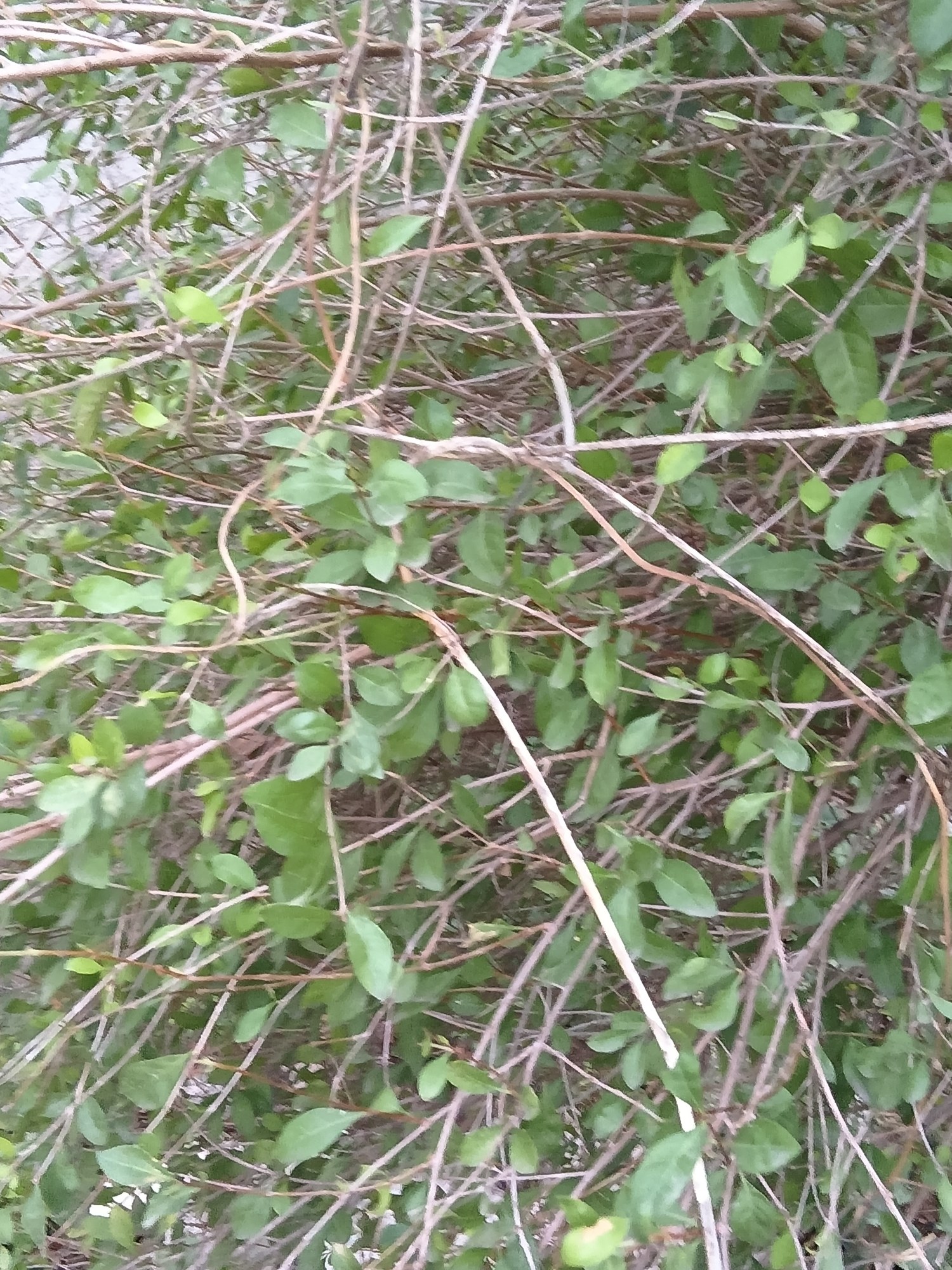
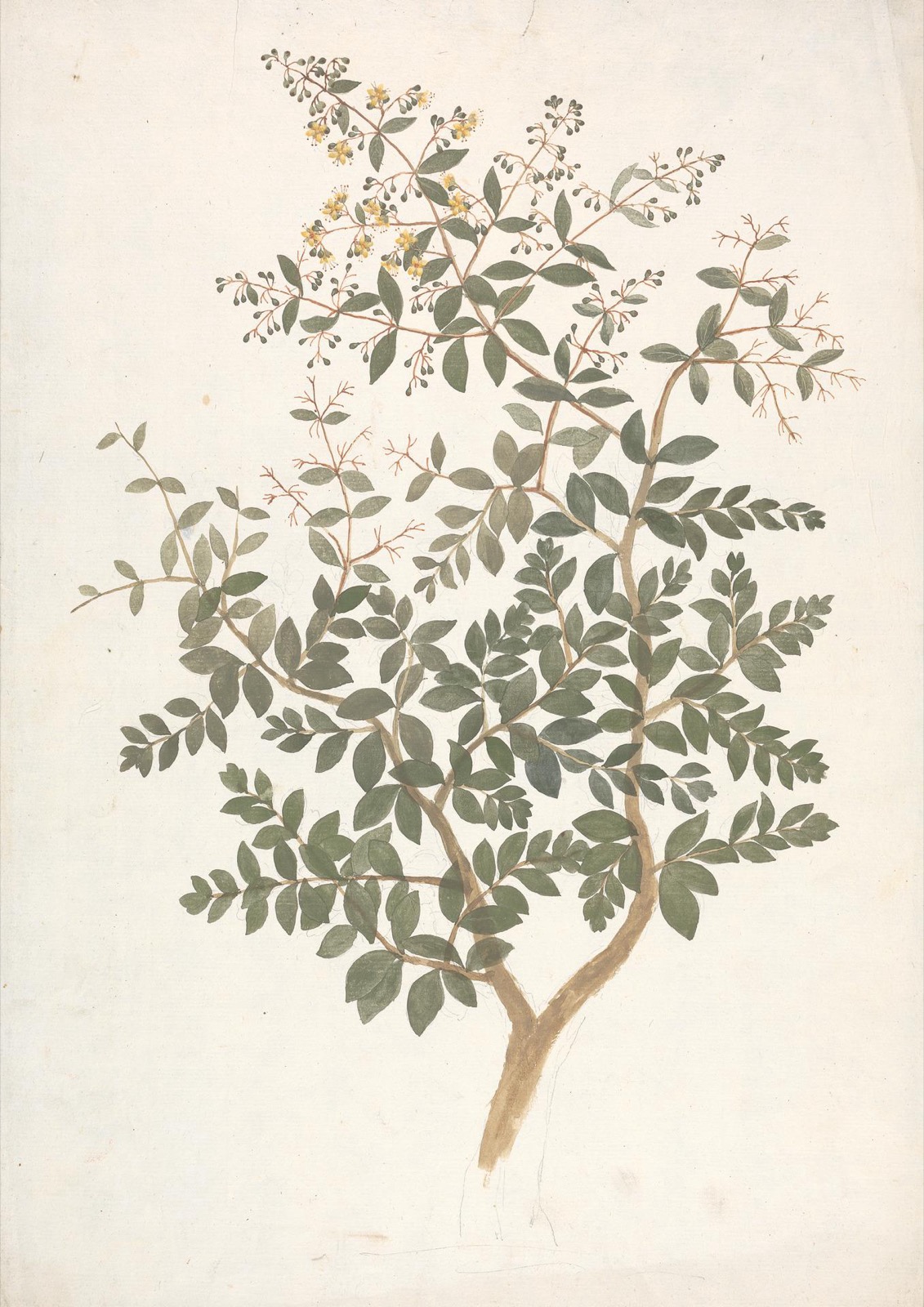
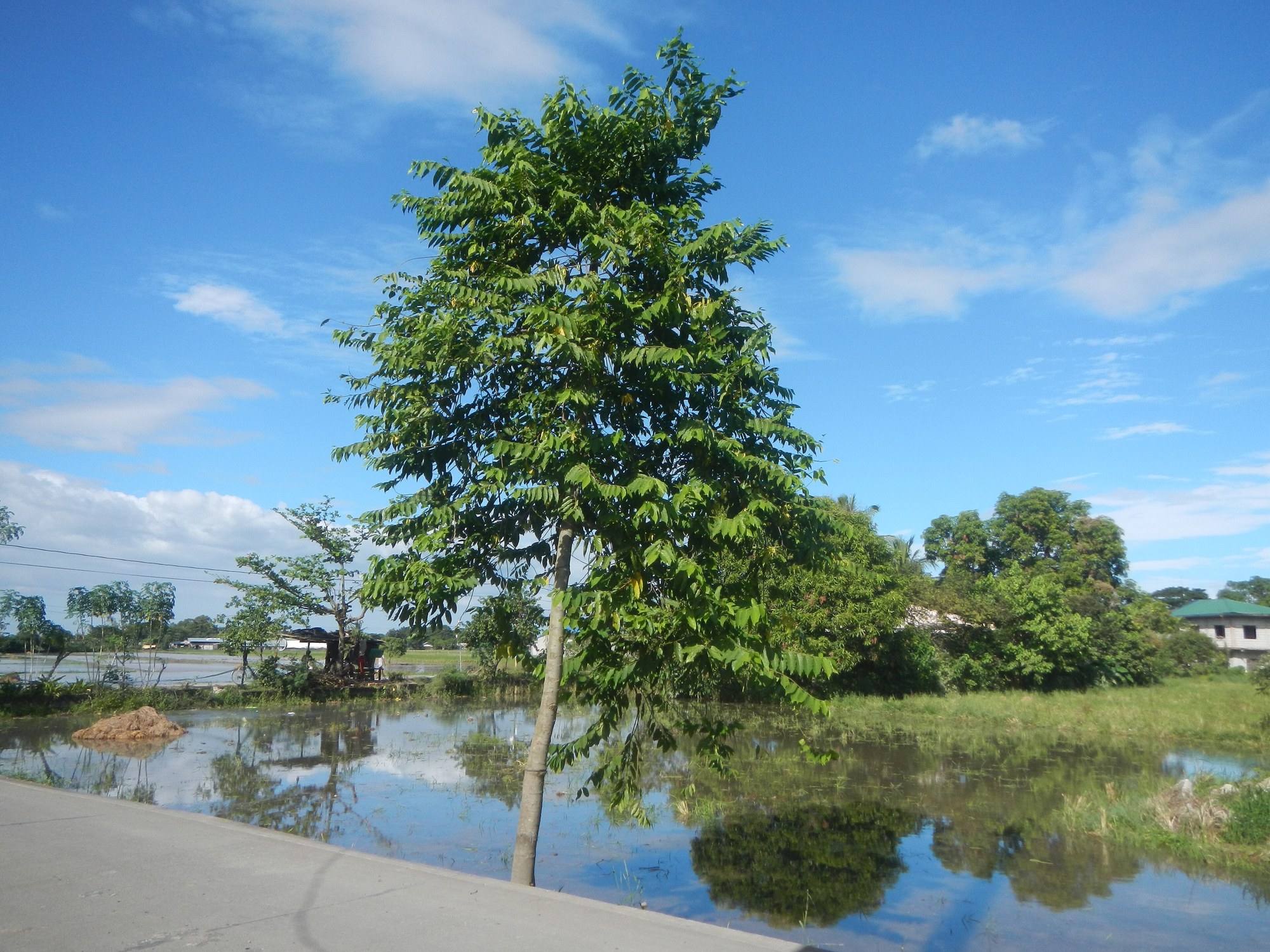
Inai is henna, the shrub whose pounded leaves stain hands and nails a deep orange-red. Its use for adornment and celebration runs through the cultures of Asia and North Africa.
- Parts used
- Leaf
- Native range
- Introduced or naturalised. NE. Trop. Africa, Arabian Pen., S. Pakistan to India (POWO/WCVP).
- Habitat
- Garden
Beauty and grooming traditions
The use of henna for cosmetic purposes is linked to ancient and modern cultures of North Africa and Asia, where it has long been used for personal adornment [2]. The leaves contain the dye that gives the stain its colour [3].
Rituals and ceremony
Henna played a holistic role in the daily life of some ancient cultures, including adornment for celebrations [2]. Lawsonia inermis is recorded as introduced in Java, the Lesser Sunda Islands and New Guinea [1].
Cautions and safety
So-called black henna tattoos can contain para-phenylenediamine (PPD), a common cause of allergic contact dermatitis [4]. Use only plain leaf henna.
This entry is for information only and is not medical advice.
Sources (4)
- POWO (2026). Lawsonia inermis L.. Plants of the World Online, Royal Botanic Gardens, Kew; distribution from the World Checklist of Vascular Plants. Accessed 18 October 2026. Source
- Badoni Semwal R, Semwal DK, Combrinck S, et al. (2014). Lawsonia inermis L. (henna): ethnobotanical, phytochemical and pharmacological aspects. J Ethnopharmacol 155(1): 80-103. Source
- Batiha GE, Teibo JO, Shaheen HM, et al. (2024). Therapeutic potential of Lawsonia inermis Linn: a comprehensive overview. Naunyn Schmiedebergs Arch Pharmacol 397(6): 3525-3540. Source
- Encabo Durán B, Romero-Pérez D, Silvestre Salvador JF (2018). Allergic Contact Dermatitis Due to Paraphenylenediamine: An Update. Actas Dermosifiliogr (Engl Ed) 109(7): 602-609. Source