Cempaka
Magnolia champaca
ENChampak, Golden champa
- MSCempaka
- IDCempaka
- ENChampak
Synonym: Michelia champaca L.
Family: Magnoliaceae
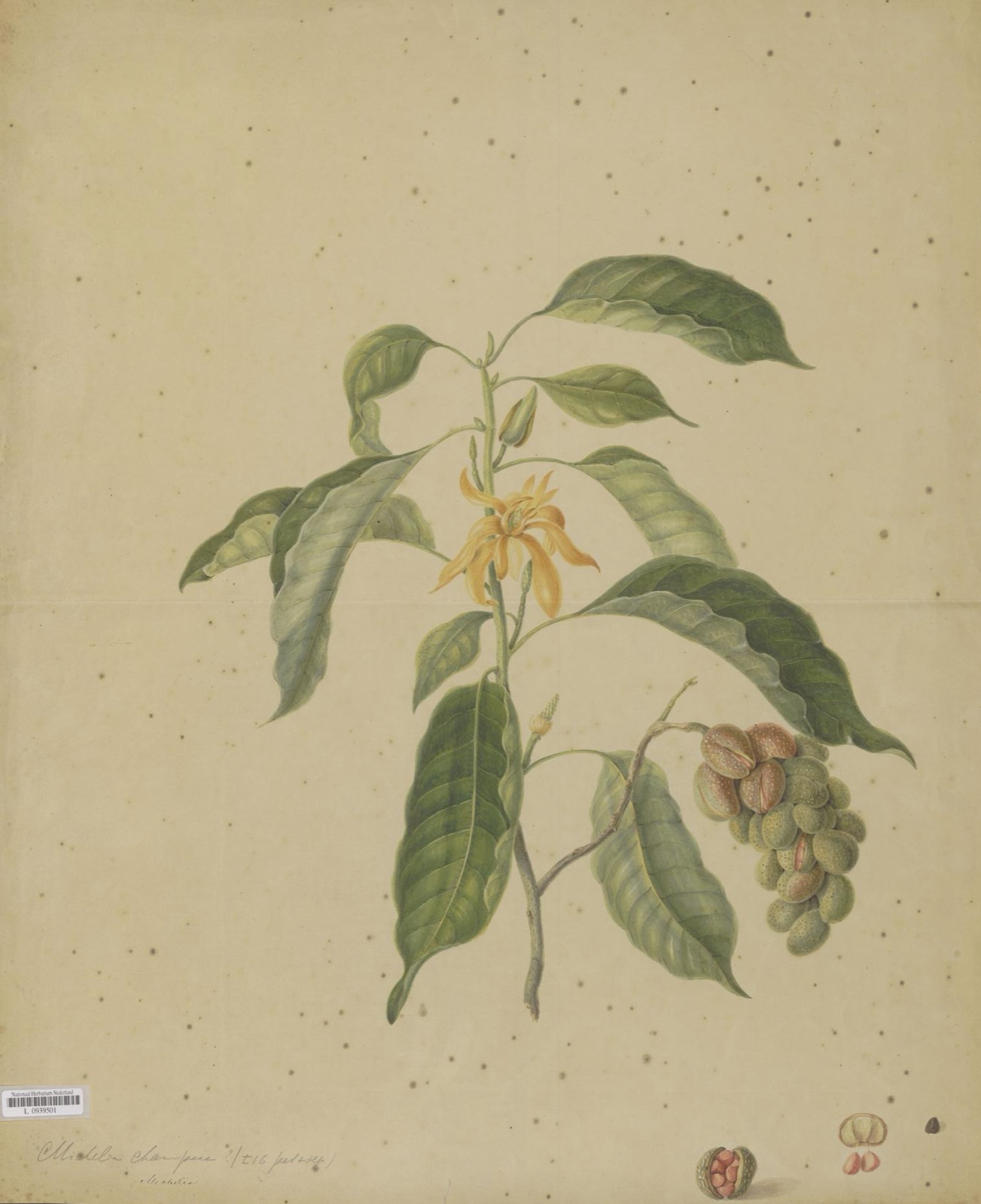
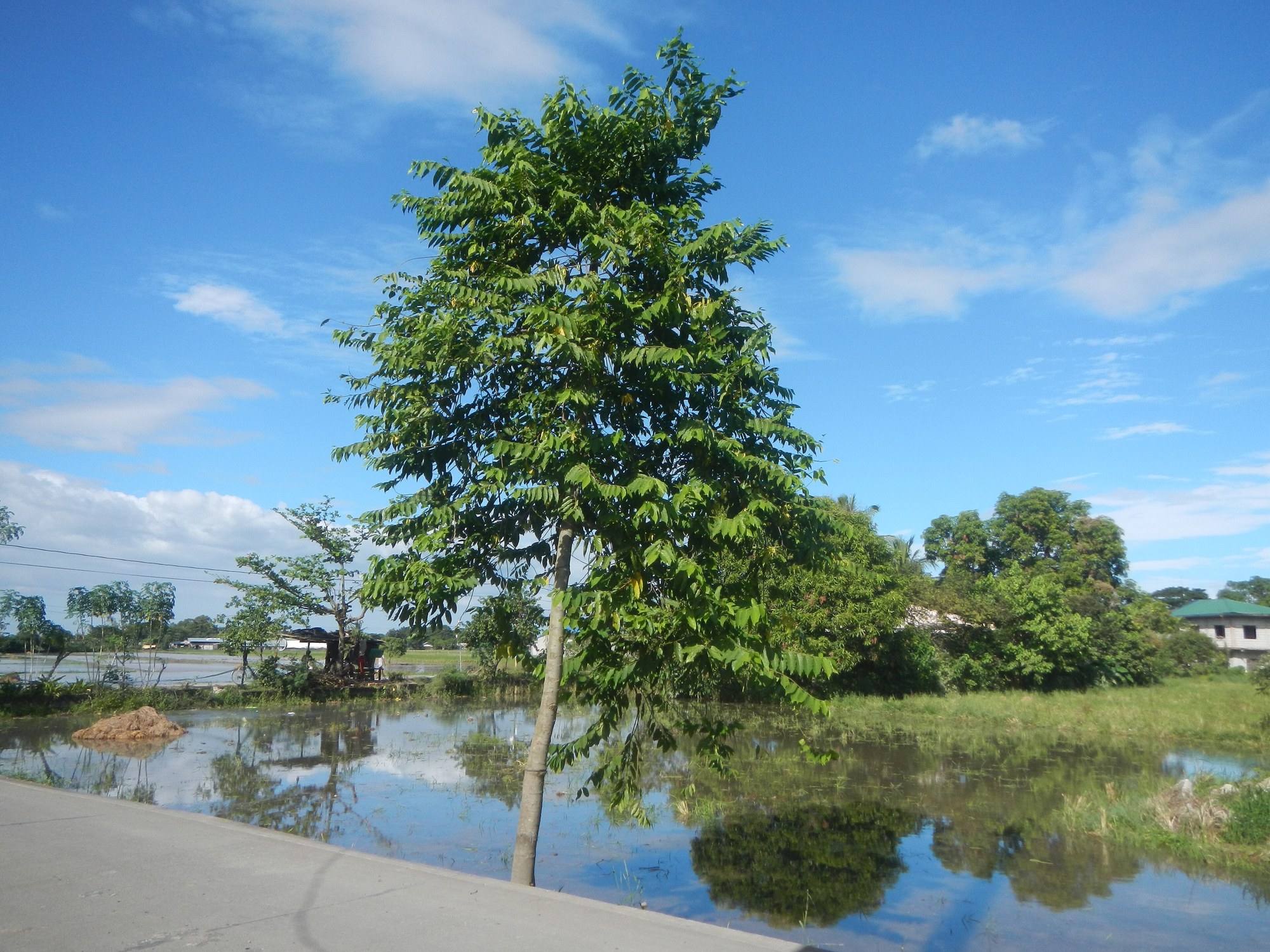
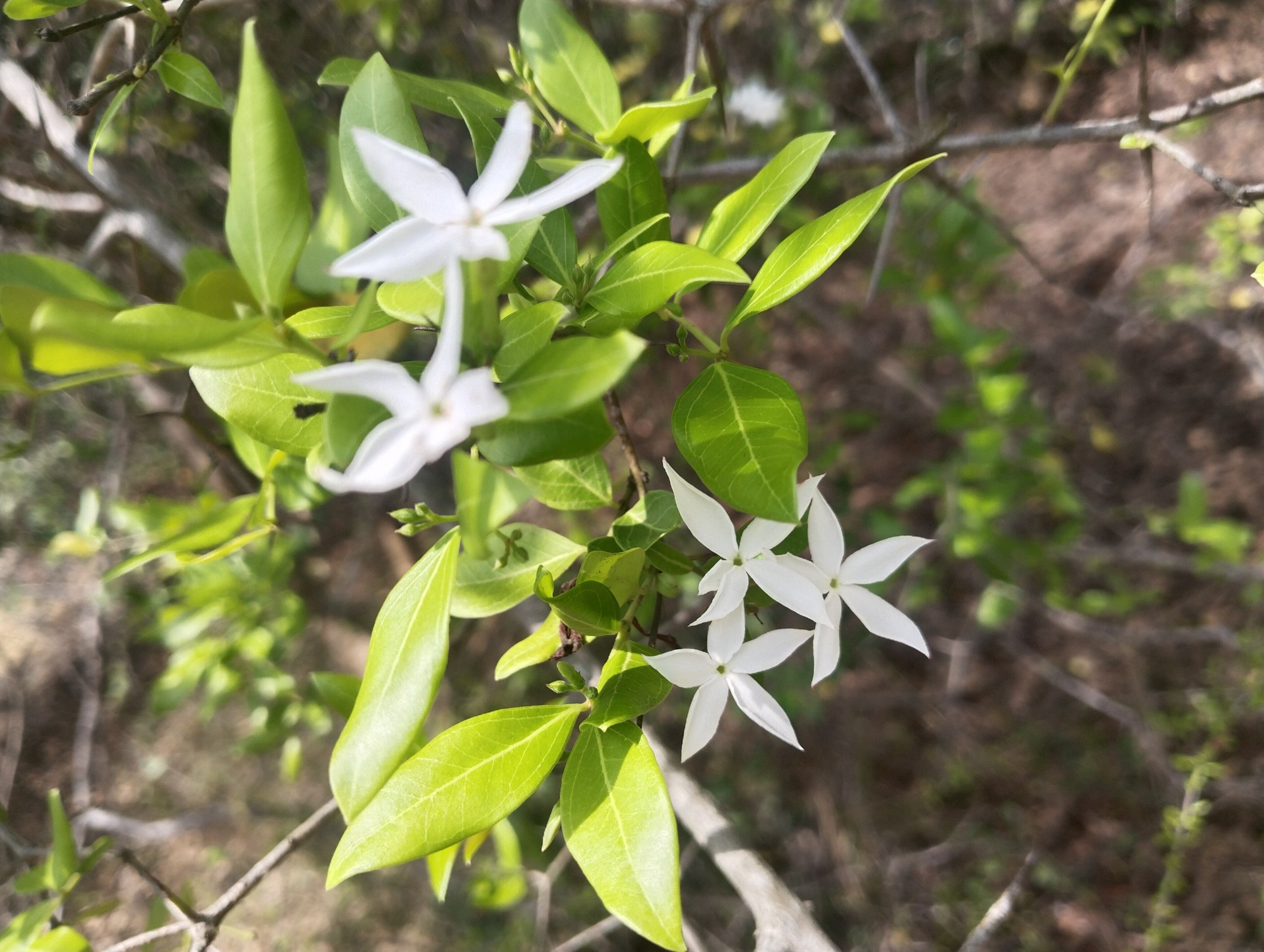
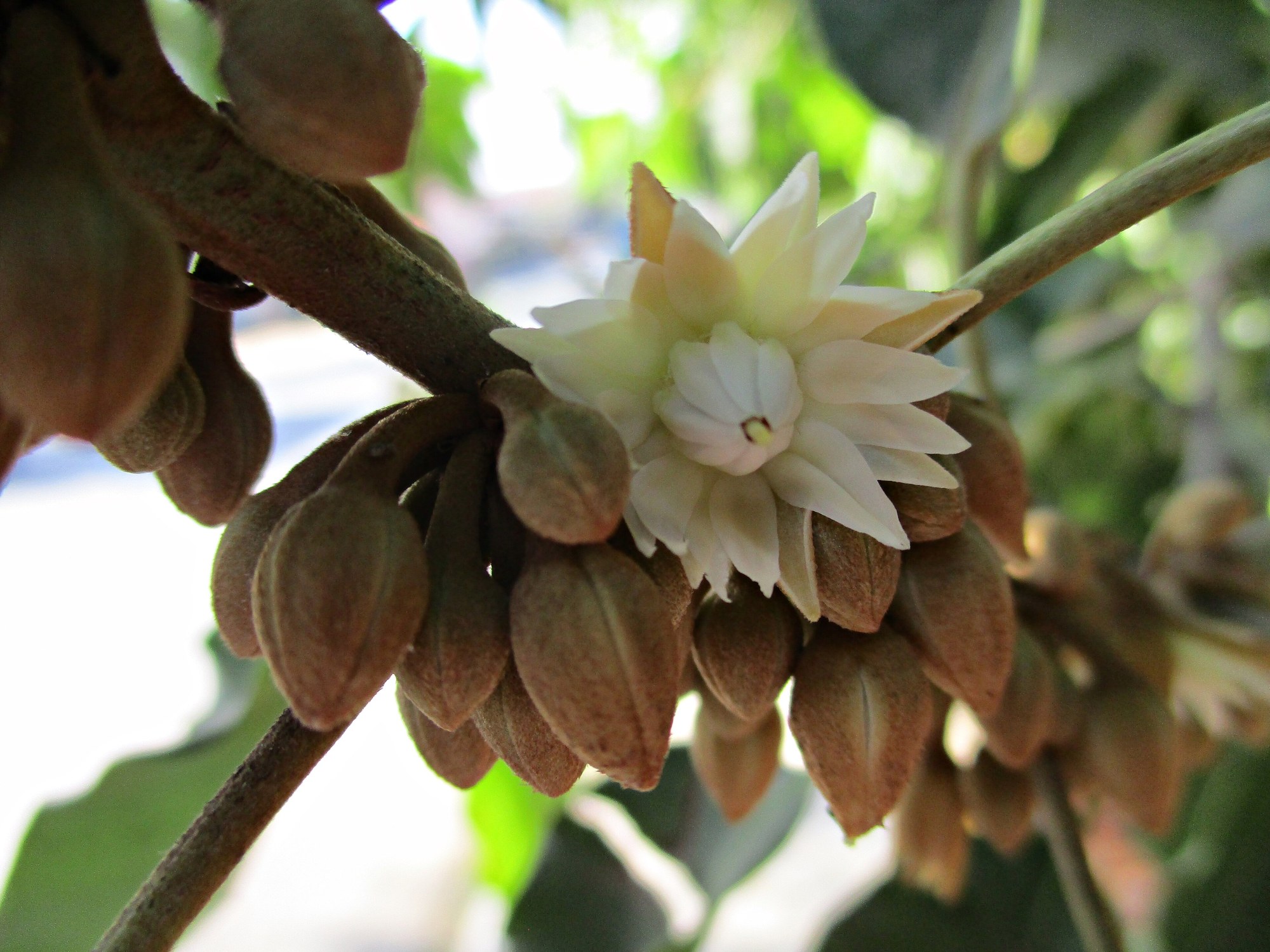
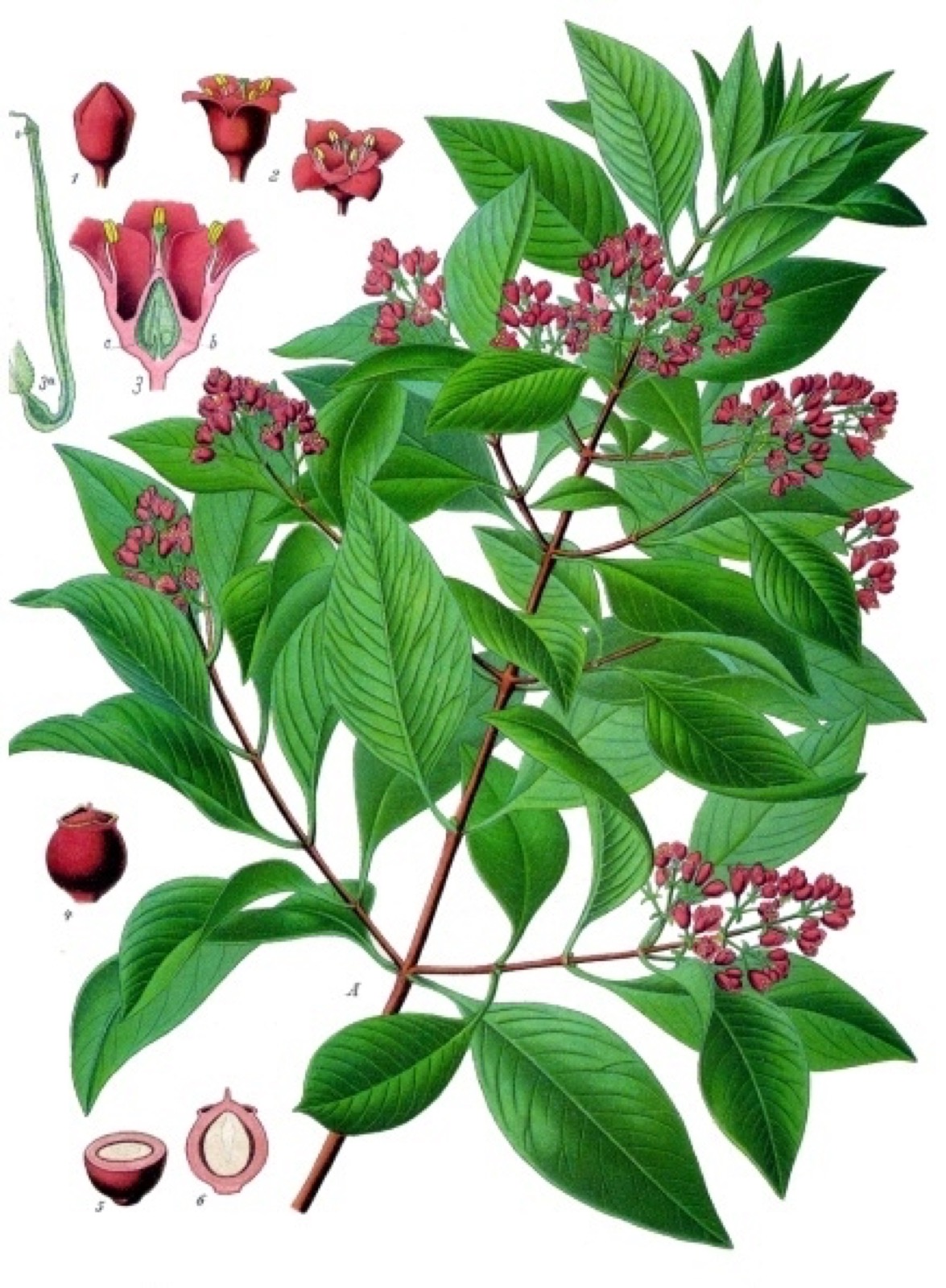
Cempaka is the champak tree, whose orange-yellow flowers carry one of the richest floral scents of the region. Long known as Michelia champaca, it is now placed in Magnolia, and its flowers are grown for the fragrance trade.
- Parts used
- Flower
- Native range
- Native. S. India to SC. China and Lesser Sunda Is (POWO/WCVP).
- Habitat
- Garden
- Scent profile
- Floral, Sweet, Spicy
Traditional and heritage uses
Cempaka is native from southern India to south-central China and into Peninsular Malaysia, Sumatra, Java, Borneo and the Lesser Sunda Islands [1]. It is well known for its highly fragrant flowers [2].
Scent profile
- Floral Rich, heady flower.
- Sweet Apricot-like sweetness.
- Spicy A soft tea-like spice.
Beauty and grooming traditions
The flowers are widely used in the flavour and fragrance industry [2], and the tree is cultivated on a large scale for flowers used as cosmetic raw materials [3].
Cautions and safety
Cempaka is used here as a fragrance flower. Animal studies of the flower buds [4] are not evidence of effects in people. Consult a qualified professional before internal use.
This entry is for information only and is not medical advice.
Sources (4)
- POWO (2026). Magnolia champaca (L.) Baill. ex Pierre. Plants of the World Online, Royal Botanic Gardens, Kew; distribution from the World Checklist of Vascular Plants. Accessed 18 October 2026. Source
- Dhandapani S, Jin J, Sridhar V, et al. (2017). Integrated metabolome and transcriptome analysis of Magnolia champaca identifies biosynthetic pathways for floral volatile organic compounds. BMC Genomics 18(1): 463. Source
- Liu M, Jia Y, Xie H (2024). Flavonoid glycosides from the leaves of Michelia champaca. Fitoterapia 175: 105900. Source
- Jarald EE, Joshi SB, Jain DC (2008). Antidiabetic activity of flower buds of Michelia champaca Linn. Indian J Pharmacol 40(6): 256-60. Source