Beauty & Skin
Traditional grooming and cosmetic customs such as bedak sejuk, inai and hair oils, described as practices, cited, and without dermatological claims.
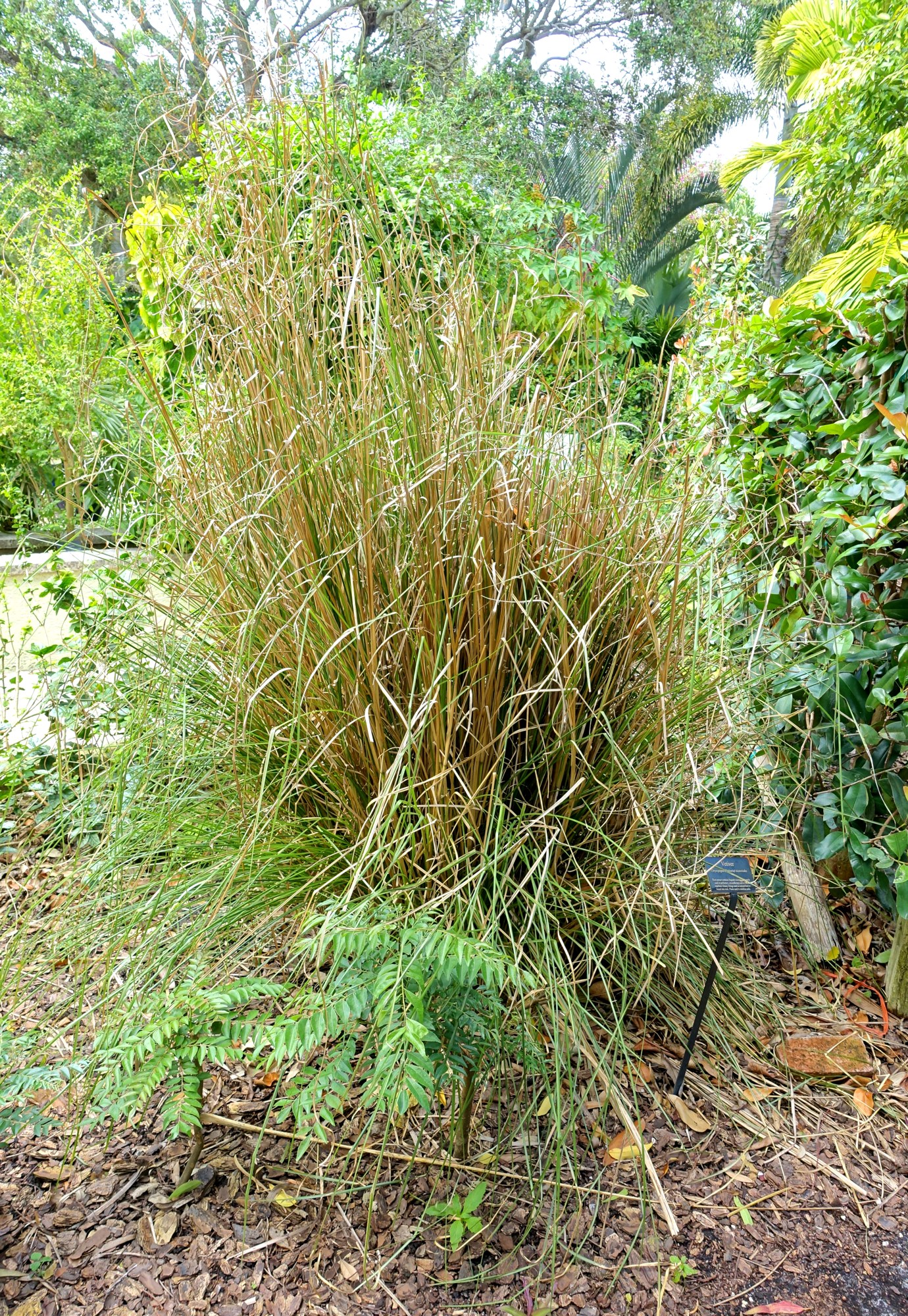 Akar wangi
Chrysopogon zizanioides
English: Vetiver
Akar wangi, the fragrant root, is vetiver, a clumping grass whose dense roots are distilled into a smoky, earthy perfume oil. It is recorded as introduced across the Malay archipelago.
Scent & AromaticsBeauty & Skin
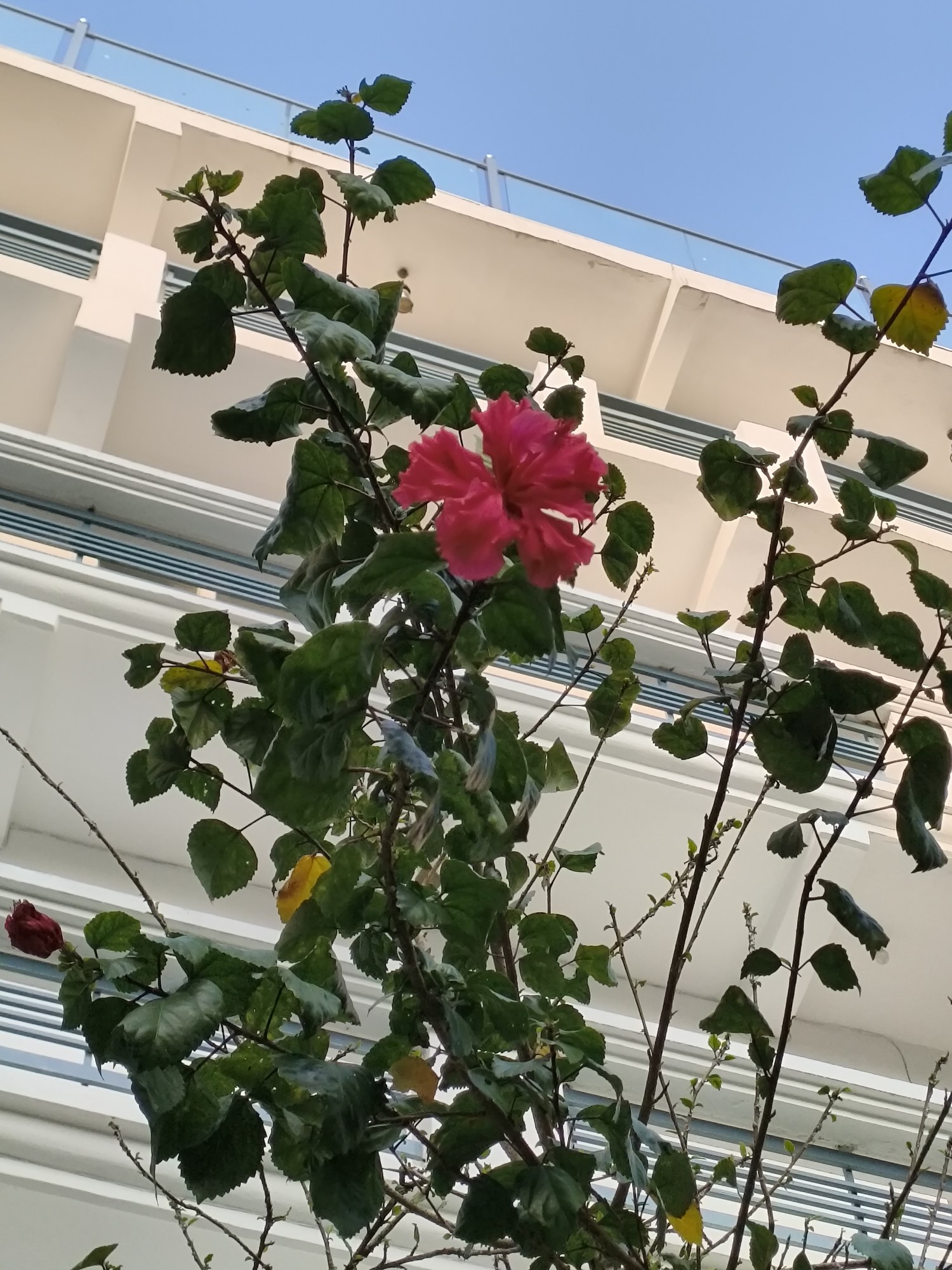 Bunga raya
Hibiscus rosa-sinensis
English: Chinese hibiscus, Shoeblack plant
Bunga raya, the red hibiscus, is Malaysia's national flower and a fixture of gardens and hedges. Botanists regard it as a cultigen of hybrid origin, and it has a long record in traditional practice.
Beauty & SkinRituals & Ceremony
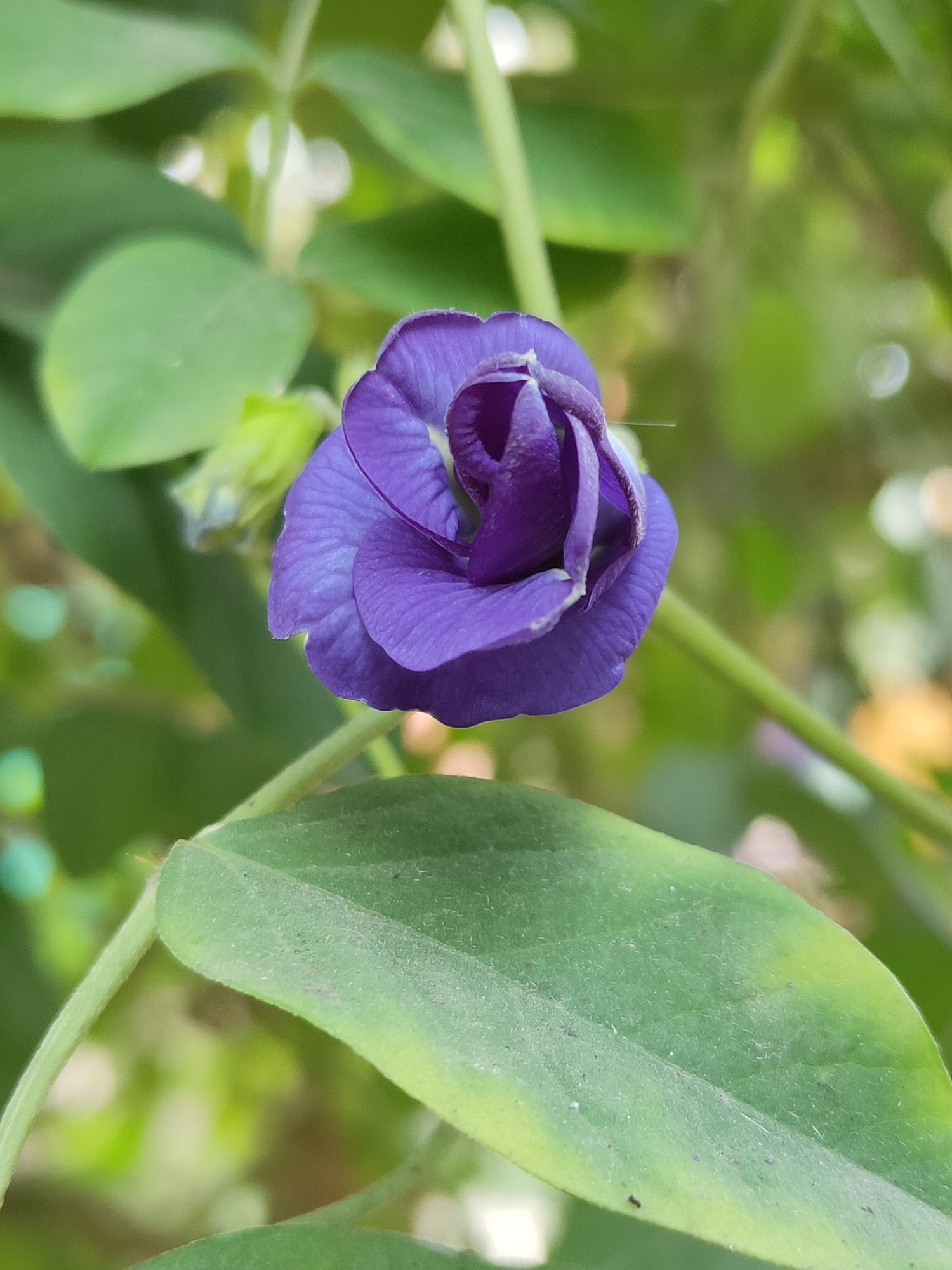 Bunga telang
Clitoria ternatea
English: Butterfly pea, Blue pea
Bunga telang, the butterfly pea, is a climbing legume whose deep blue flowers colour rice and kuih. The colour comes from anthocyanins that turn purple when acid is added.
CulinaryBeauty & Skin
 Cempaka
Magnolia champaca
English: Champak, Golden champa
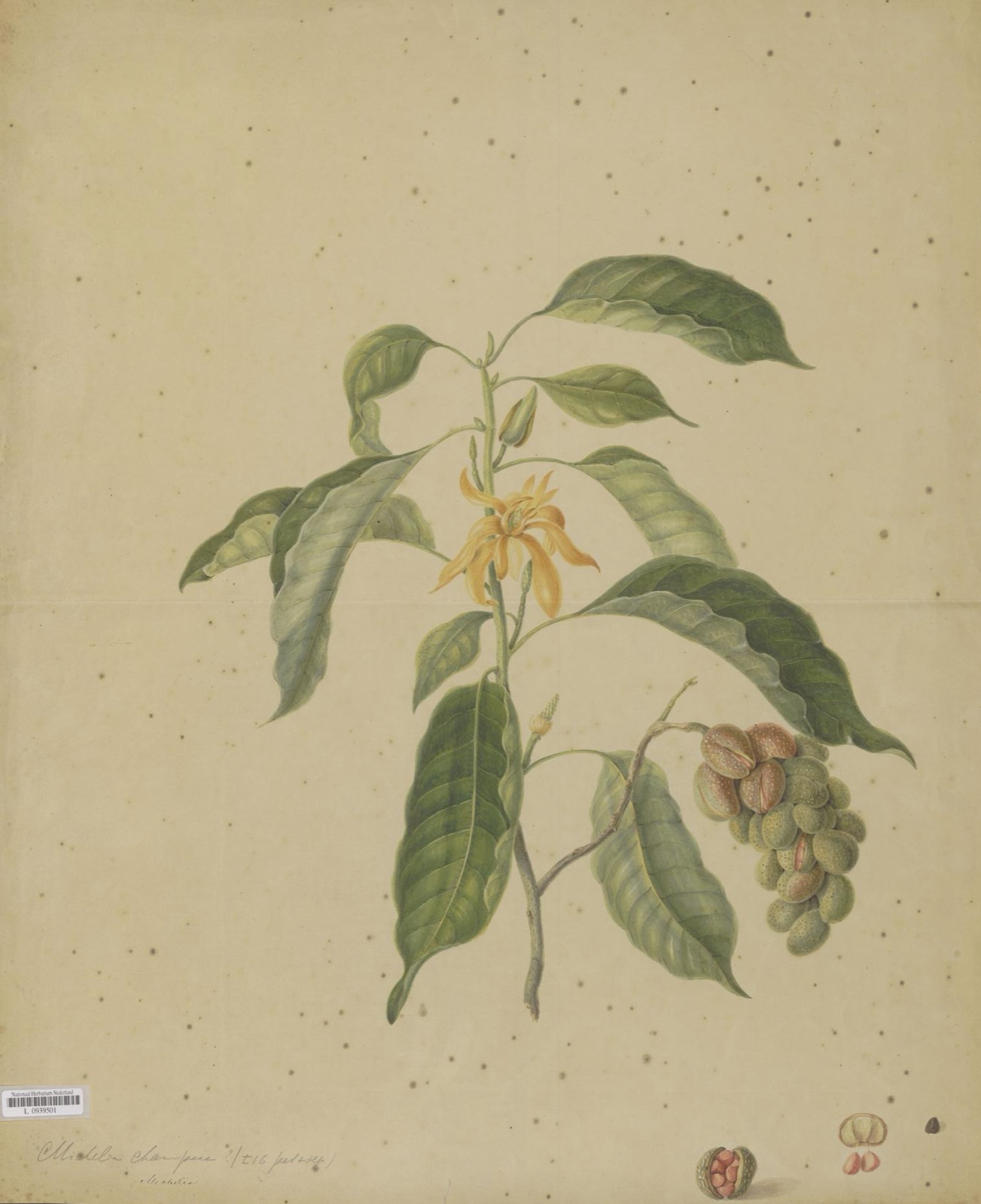
Cempaka is the champak tree, whose orange-yellow flowers carry one of the richest floral scents of the region. Long known as Michelia champaca, it is now placed in Magnolia, and its flowers are grown for the fragrance trade.
Scent & AromaticsRituals & CeremonyBeauty & Skin
 Cendana
Santalum album
English: Sandalwood, East Indian sandalwood
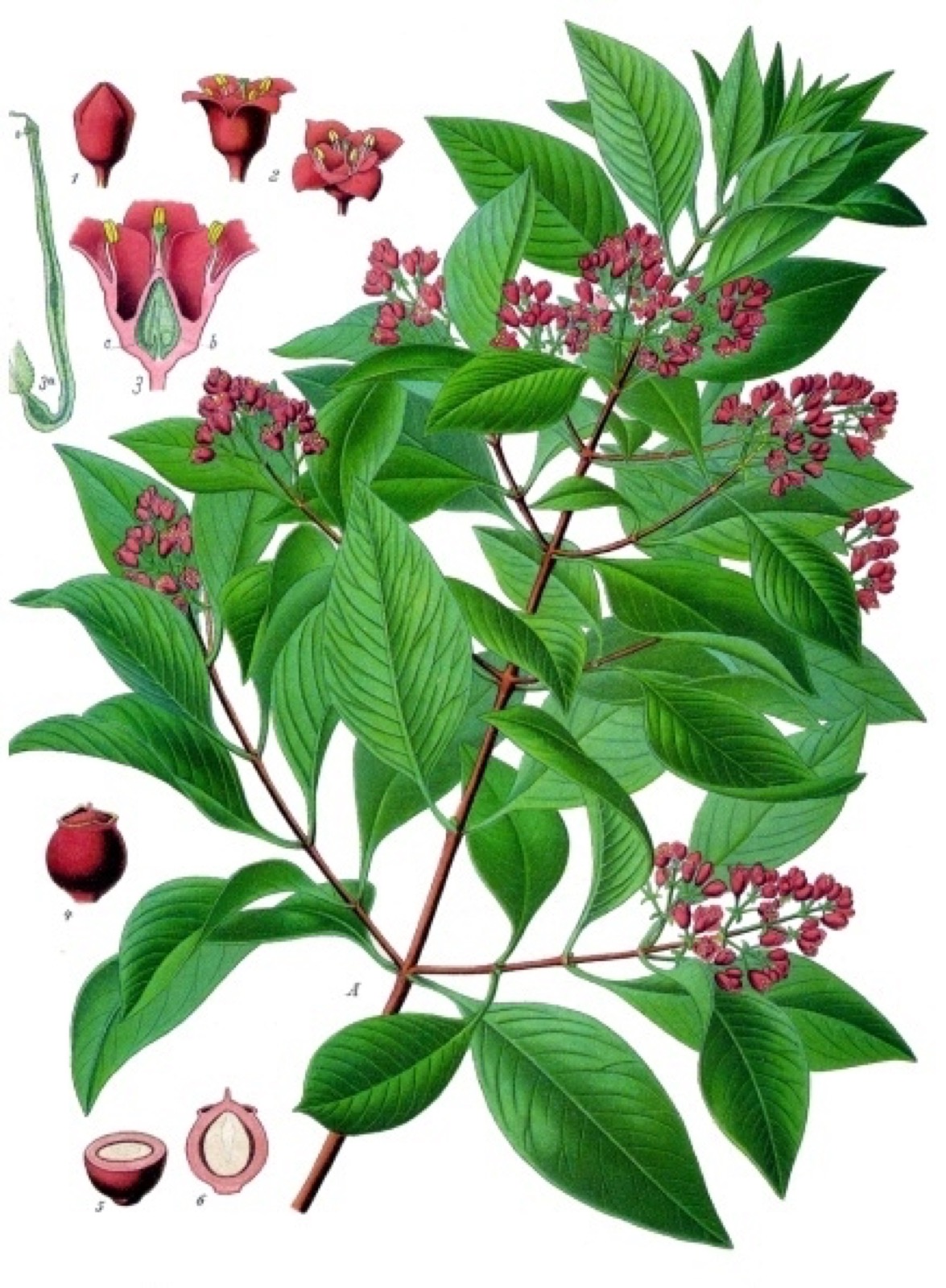
Cendana is sandalwood, the fragrant heartwood of Santalum album, a tree native from Java and the Lesser Sunda Islands to northern Australia. The wood and its oil are used in perfume, incense and cosmetics, and sandalwood oil is also an approved flavour ingredient.
Scent & AromaticsRituals & CeremonySpices & TradeBeauty & Skin
 Inai
Lawsonia inermis
English: Henna
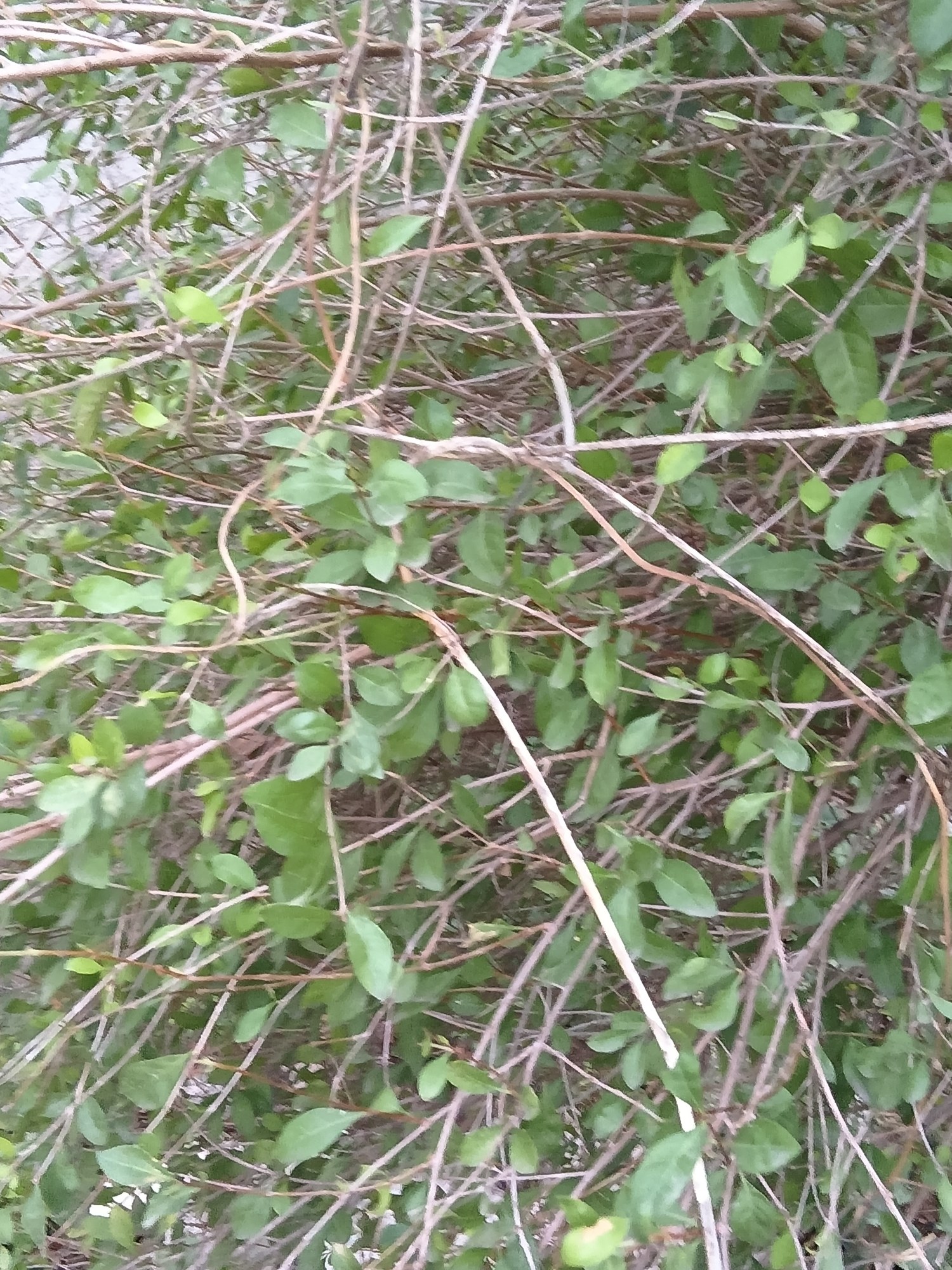
Inai is henna, the shrub whose pounded leaves stain hands and nails a deep orange-red. Its use for adornment and celebration runs through the cultures of Asia and North Africa.
Beauty & SkinRituals & Ceremony
 Kelapa
Cocos nucifera
English: Coconut
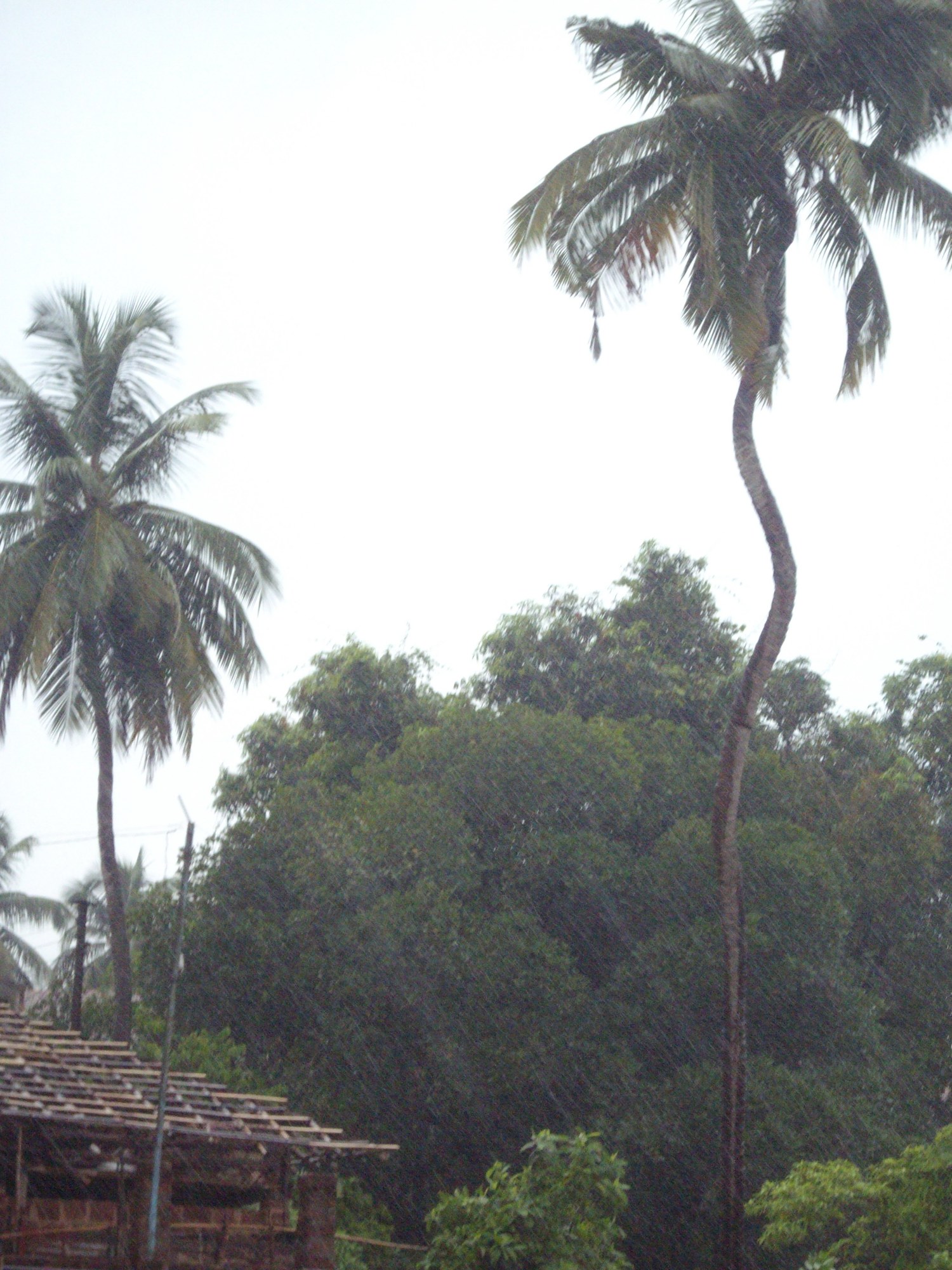
Kelapa, the coconut palm, gives the Nusantara its santan and its cooking oil. POWO gives its native range as central Malesia to the south-west Pacific.
CulinaryBeauty & SkinRituals & Ceremony
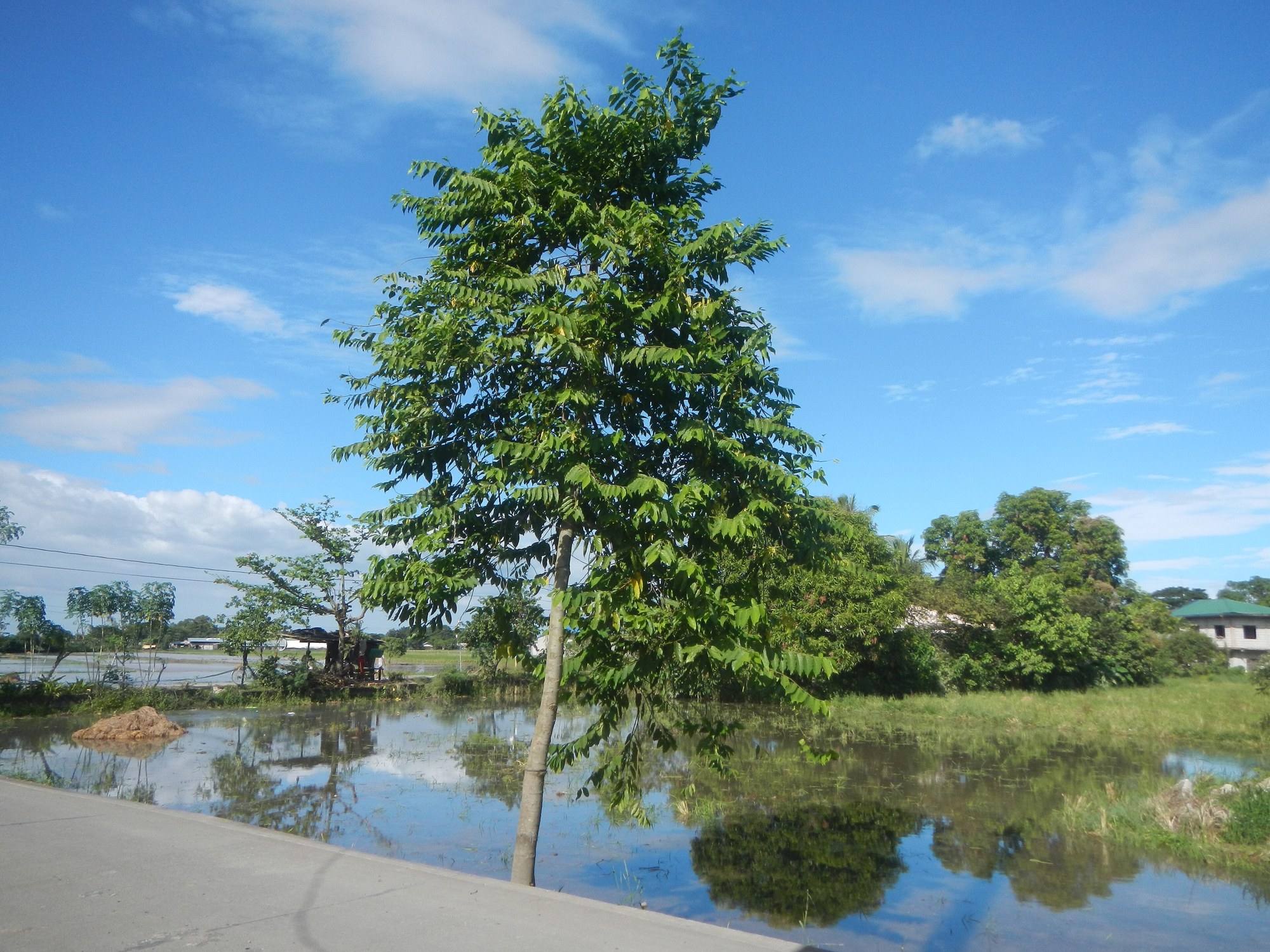 Kenanga
Cananga odorata
English: Ylang-ylang, Cananga
Kenanga is the ylang-ylang tree, native across the whole Nusantara. Its drooping yellow-green flowers are distilled into one of the most important floral oils in perfumery.
Scent & AromaticsBeauty & SkinRituals & Ceremony
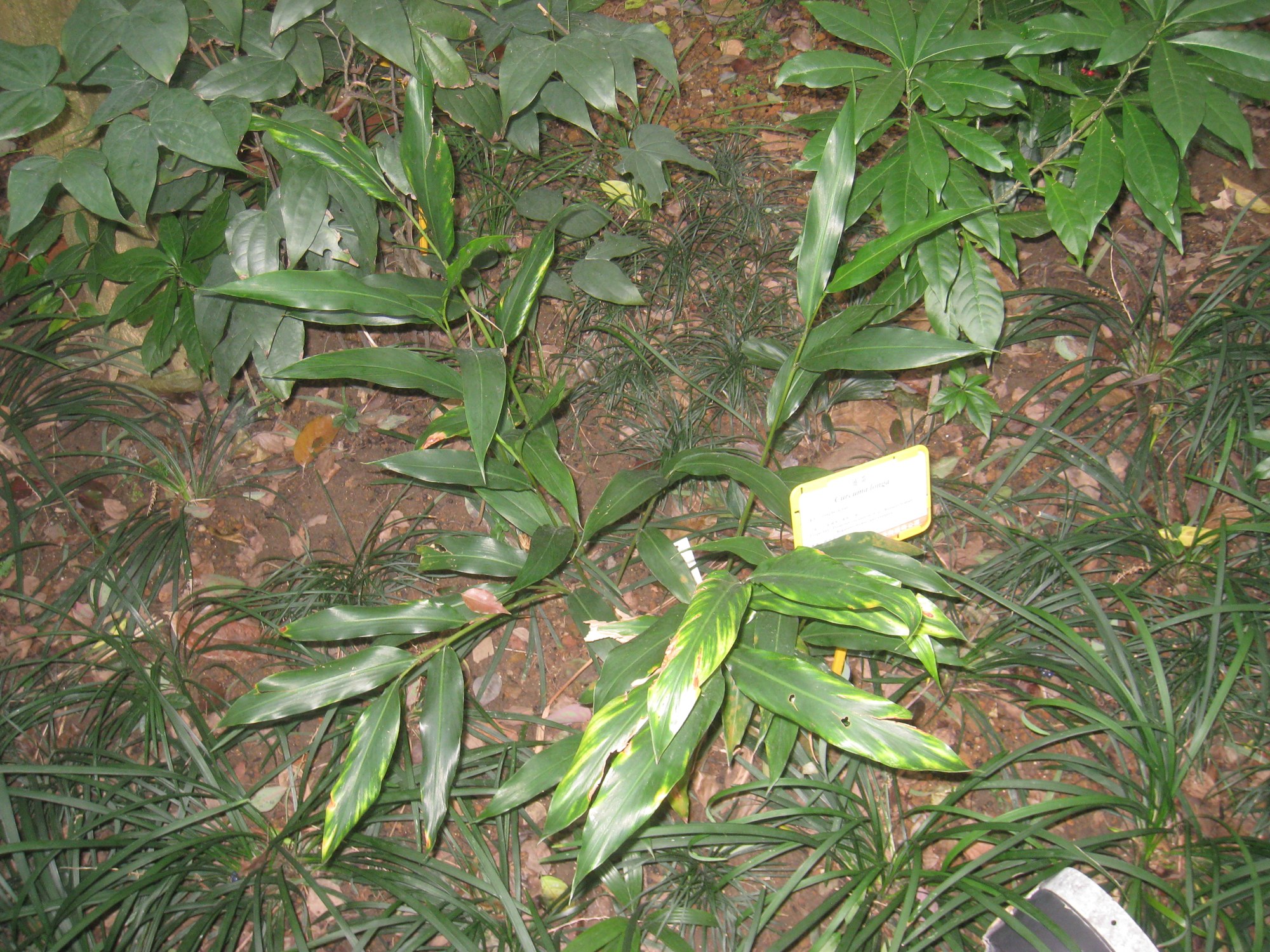 KunyitB
Curcuma longa
English: Turmeric
Oral standardised turmeric extract carries limited clinical evidence in knee osteoarthritis (two randomised trials and a 2016 meta-analysis) [4, 5, 6], but every trial used oral extract at gram doses, not the topical warming pastes of Malay tradition, whose efficacy remains untested.
Health (traditional wellness)CulinaryBeauty & Skin
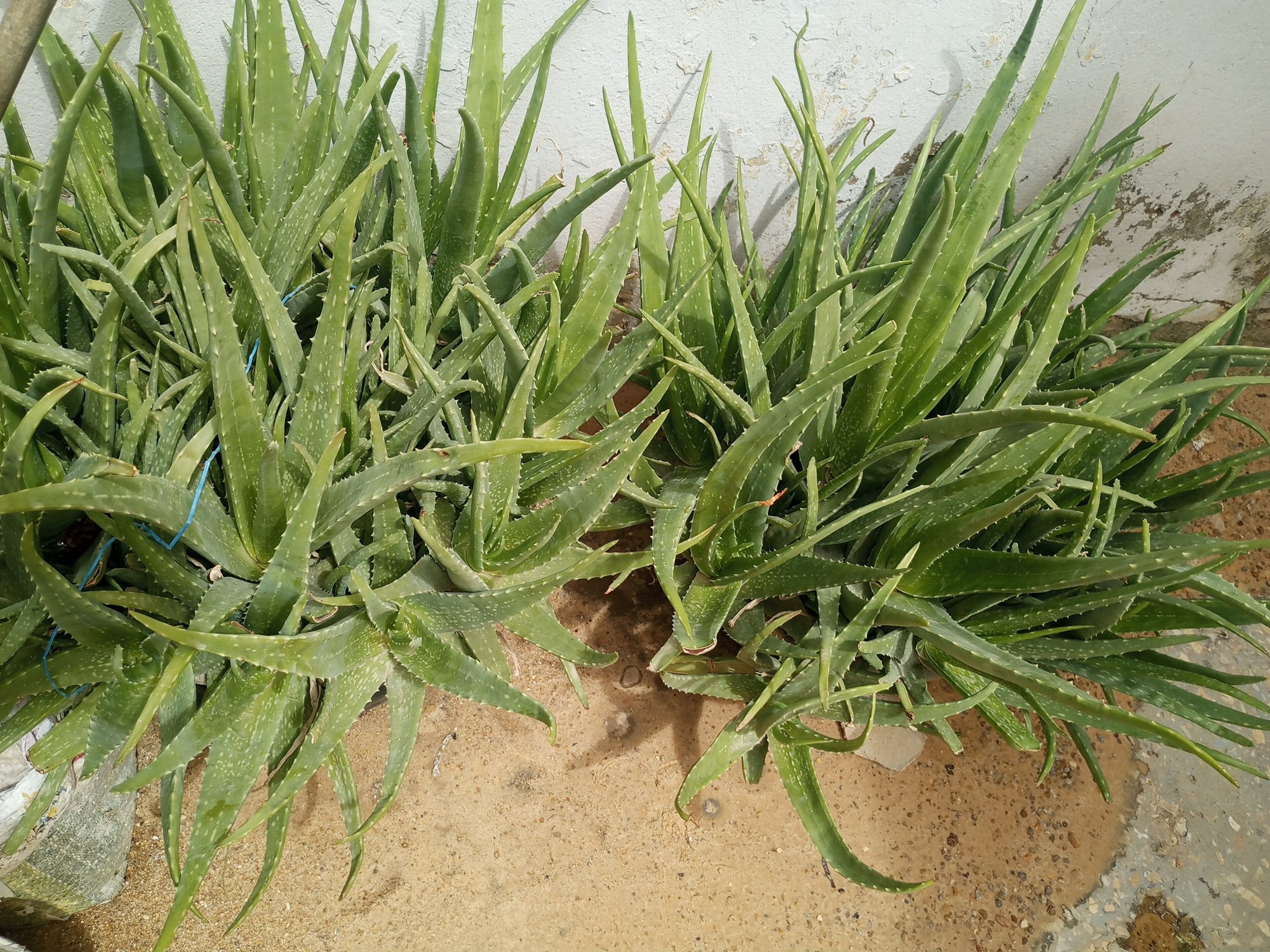 Lidah buayaB
Aloe vera
English: Aloe vera, Aloe
Topical aloe gel carries limited clinical evidence for the care of minor, superficial burns: a 2007 systematic review of four controlled trials and a handful of small comparative studies report shorter times to wound closure [5], but the preparations vary widely and no adequately blinded trial of a standardised gel exists.
Health (traditional wellness)Beauty & Skin
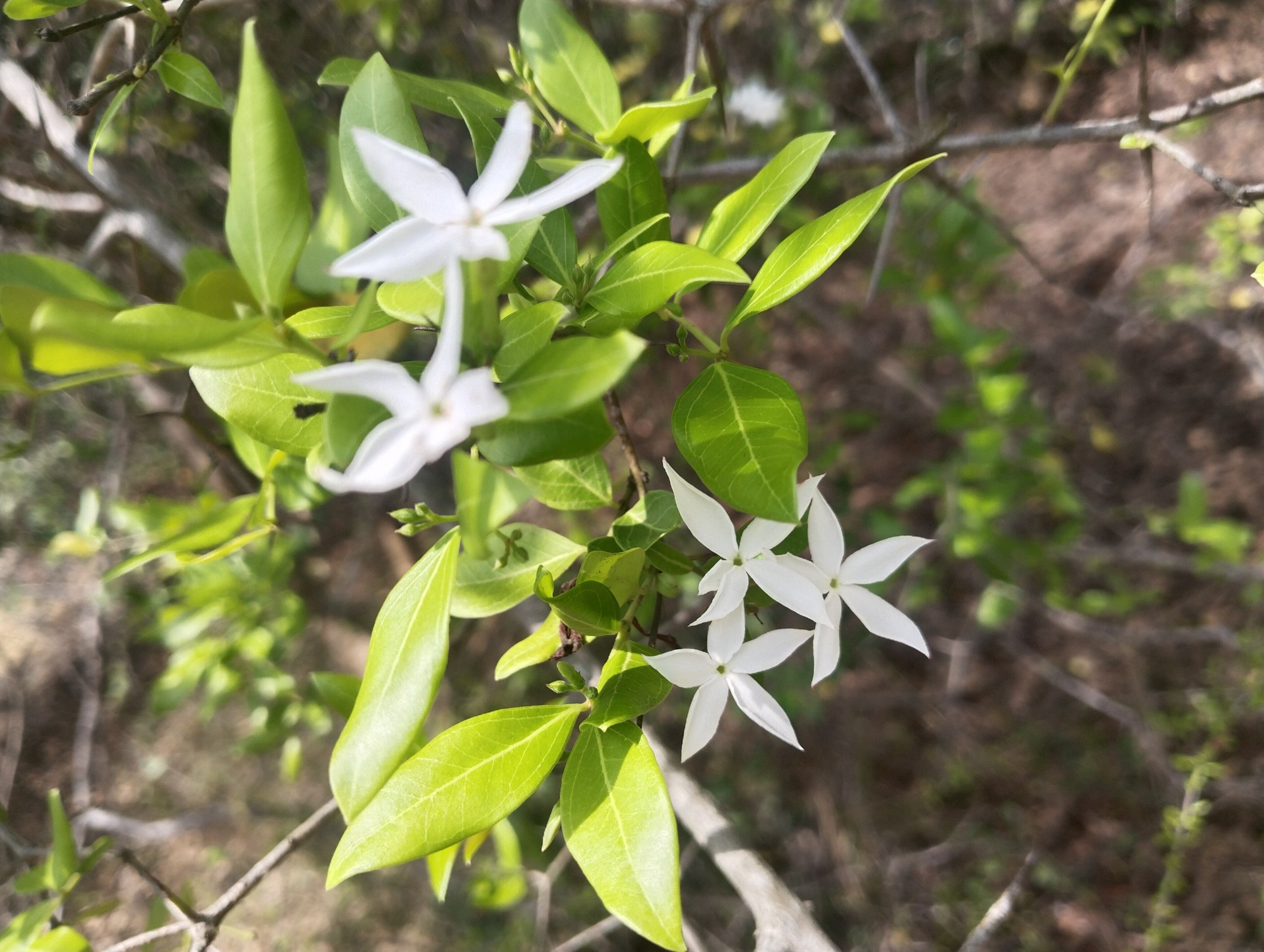 Melur
Jasminum sambac
English: Arabian jasmine, Sambac jasmine
Melur, called melati in Indonesia, is the small, intensely scented white jasmine of Nusantara gardens. Introduced long ago from South Asia, it is used to scent tea and garlands, and its floral notes are well studied.
Scent & AromaticsRituals & CeremonyBeauty & Skin
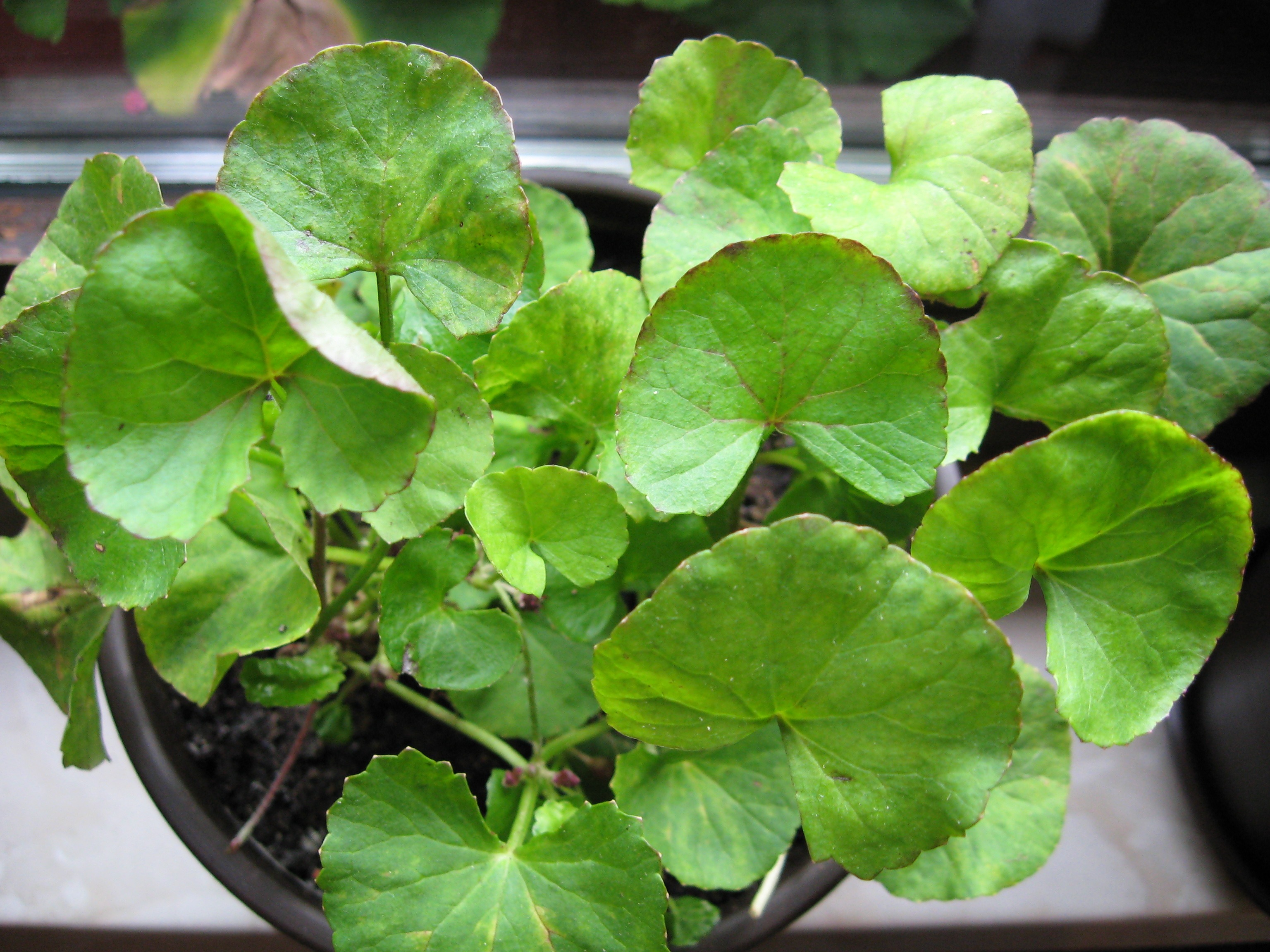 PegagaC
Centella asiatica
English: Asiatic pennywort, Gotu kola
Pegaga's reputation in skin recovery rests on laboratory and animal work on its triterpenes, especially asiaticoside; the human studies that exist are small, mostly unblinded, and largely concern oral extract in clinical wound settings rather than the traditional topical use.
Health (traditional wellness)CulinaryBeauty & Skin