Kenanga
Cananga odorata
ENYlang-ylang, Cananga
- MSKenanga
- IDKenanga
- ENYlang-ylang
Synonyms: Canangium odoratum (Lam.) Baill. ex King, Uvaria odorata Lam.
Family: Annonaceae
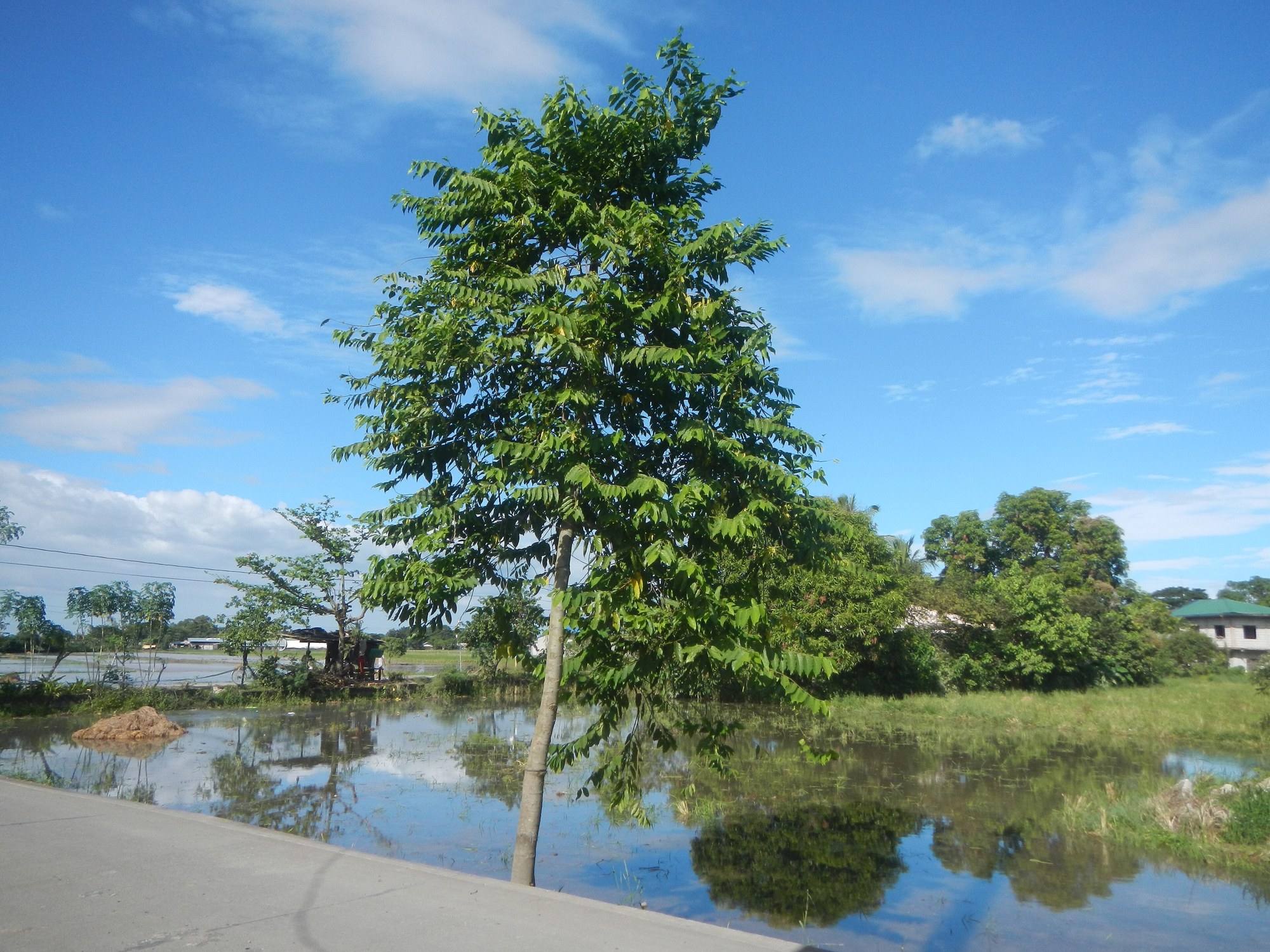
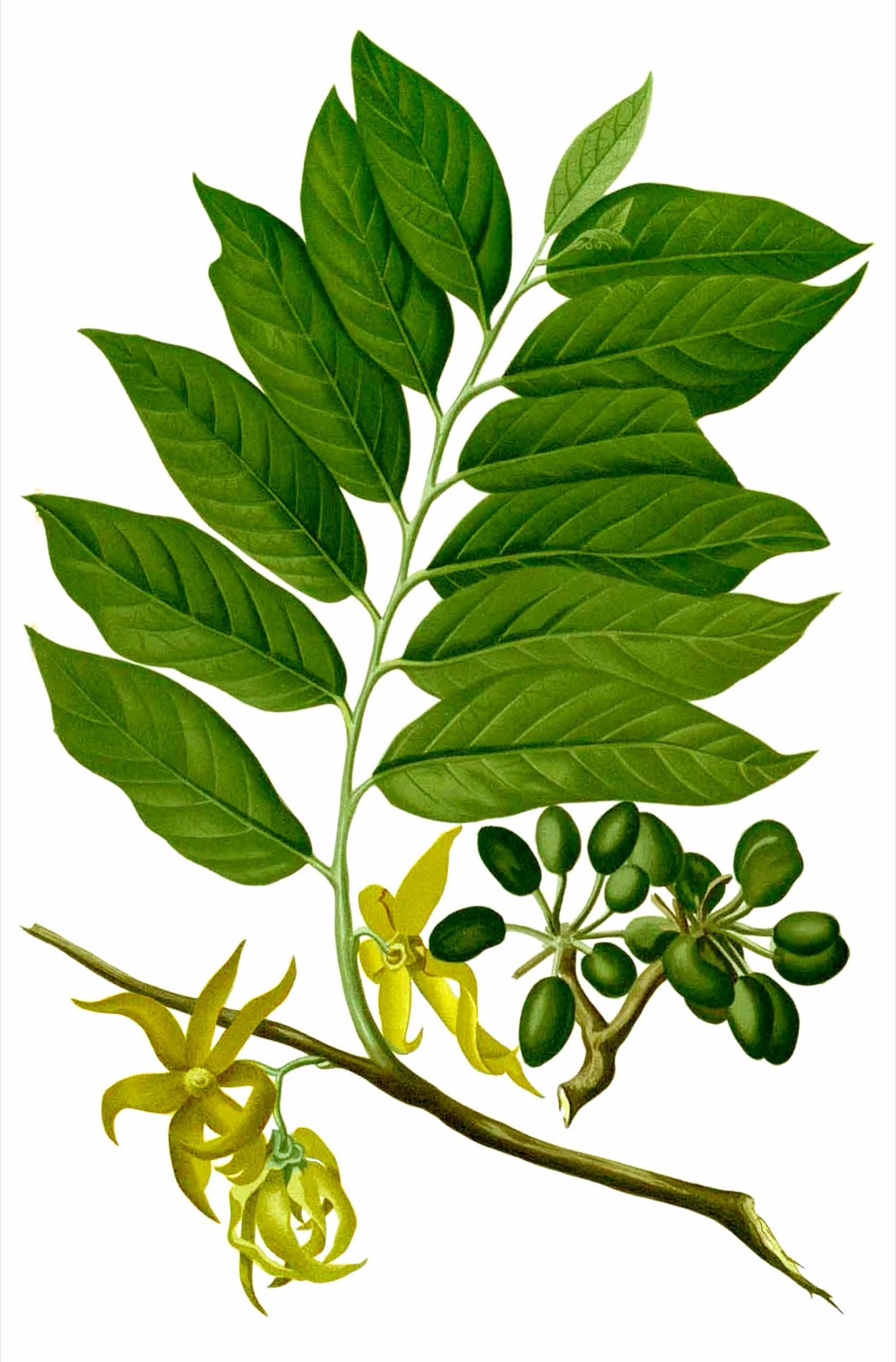
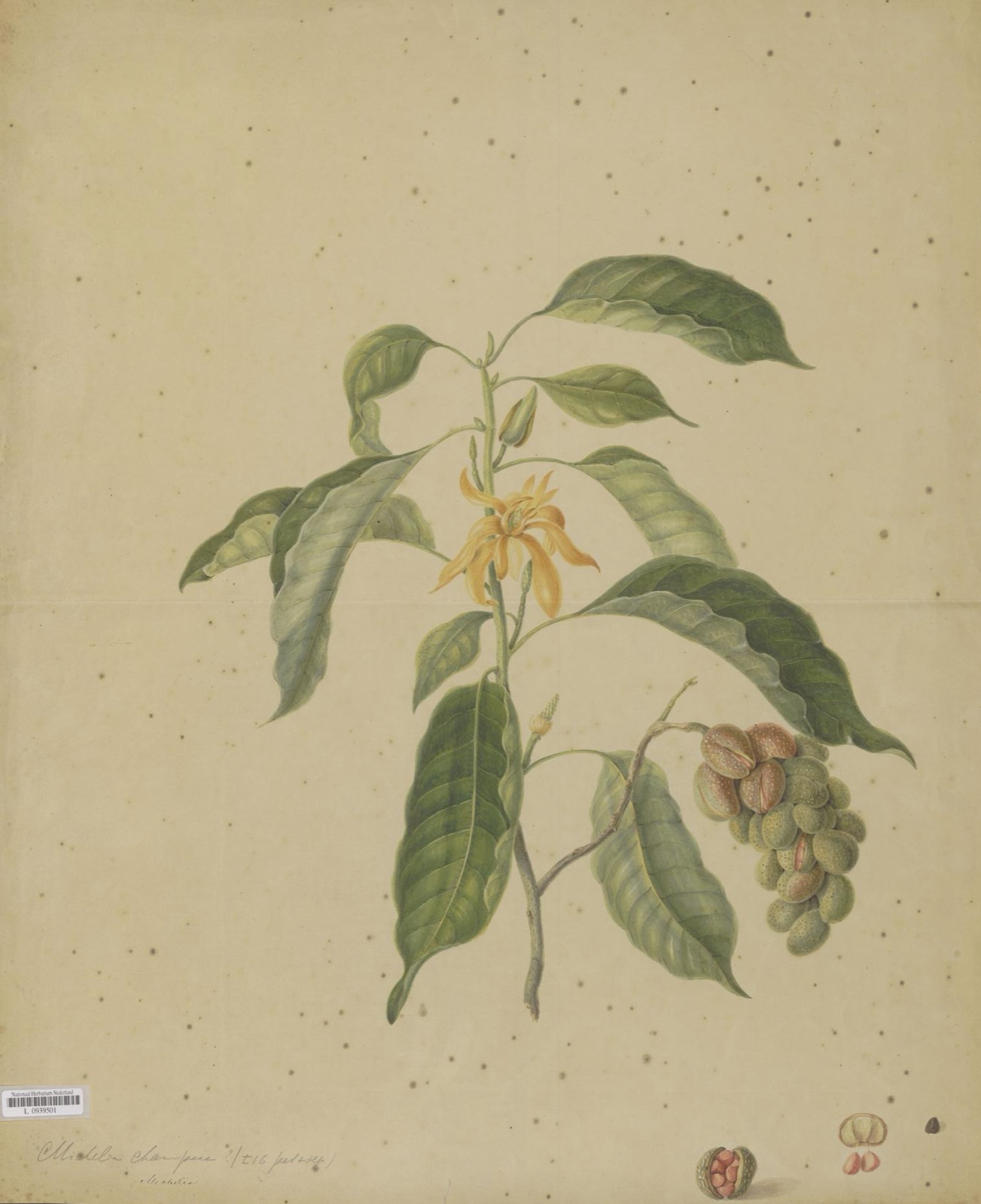
Kenanga is the ylang-ylang tree, native across the whole Nusantara. Its drooping yellow-green flowers are distilled into one of the most important floral oils in perfumery.
- Parts used
- Flower, Essential oil
- Native range
- Native. S. Indo-China to Queensland (POWO/WCVP).
- Habitat
- Garden
- Scent profile
- Floral, Sweet, Spicy
Traditional and heritage uses
Kenanga is native from southern Indo-China through every part of the Malay archipelago to Queensland [1]. Its essential oil has a long commercial history, produced by hydrodistillation, steam distillation and solvent extraction [2].
Scent profile
- Floral Heavy, heady flowers.
- Sweet Creamy, almost custard-like sweetness.
- Spicy A faint clove-like spice.
Beauty and grooming traditions
Ylang-ylang oil holds more than fifty volatile compounds, with linalool among the most prominent [2], and it remains a major ingredient in fine fragrance and personal-care products [2].
Cautions and safety
Contact allergy to ylang-ylang oil is recorded [3]. Animal studies of the inhaled oil [4] are not evidence of effects in people.
This entry is for information only and is not medical advice.
Sources (4)
- POWO (2026). Cananga odorata (Lam.) Hook.f. & Thomson. Plants of the World Online, Royal Botanic Gardens, Kew; distribution from the World Checklist of Vascular Plants. Accessed 18 October 2026. Source
- Shabanloo R, Nowak AM, Stawski D, et al. (2026). A Review on Ylang-Ylang (Cananga odorata) Essential Oil, Its Applications, and Extraction Methods. Molecules 31(18). Source
- de Groot AC, Schmidt E (2017). Essential Oils, Part VI: Sandalwood Oil, Ylang-Ylang Oil, and Jasmine Absolute. Dermatitis 28(1): 14-21. Source
- Zhang N, Wang ST, Yao L (2023). Inhalation of Cananga odorata essential oil relieves anxiety behaviors in autism-like rats via regulation of serotonin and dopamine metabolism. J Integr Med 21(2): 205-214. Source