Kapur barus
Dryobalanops aromatica
ENBorneo camphor, Sumatran camphor
- MSKapur barus
- IDKapur barus
- ENBorneo camphor
Synonym: Dryobalanops camphora Colebr.
Family: Dipterocarpaceae
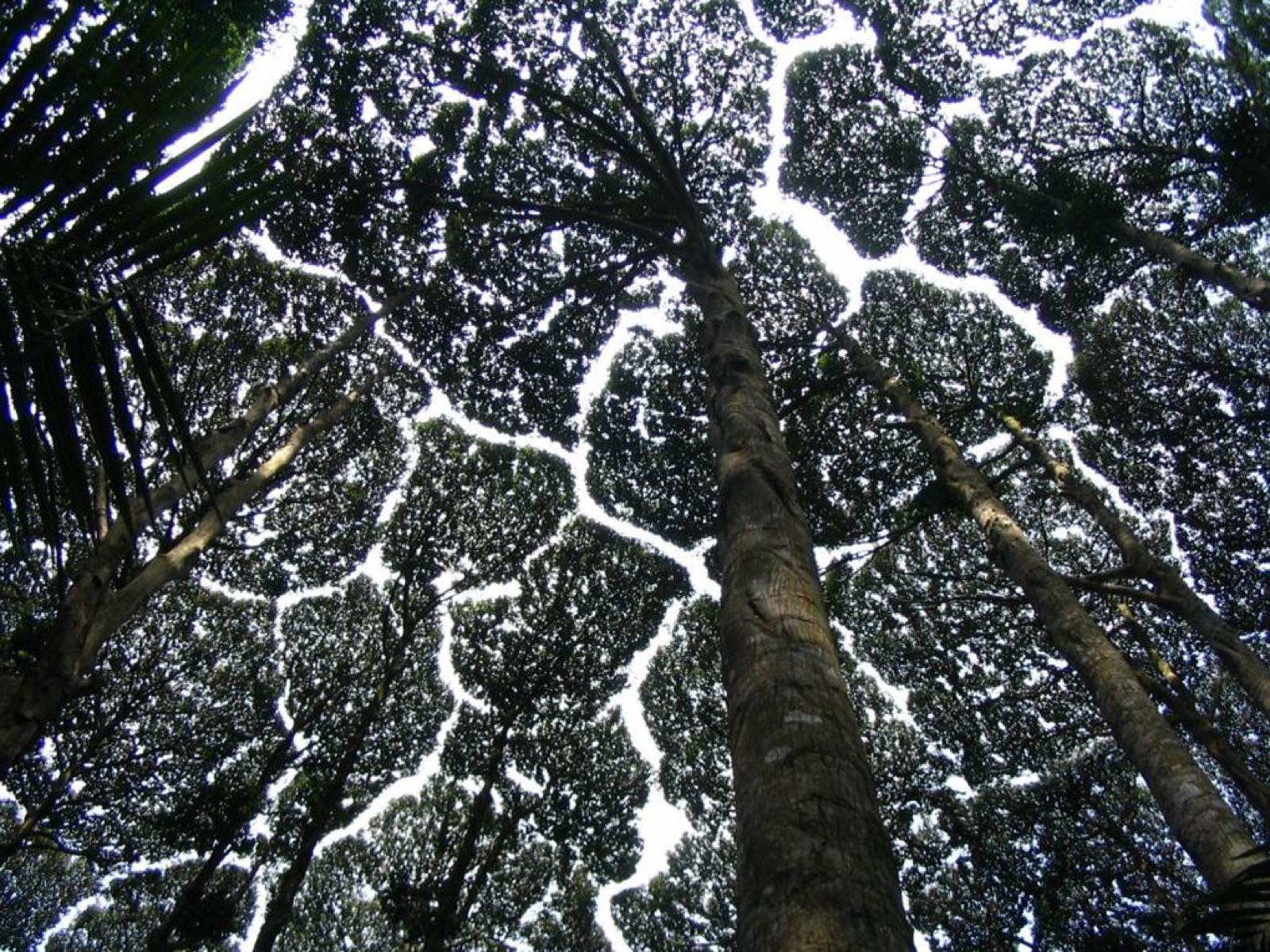
Kapur barus is the camphor tree of the forests of Sumatra, Borneo and Peninsular Malaysia. It is described as a vulnerable species, exploited for both its timber and its resin.
- Parts used
- Resin wood
- Native range
- Native. W. Malesia (POWO/WCVP).
- Habitat
- Forest
- Scent profile
- Camphoraceous, Woody, Earthy
- Conservation
- Published assessment: Described as vulnerable in the cited study
Traditional and heritage uses
The tree is a vulnerable tropical species, exploited for its timber and for a resin used medicinally [2]. Its high borneol content makes it a raw material for spices and medicine in China [3].
Scent profile
- Camphoraceous Cool, sharp camphor.
- Woody Dry wood.
- Earthy A faint earthy depth.
Trade history
Dryobalanops aromatica is native to western Malesia: Peninsular Malaysia, Sumatra and Borneo [1]. Camphor is obtained from the Sumatran camphor tree [4].
Cautions and safety
Small amounts of camphor have caused serious poisoning in young children [5]; keep it out of their reach. Use it only as a scent material, not as food or medicine.
This entry is for information only and is not medical advice.
Conservation
- Published assessment
- Described as vulnerable in the cited study, 2023 [2]
Sources (5)
- POWO (2026). Dryobalanops aromatica C.F.Gaertn.. Plants of the World Online, Royal Botanic Gardens, Kew; distribution from the World Checklist of Vascular Plants. Accessed 18 October 2026. Source
- Rahmah TN, Dwiyanti FG, Rafi M, et al. (2023). Effects of two contrasting potting media on the leaf development index, photosynthetic rate, and metabolite profile of camphor (Dryobalanops aromatica) seedlings. Heliyon 9(2): e12488. Source
- Wang J, Huang W, Cai S, et al. (2021). The complete chloroplast genome sequence of Dryobalanops aromatica. Mitochondrial DNA B Resour 6(6): 1687-1688. Source
- Cahyana AH, Santika G, Phukan K (2023). Synthesis of camphor thiazole derivates from Dryobalanops aromatica and its bioactivity as antioxidants and antidiabetes against alpha glucosidase enzymes. MethodsX 11: 102429. Source
- Love JN, Sammon M, Smereck J (2004). Are one or two dangerous? Camphor exposure in toddlers. J Emerg Med 27(1): 49-54. Source