Kayu manis
Cinnamomum burmanni
ENIndonesian cinnamon, Padang cassia
- MSKayu manis
- IDKayu manis
- ENIndonesian cinnamon
Synonym: Cinnamomum burmanni var. chinense (Blume) Meisn.
Family: Lauraceae
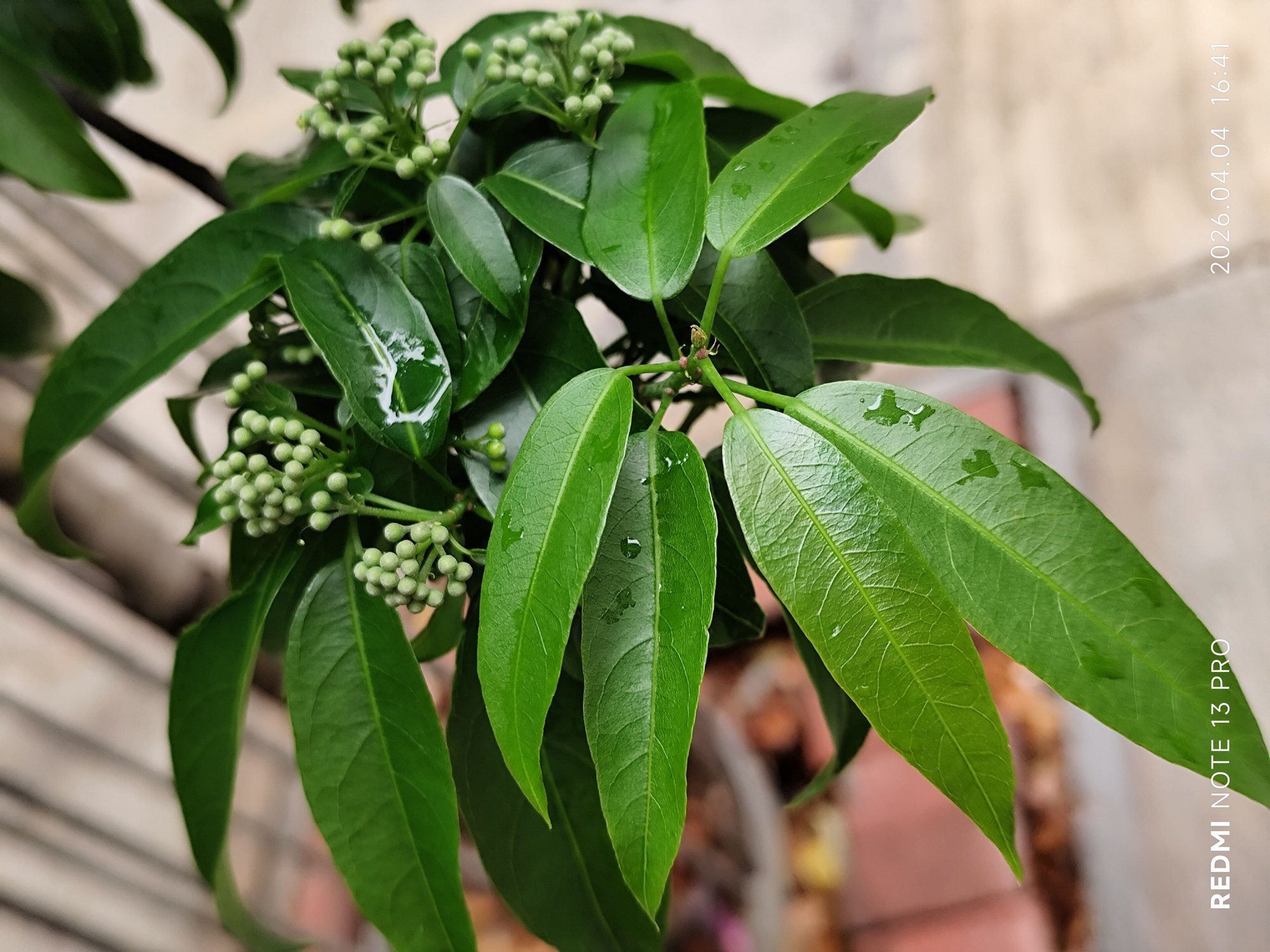
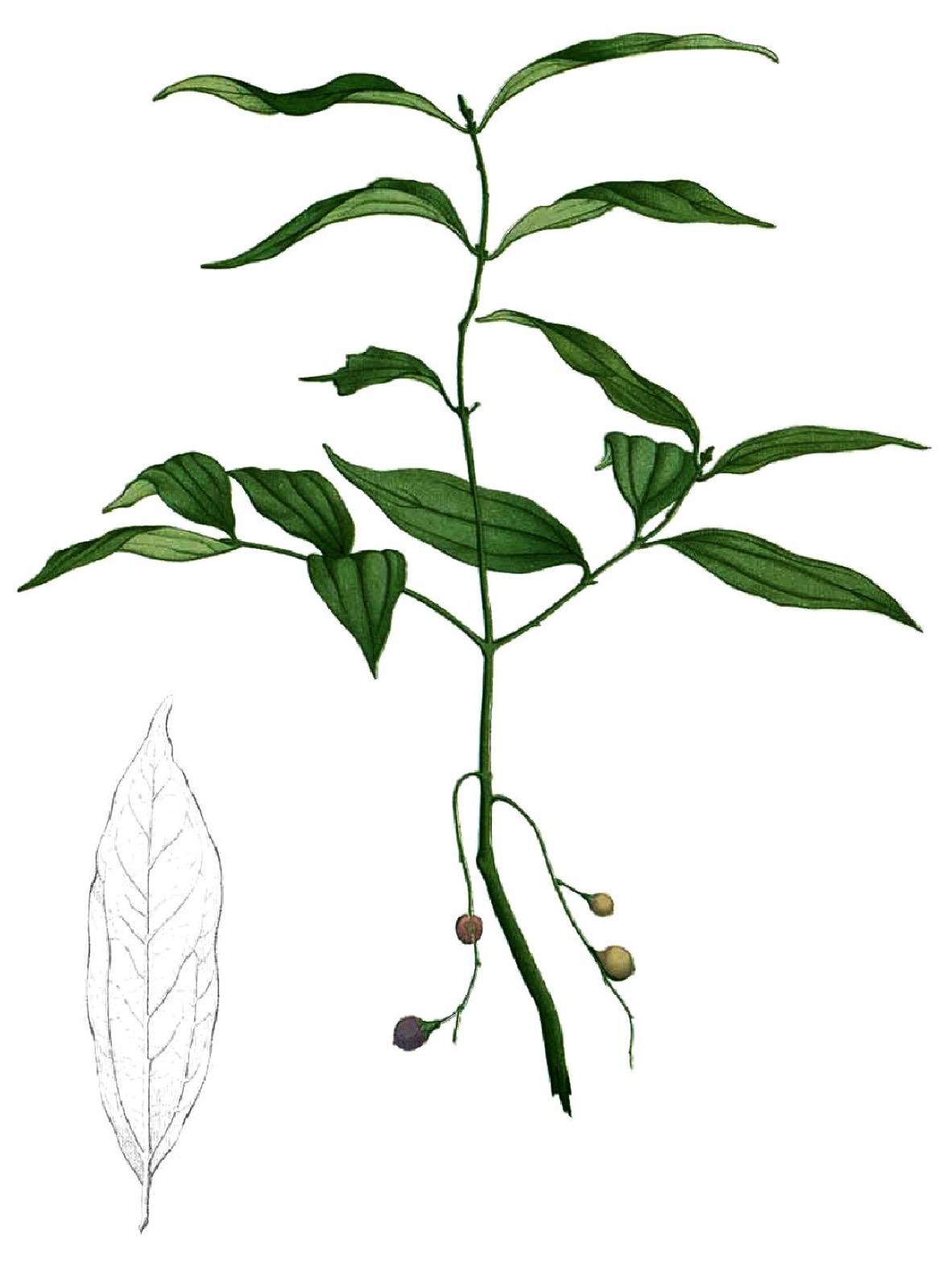
Kayu manis here is Cinnamomum burmanni, the Indonesian cinnamon, a tree native to Sumatra, Java, Borneo and neighbouring islands. Its bark is used as a spice.
- Parts used
- Bark
- Native range
- Native. S. China to W. & C. Malesia (POWO/WCVP).
- Habitat
- Forest
- Scent profile
- Spicy, Woody, Sweet
Traditional and heritage uses
The tree is native from southern China through western and central Malesia, including Sumatra, Java and Borneo [1]. In Bali it is one of the plants used in loloh, the island's traditional herbal drinks [2].
Scent profile
- Spicy Sweet, warm cinnamon.
- Woody Dry bark.
- Sweet A rounded sweetness.
In the kitchen
Cinnamomum burmanni is traditionally used as a spice [3]. Its bark contains cinnamaldehyde, cinnamic acid and coumarin among other constituents [3].
Cautions and safety
Cassia-type cinnamon contains coumarin, which harms the liver in a susceptible minority of people; a tolerable daily intake of 0.1 mg per kg body weight has been set [4].
This entry is for information only and is not medical advice.
Sources (4)
- POWO (2026). Cinnamomum burmanni (Nees & T.Nees) Blume. Plants of the World Online, Royal Botanic Gardens, Kew; distribution from the World Checklist of Vascular Plants. Accessed 18 October 2026. Source
- Sujarwo W, Keim AP, Savo V, et al. (2015). Ethnobotanical study of Loloh: Traditional herbal drinks from Bali (Indonesia). J Ethnopharmacol 169: 34-48. Source
- Al-Dhubiab BE (2012). Pharmaceutical applications and phytochemical profile of Cinnamomum burmannii. Pharmacogn Rev 6(12): 125-31. Source
- Abraham K, Wöhrlin F, Lindtner O, et al. (2010). Toxicology and risk assessment of coumarin: focus on human data. Mol Nutr Food Res 54(2): 228-39. Source