Dictionary entry
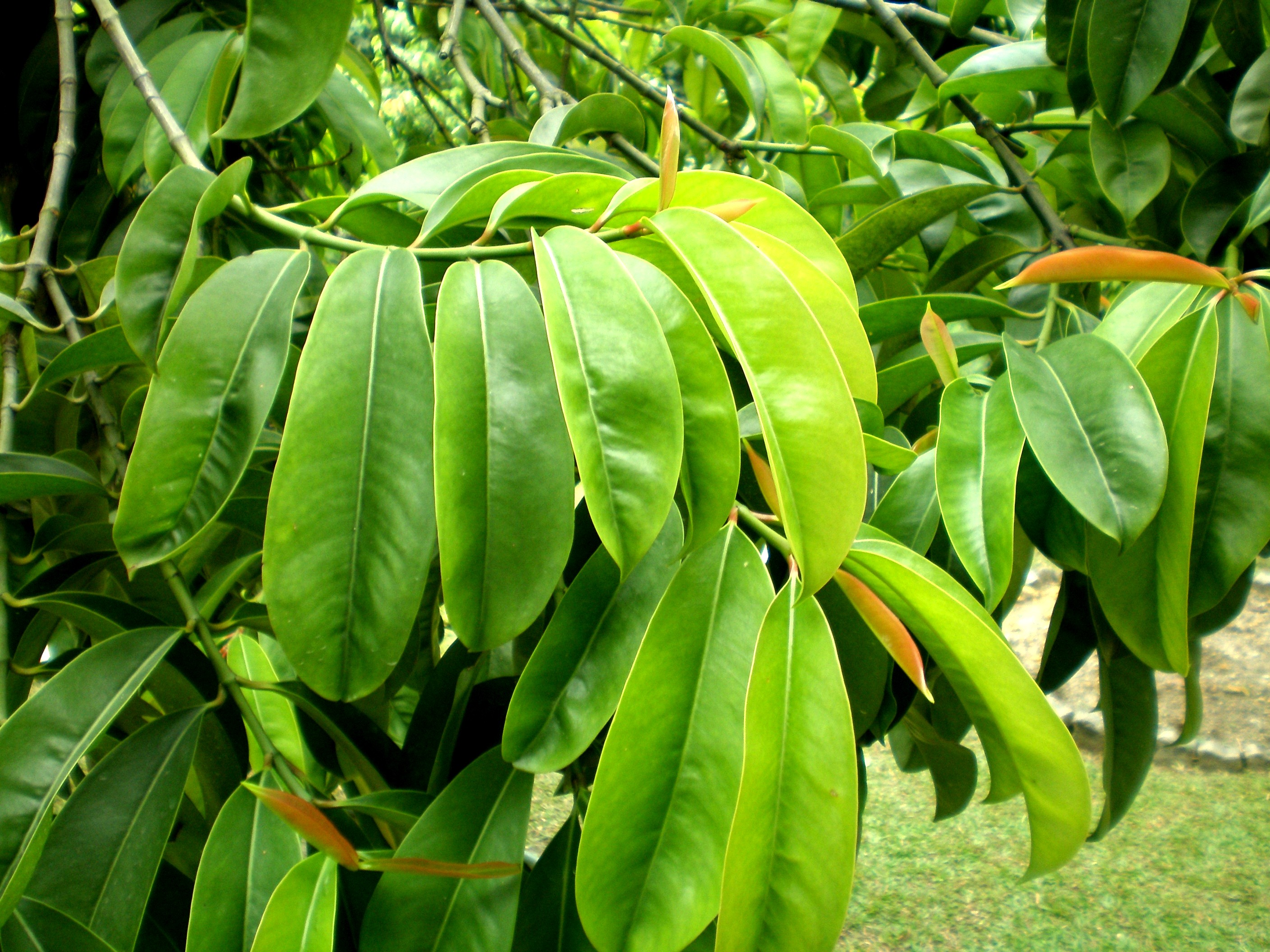
Manggis
Garcinia mangostana
ENMangosteen
- MSManggis
- IDManggis
- ENMangosteen
Synonym: Mangostana garcinia Gaertn.
Family: Clusiaceae
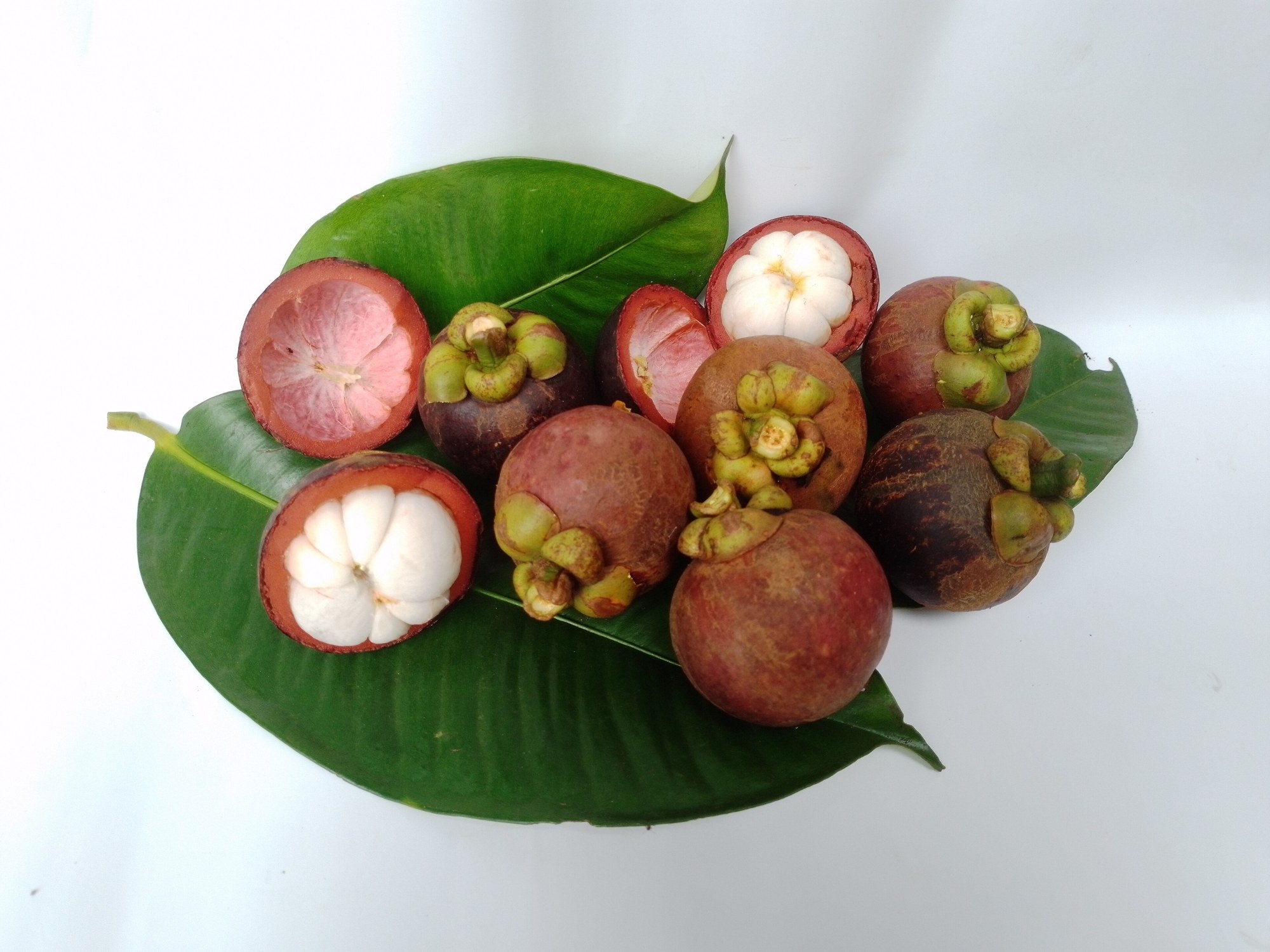
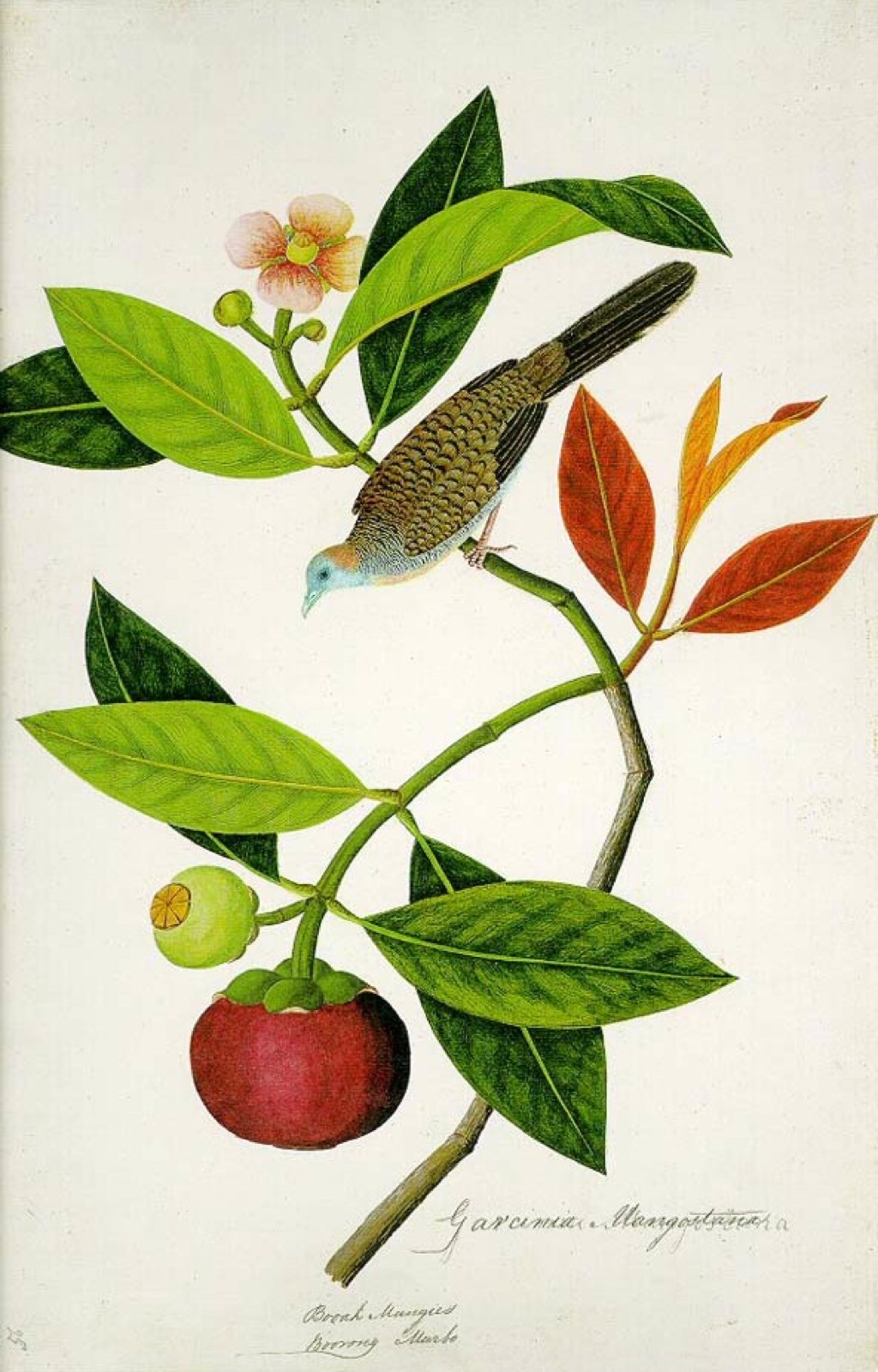
Manggis, the mangosteen, has sweet-sour white segments inside a thick purple rind. POWO gives its native range as Peninsular Malaysia and Borneo.
- Parts used
- Fruit
- Native range
- Native. Pen. Malaysia, Borneo (POWO/WCVP).
- Habitat
- Garden
Traditional and heritage uses
Traditionally the mangosteen has been used for skin infections and wounds, and it has been developed into a widely used nutraceutical [2].
In the kitchen
Garcinia mangostana is native to Peninsular Malaysia and Borneo and introduced elsewhere in the archipelago [1]. Its fruit is eaten fresh.
Cautions and safety
The fruit is a food. Rind extracts sold as supplements have mostly been studied in the laboratory and in animals [3], which is not evidence of effects in people.
This entry is for information only and is not medical advice.
Sources (3)
- POWO (2026). Garcinia mangostana L.. Plants of the World Online, Royal Botanic Gardens, Kew; distribution from the World Checklist of Vascular Plants. Accessed 18 October 2026. Source
- Obolskiy D, Pischel I, Siriwatanametanon N, et al. (2009). Garcinia mangostana L.: a phytochemical and pharmacological review. Phytother Res 23(8): 1047-65. Source
- Tousian Shandiz H, Razavi BM, Hosseinzadeh H (2017). Review of Garcinia mangostana and its Xanthones in Metabolic Syndrome and Related Complications. Phytother Res 31(8): 1173-1182. Source