Petai
Parkia speciosa
ENStink bean, Bitter bean
- MSPetai
- IDPete
- ENStink bean
Synonym: Acacia graveolens Jack
Family: Fabaceae
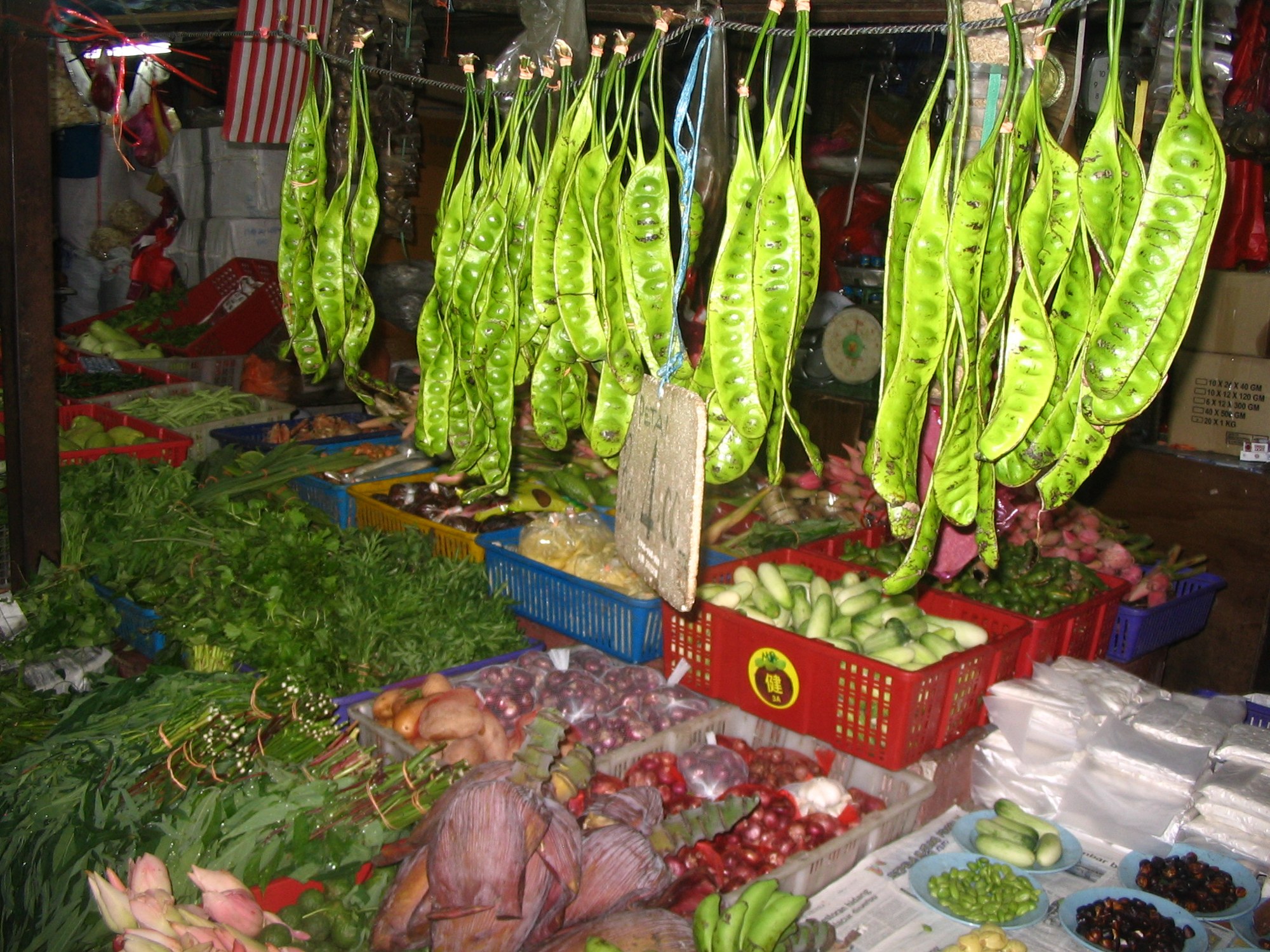
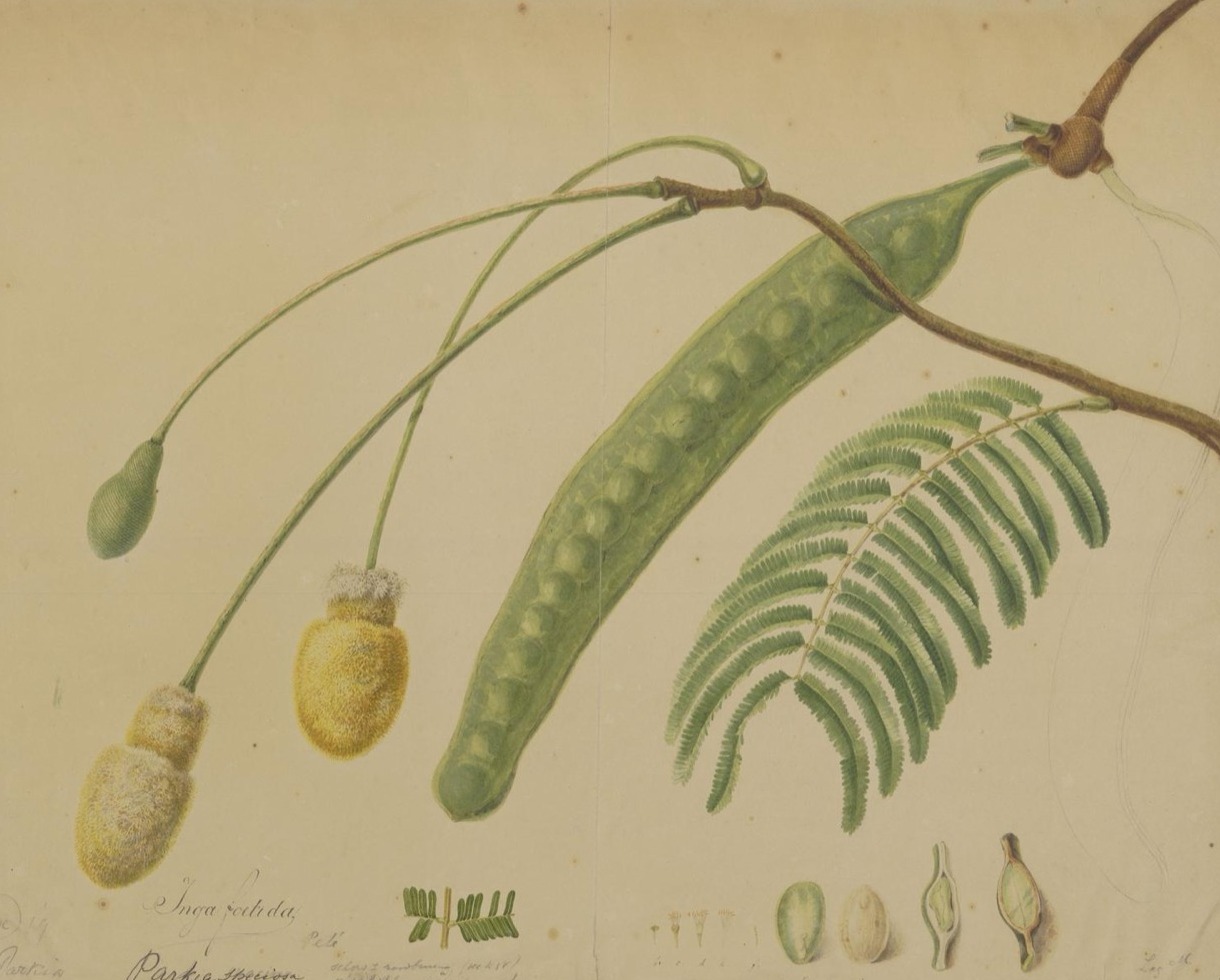
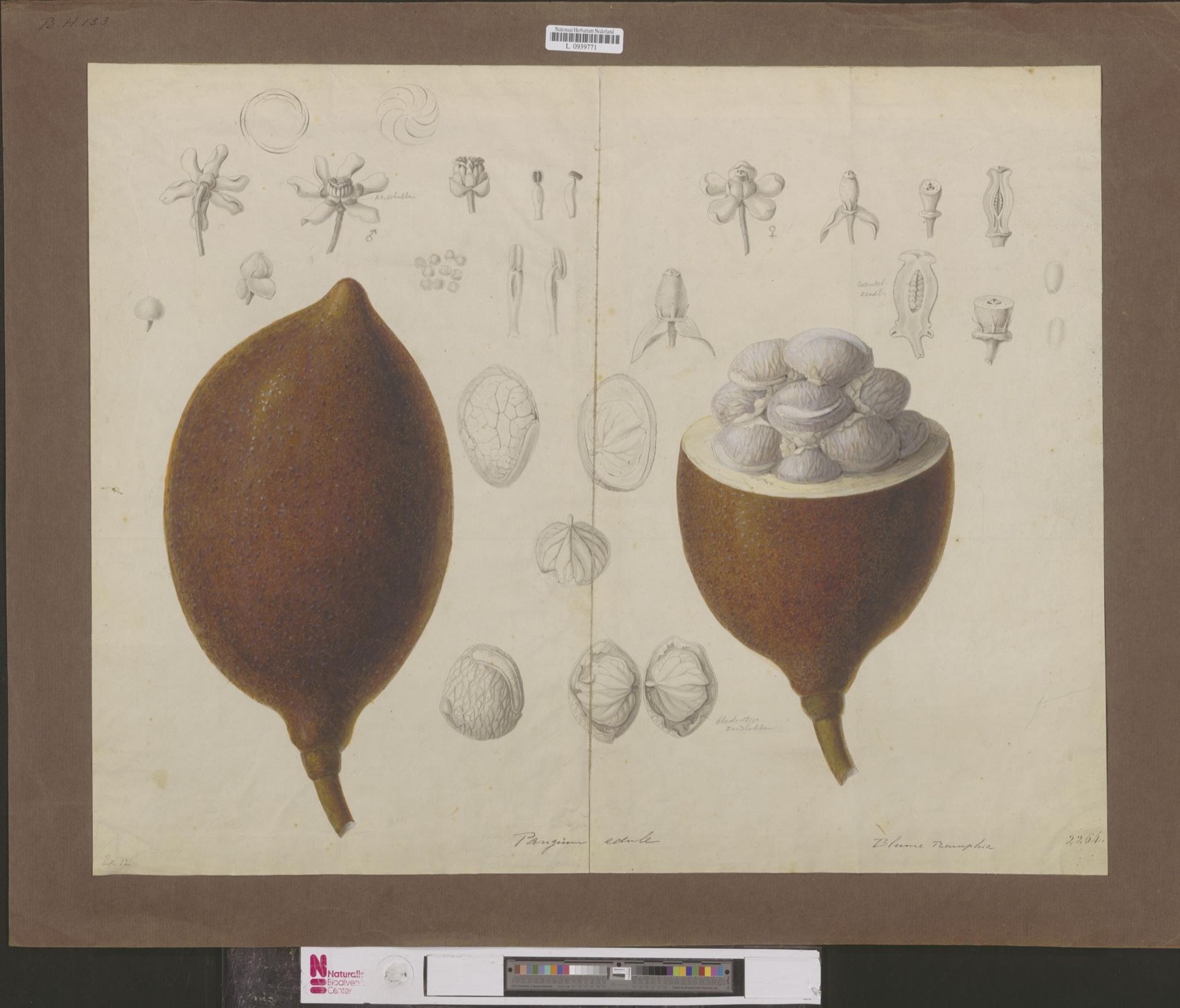
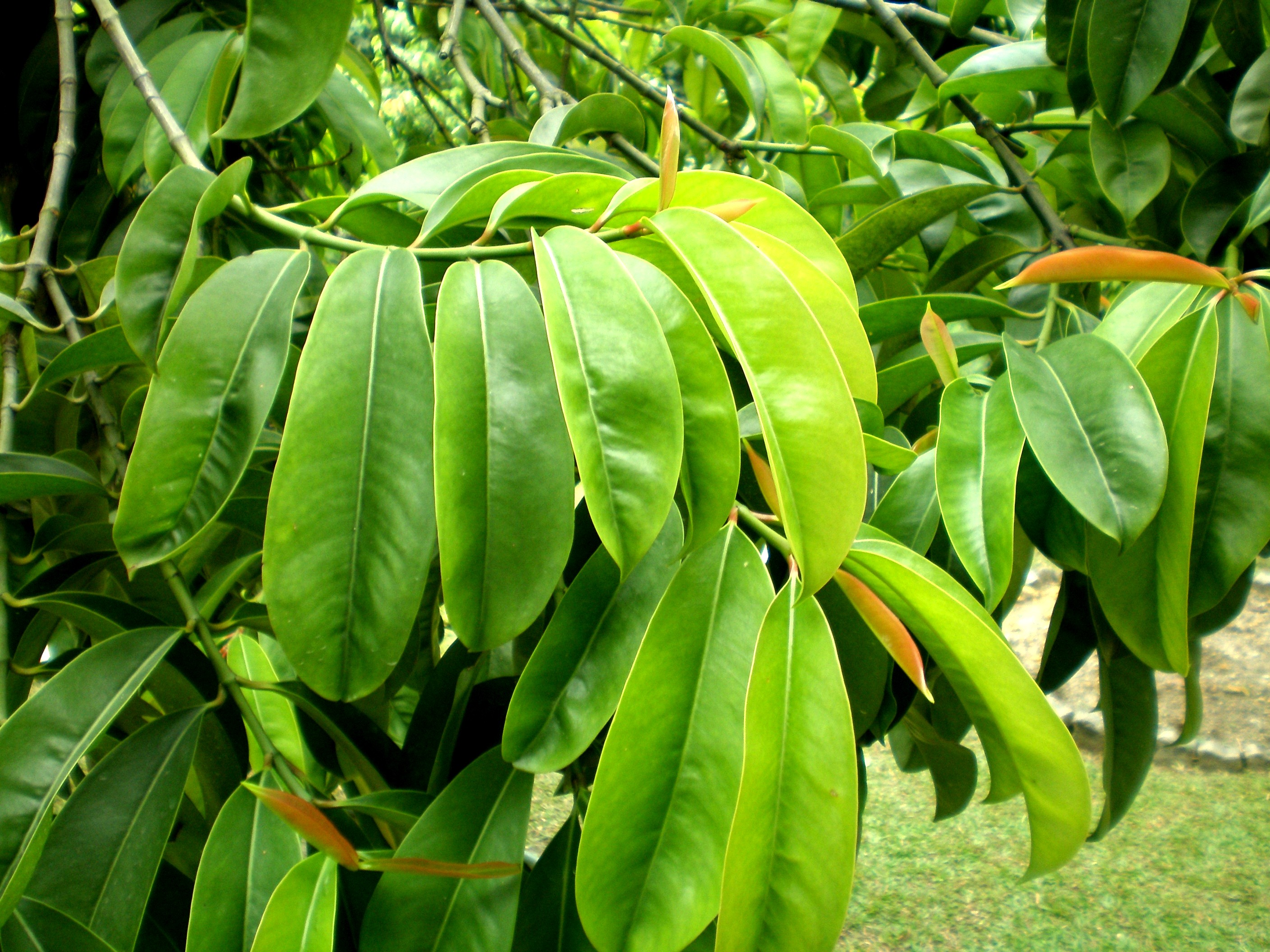
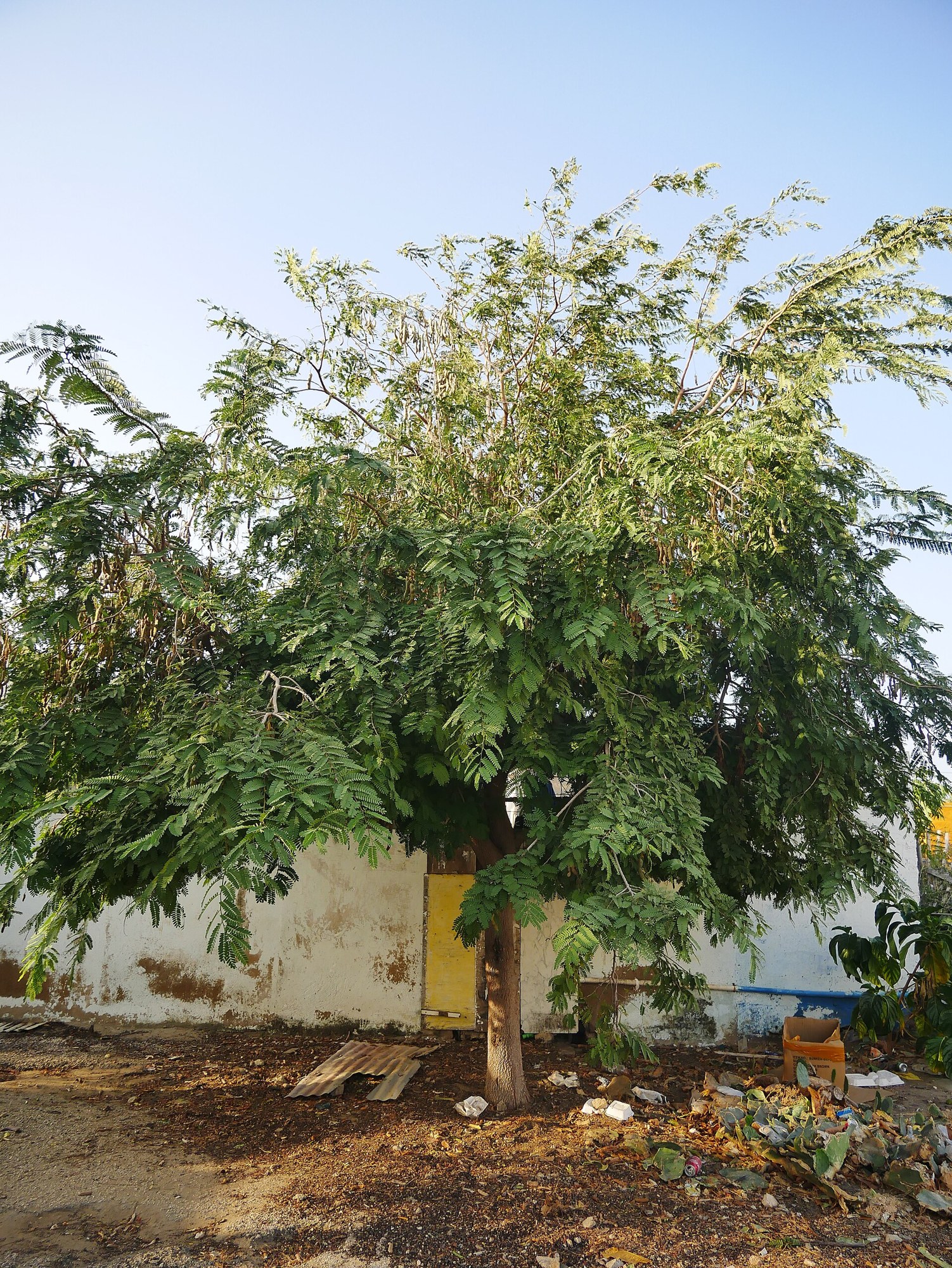
Petai is the native legume tree whose long pods hold bright green, pungent seeds used in Southeast Asian cooking. It grows from Thailand through western and central Malesia.
- Parts used
- Seed
- Native range
- Native. Thailand to W. & C. Malesia (POWO/WCVP).
- Habitat
- Forest
Traditional and heritage uses
The tree is native from Thailand to western and central Malesia, including Peninsular Malaysia, Sumatra, Java, Borneo and the Philippines [1]. Studies of its pods and seeds are in the laboratory and in animals [2].
In the kitchen
Parkia speciosa is commonly used in Southeast Asian cooking [3]. Its seeds, with or without the pods, are also used in local traditional medicine [4].
Cautions and safety
Petai is eaten as food. Laboratory and animal studies [2] are not evidence of effects in people.
This entry is for information only and is not medical advice.
Sources (4)
- POWO (2026). Parkia speciosa Hassk.. Plants of the World Online, Royal Botanic Gardens, Kew; distribution from the World Checklist of Vascular Plants. Accessed 18 October 2026. Source
- Kamisah Y, Zuhair JSF, Juliana AH, et al. (2017). Parkia speciosa empty pod prevents hypertension and cardiac damage in rats given N(G)-nitro-l-arginine methyl ester. Biomed Pharmacother 96: 291-298. Source
- Samrit T, Changklungmao N, Sangpairoj K, et al. (2024). Ethanolic extract of Parkia speciosa pods exhibits antioxidant and anti-inflammatory properties in lipopolysaccharide-induced murine macrophages by inhibiting the p38 MAPK pathway. Heliyon 10(20): e39641. Source
- Azemi AK, Nordin ML, Hambali KA, et al. (2022). Phytochemical Contents and Pharmacological Potential of Parkia speciosa Hassk. for Diabetic Vasculopathy: A Review. Antioxidants (Basel) 11(2). Source