
The kampung kitchen
Everyday aromatics and souring agents of Malay and Indonesian cooking.
-
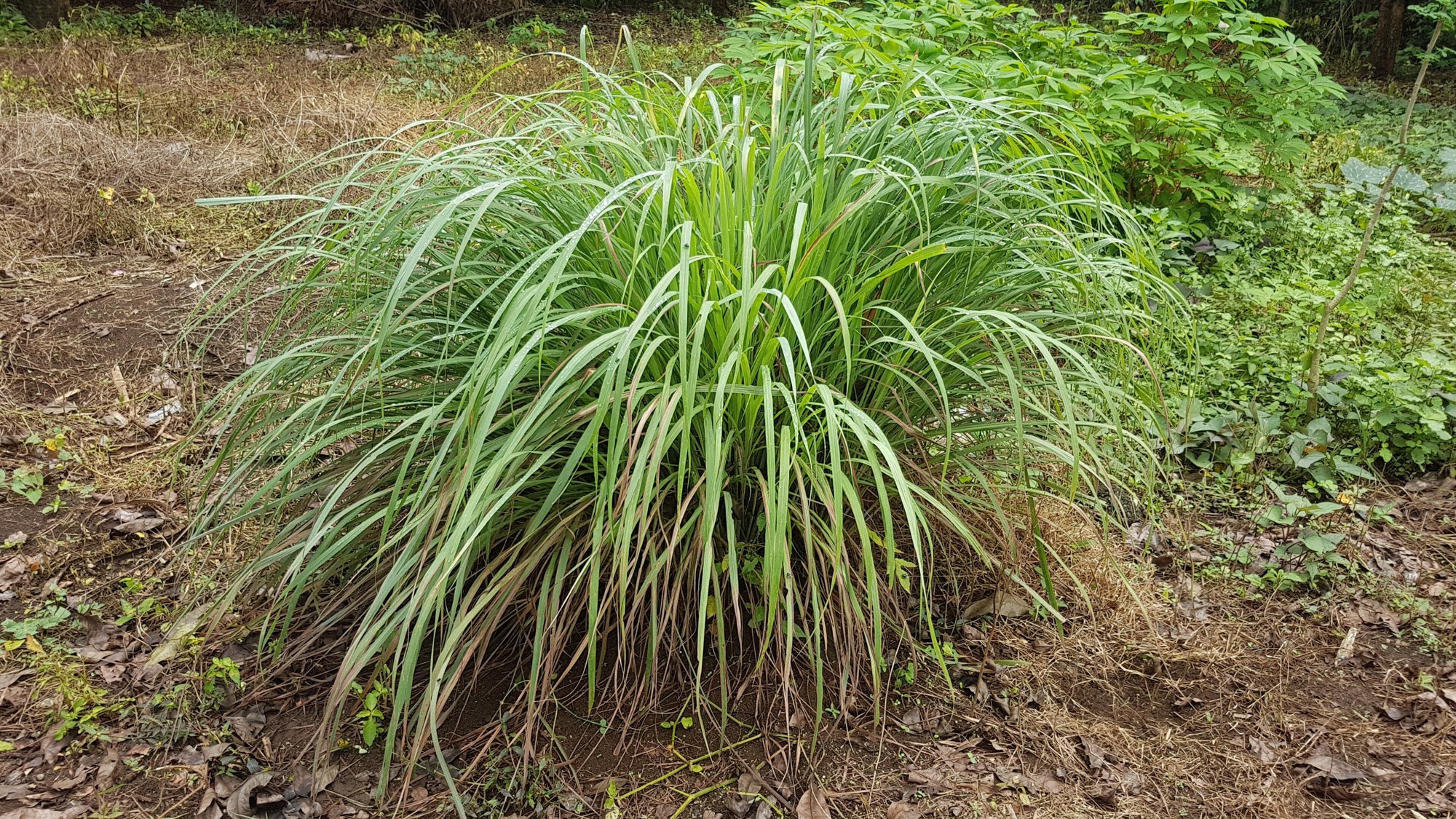 Serai
Cymbopogon citratus
English: Lemongrass
Serai is lemongrass, the citrus-scented grass used in cooking across the region. It came to the Nusantara from southern India and Sri Lanka.
CulinaryScent & Aromatics
-
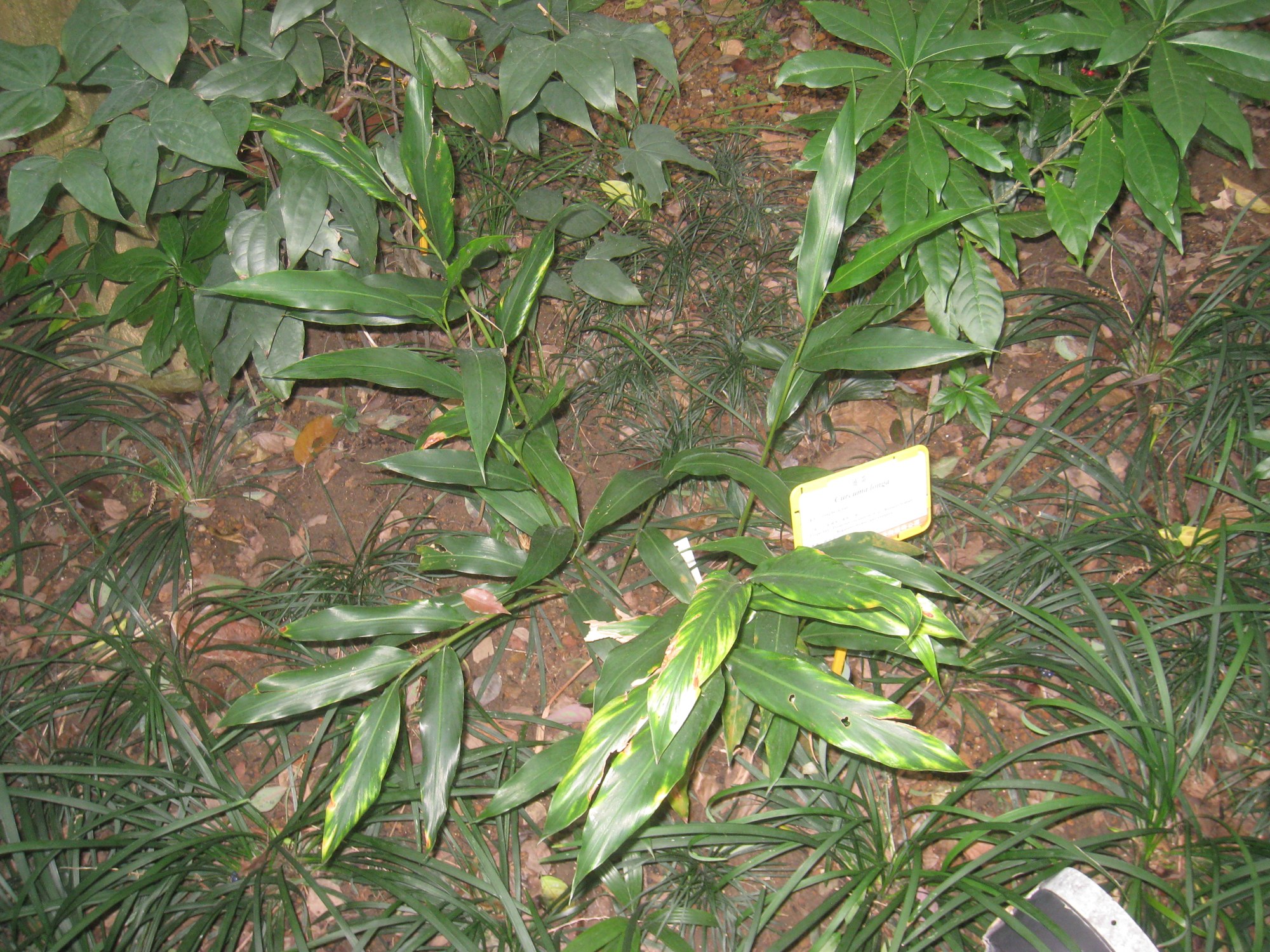 KunyitB
Curcuma longa
English: Turmeric
Oral standardised turmeric extract carries limited clinical evidence in knee osteoarthritis (two randomised trials and a 2016 meta-analysis) [4, 5, 6], but every trial used oral extract at gram doses, not the topical warming pastes of Malay tradition, whose efficacy remains untested.
Health (traditional wellness)CulinaryBeauty & Skin
-
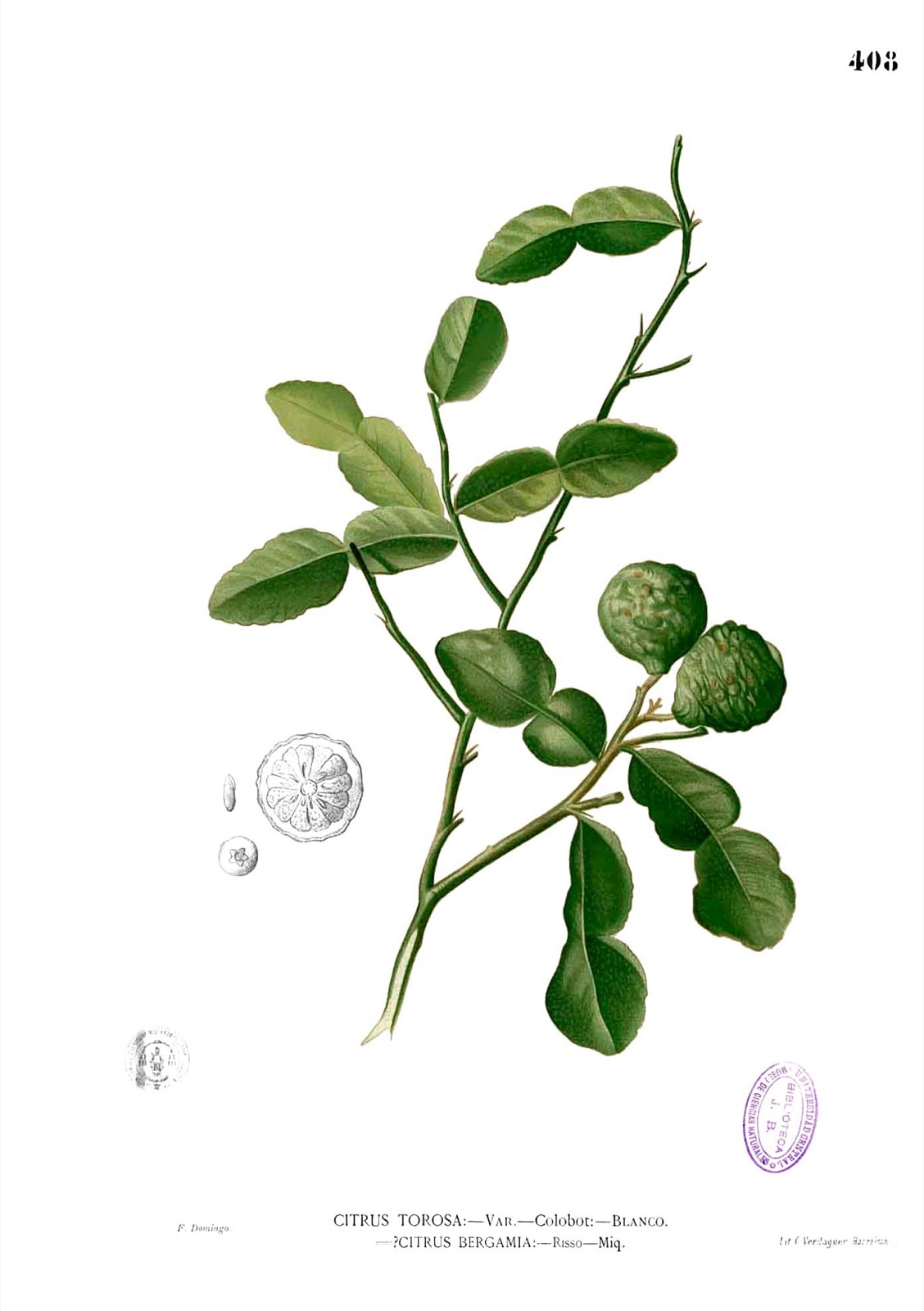 Limau purut
Citrus hystrix
English: Makrut lime, Kaffir lime
Limau purut is the knobbly lime whose leaves and fragrant rind are a defining flavour of Malay and Indonesian cooking. It is native across most of the Malay archipelago.
CulinaryScent & Aromatics
-
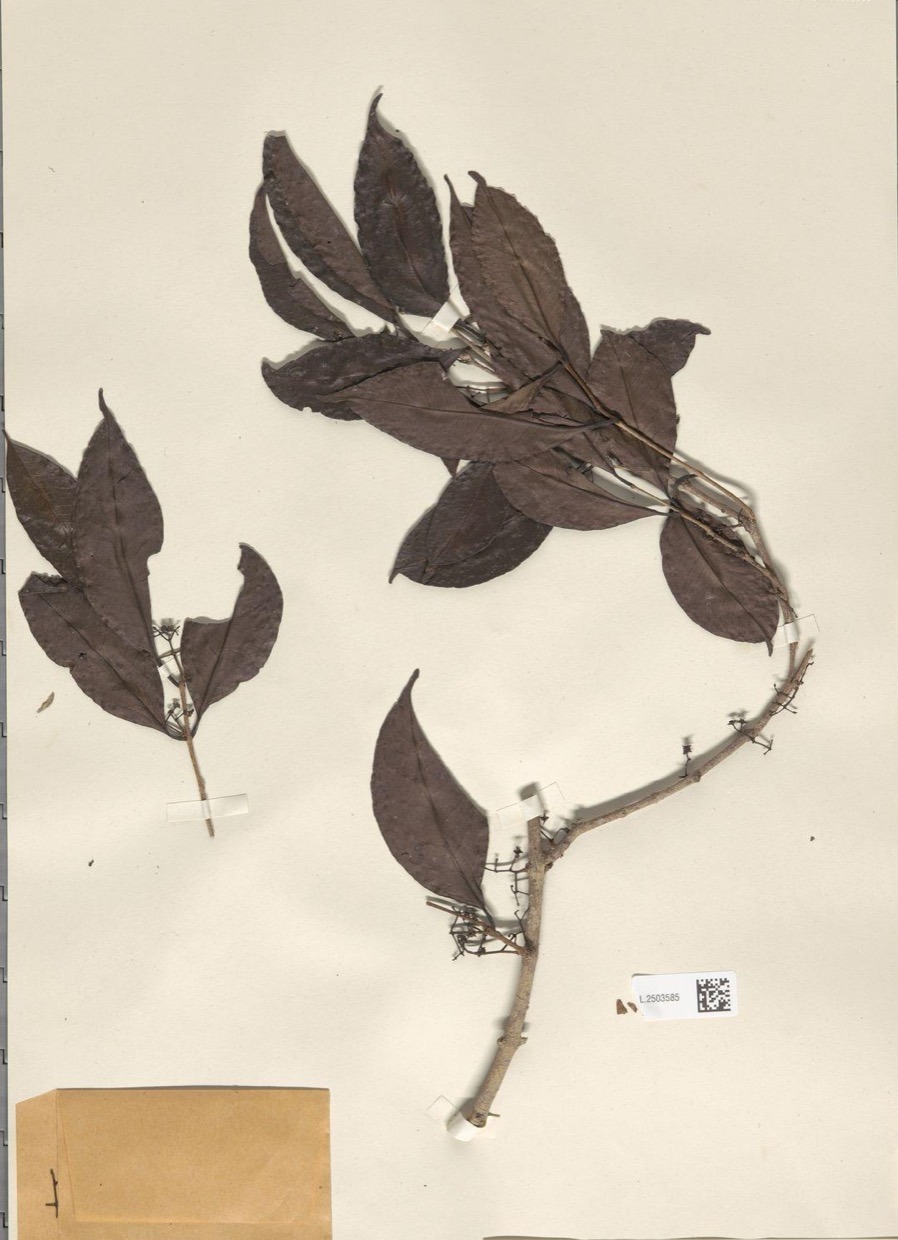 Daun salam
Syzygium polyanthum
English: Indonesian bay leaf, Salam leaf
Daun salam is the aromatic leaf of a native Syzygium tree, widely used in Indonesian and Malaysian cooking. In Malaysia it is also called serai kayu.
Culinary
-
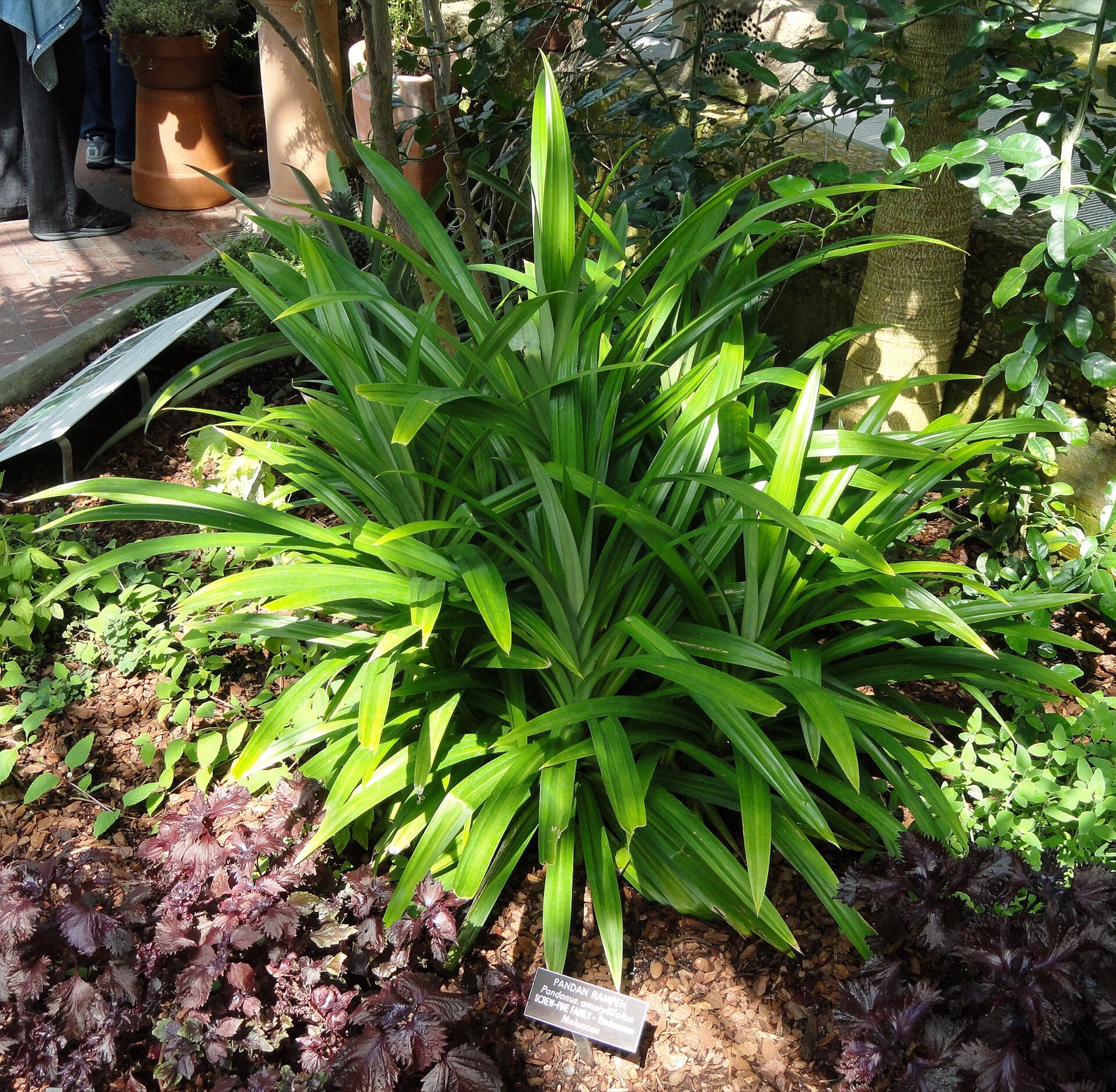 Pandan
us amaryllifolius
English: Pandan, Fragrant screwpine
Pandan is the fragrant screwpine whose long green leaves flavour and colour rice, cakes and drinks across the region. The plant is native to Maluku and spread through cultivation.
CulinaryScent & Aromatics
-
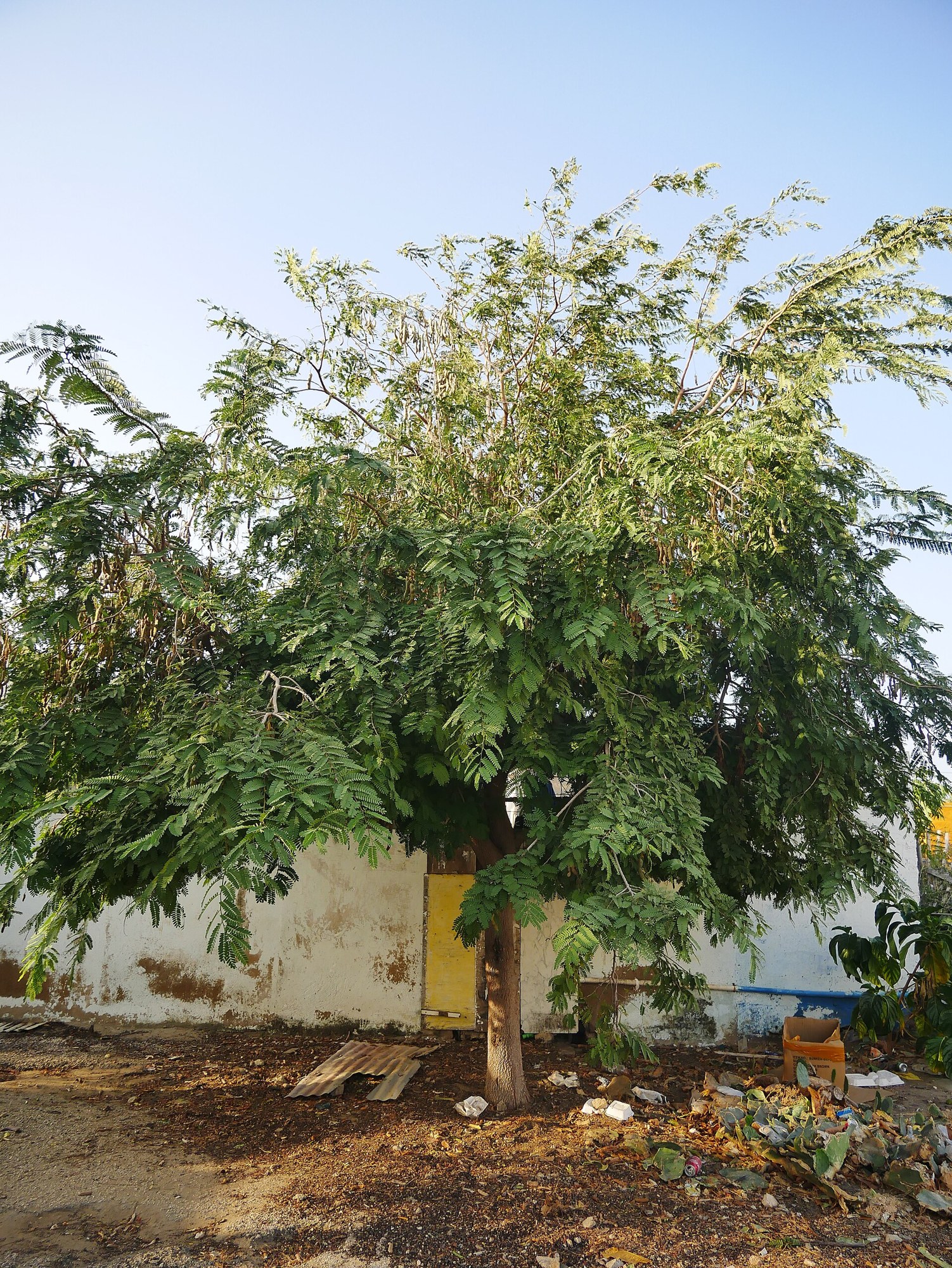 Asam jawa
Tamarindus indica
English: Tamarind
Asam jawa is tamarind, the brown pod whose sour pulp is used across the region. It is not native here; POWO places its origin in Madagascar and the Comoros.
Culinary
-
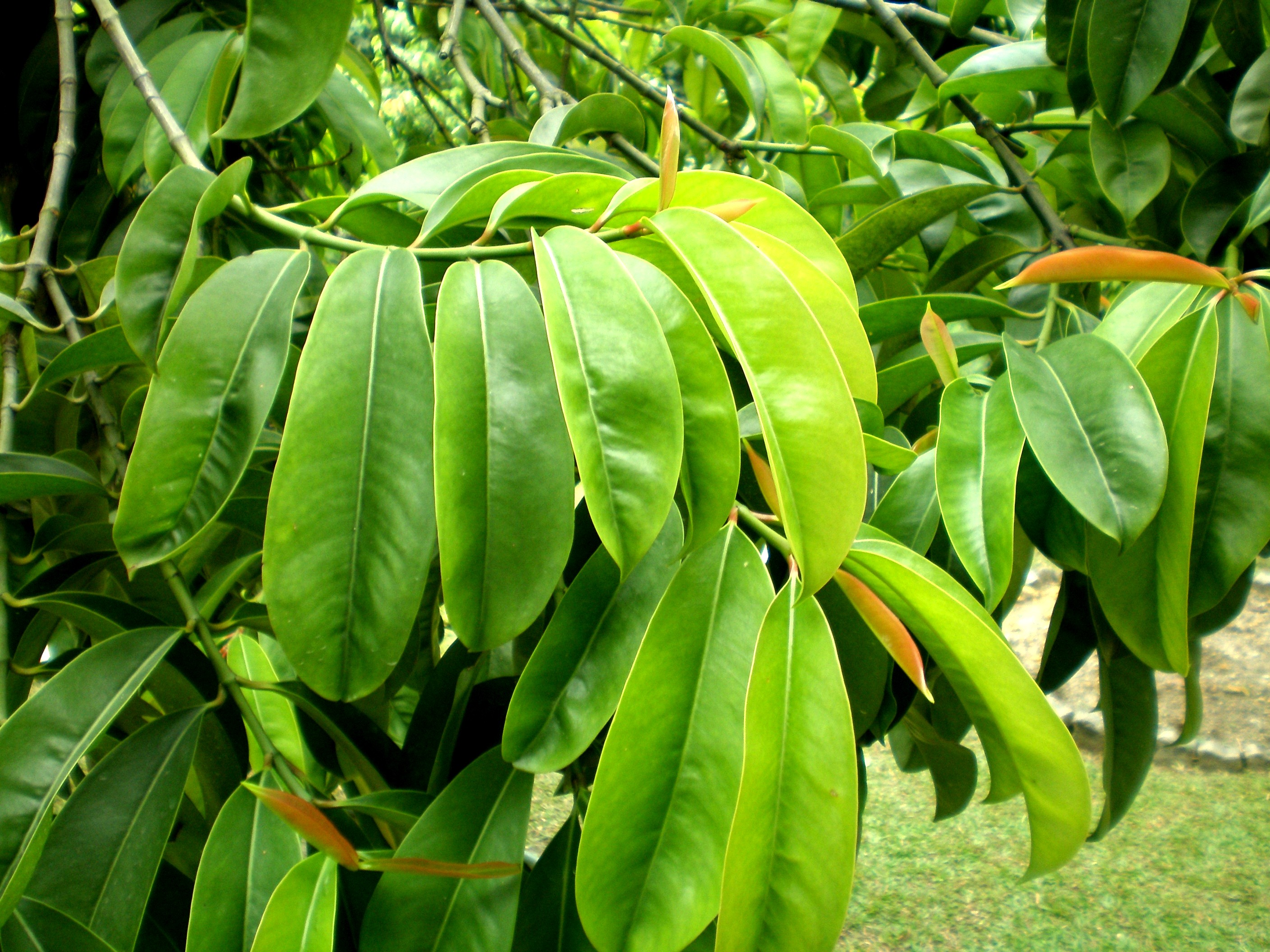 Asam gelugur
Garcinia atroviridis
English: Asam gelugur, Garcinia
Asam gelugur is a native Garcinia whose dried fruit is used to sour dishes. The tree grows in Peninsular Malaysia, Sumatra and Borneo.
Culinary
-
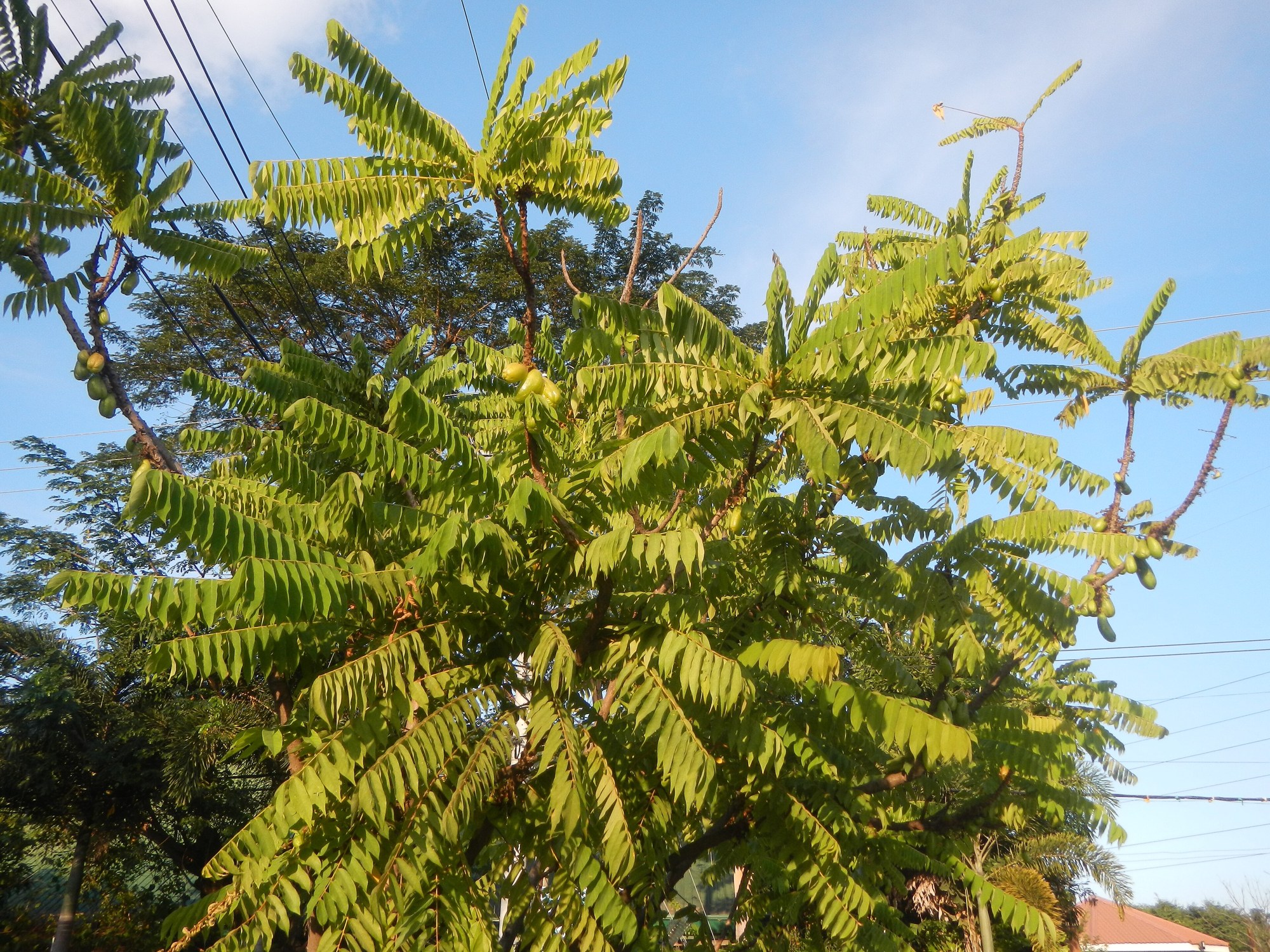 Belimbing buluh
Averrhoa bilimbi
English: Bilimbi, Cucumber tree
Belimbing buluh is the bilimbi, a small tree with very sour green fruits. It is native to Sulawesi and Maluku and grown elsewhere in the region.
Culinary
-
 Kelapa
Cocos nucifera
English: Coconut
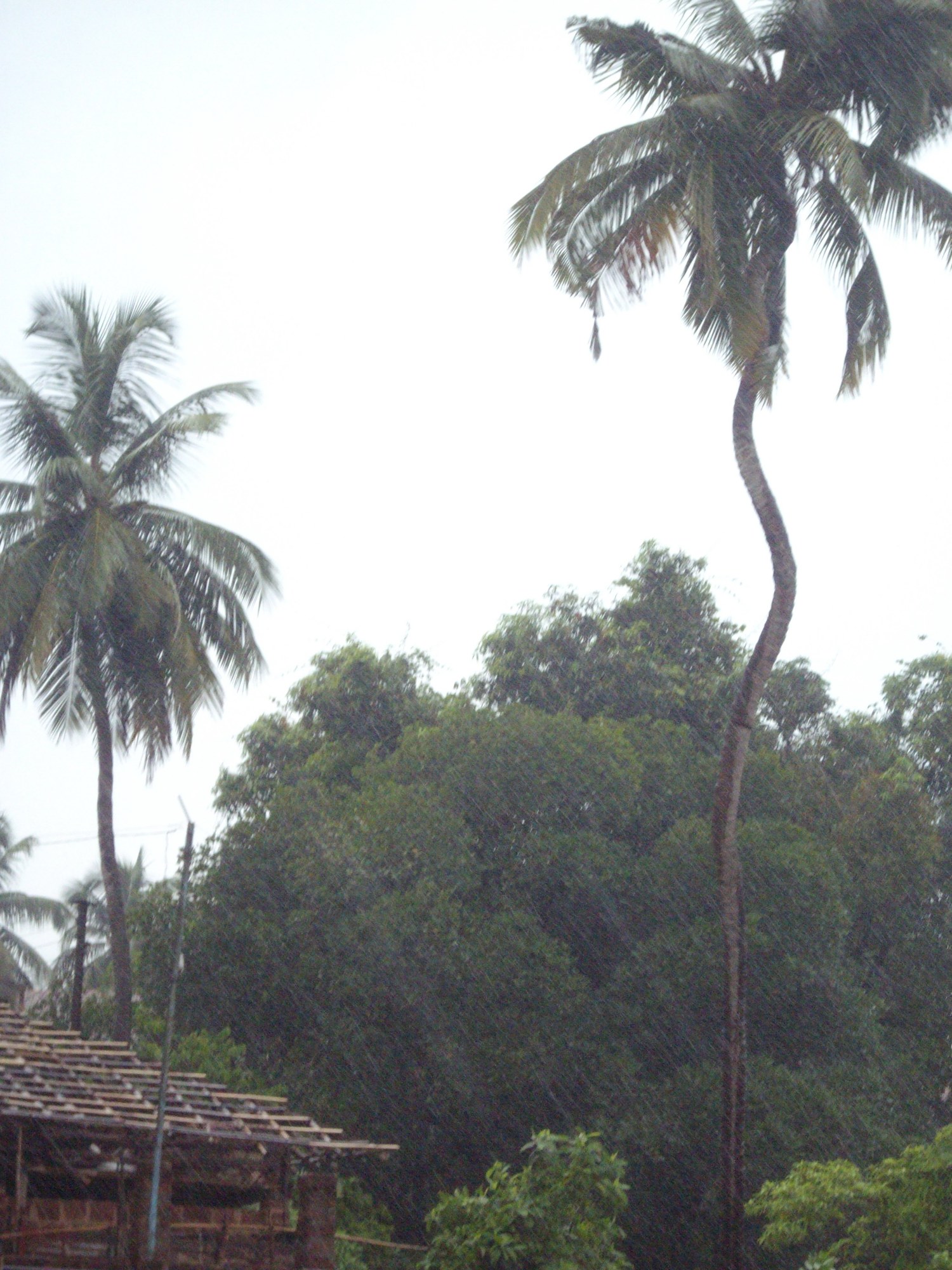
Kelapa, the coconut palm, gives the Nusantara its santan and its cooking oil. POWO gives its native range as central Malesia to the south-west Pacific.
CulinaryBeauty & SkinRituals & Ceremony
-
 Kepayang
Pangium edule
English: Football fruit, Pangi
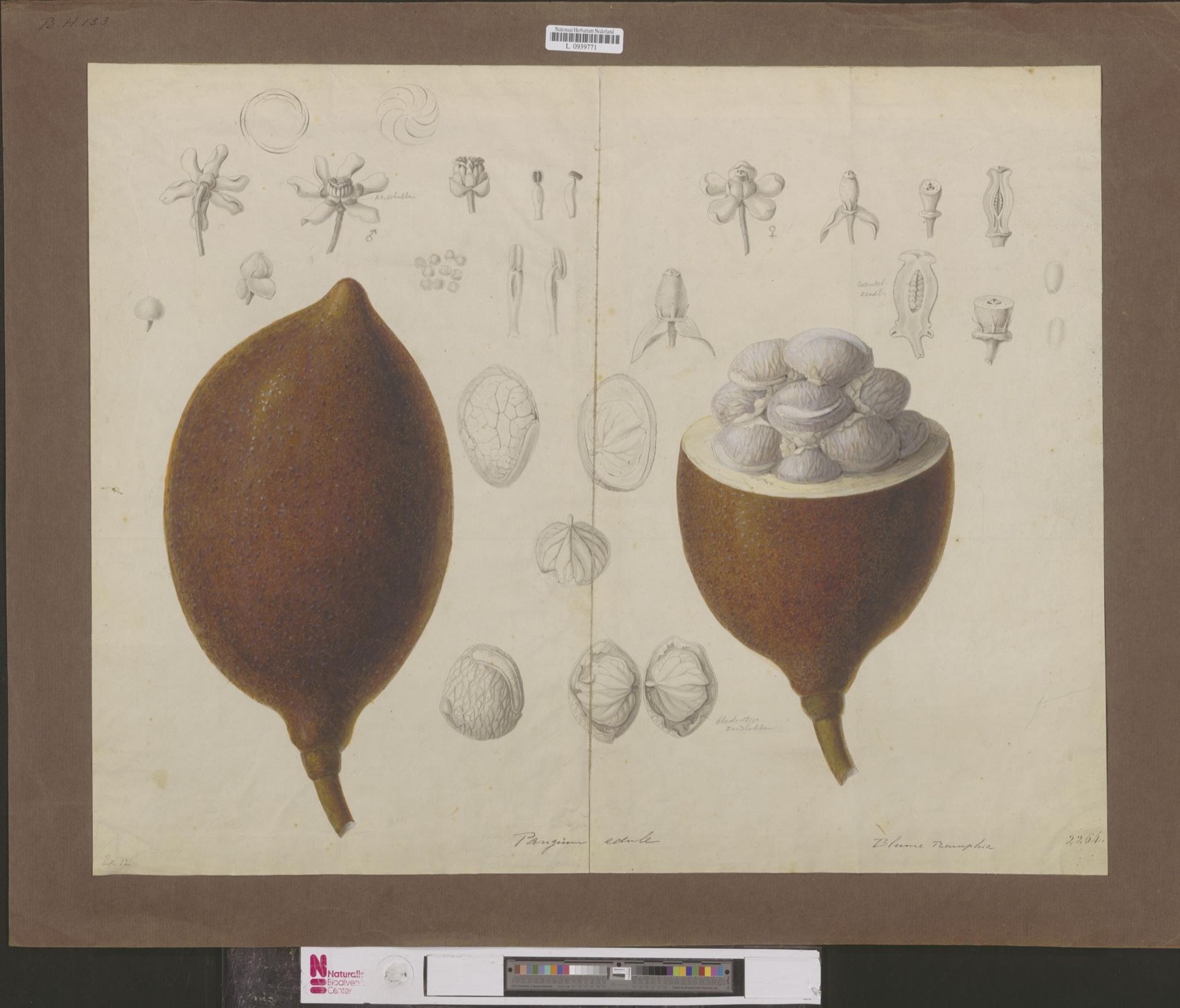
Kepayang is the tree behind buah keluak, the black seed used as a spice in Southeast Asian cooking. The raw seed is poisonous and becomes edible only after processing.
Culinary
-
 Bunga telang
Clitoria ternatea
English: Butterfly pea, Blue pea
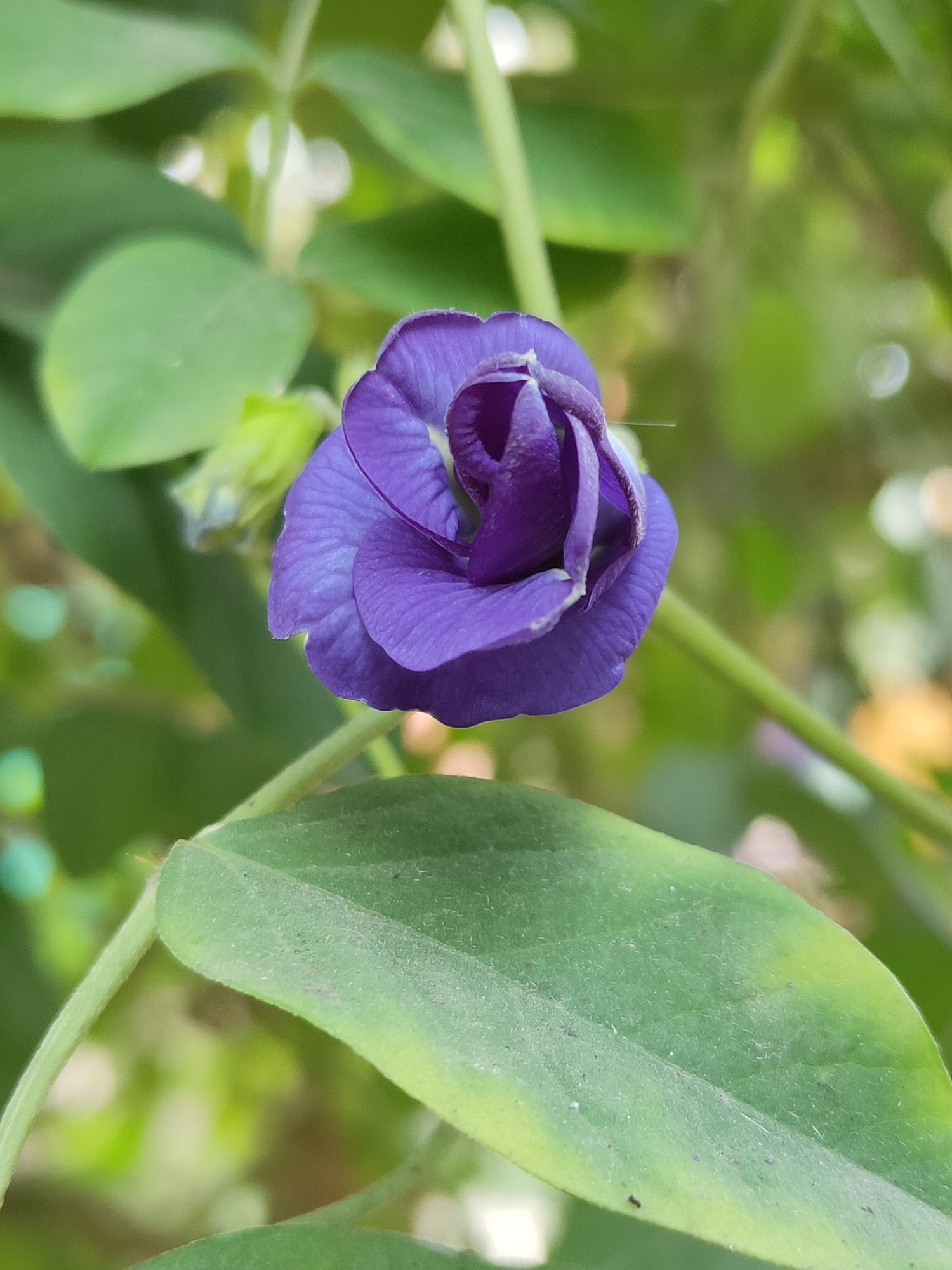
Bunga telang, the butterfly pea, is a climbing legume whose deep blue flowers colour rice and kuih. The colour comes from anthocyanins that turn purple when acid is added.
CulinaryBeauty & Skin