Scent of the Nusantara
Woods, resins, flowers and roots that the region has burned, distilled and worn for centuries, from gaharu and kemenyan to kenanga and melur.
-
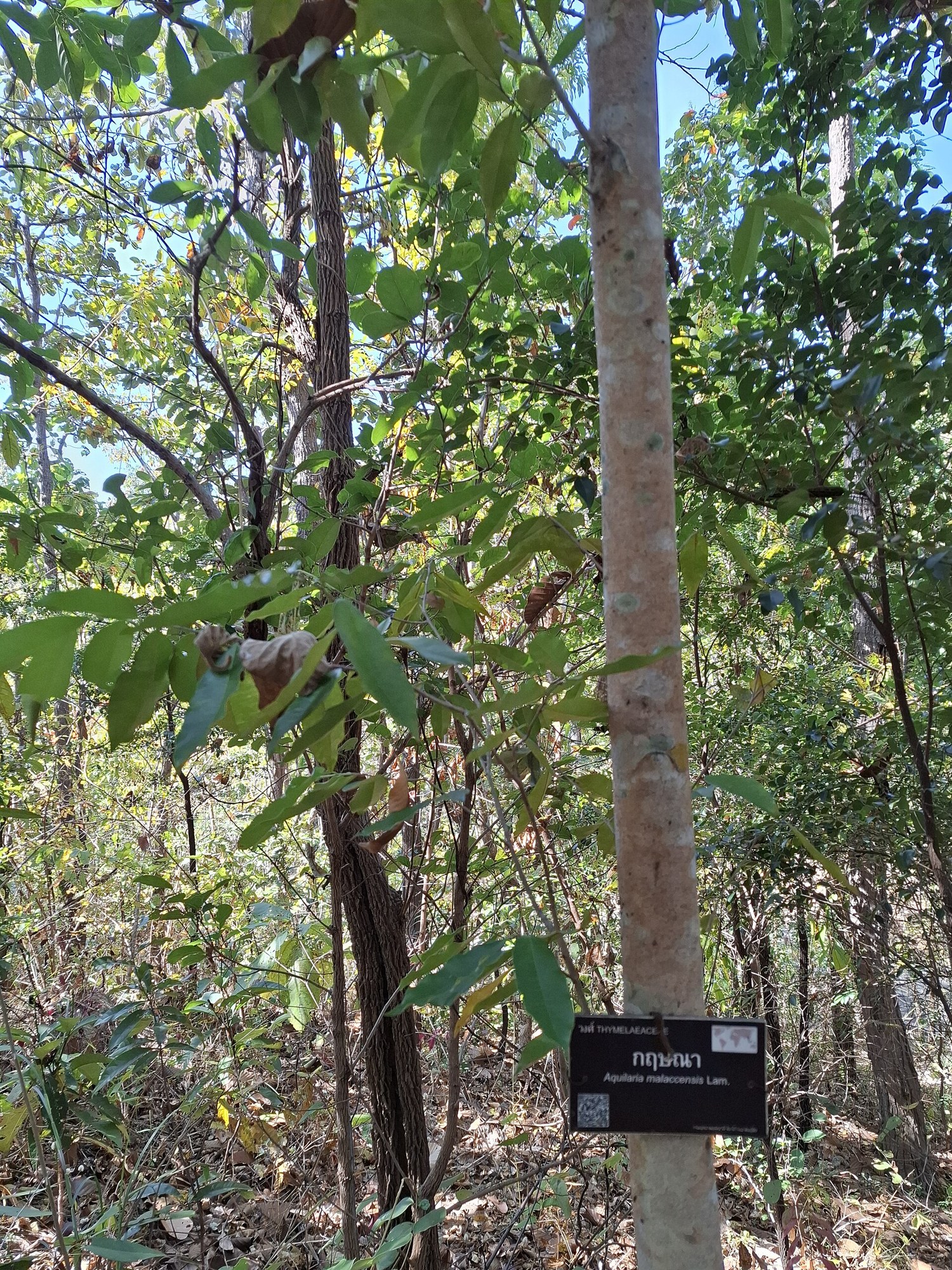 Gaharu
Aquilaria malaccensis
English: Agarwood, Eaglewood, Aloeswood
Gaharu is the dark, fragrant resin that forms in the wood of Aquilaria trees after injury and fungal infection. Traded for centuries as incense and perfume material, it comes from a tree now assessed as Critically Endangered in the wild and listed on CITES Appendix II.
Scent & AromaticsSpices & TradeRituals & CeremonyConservation
-
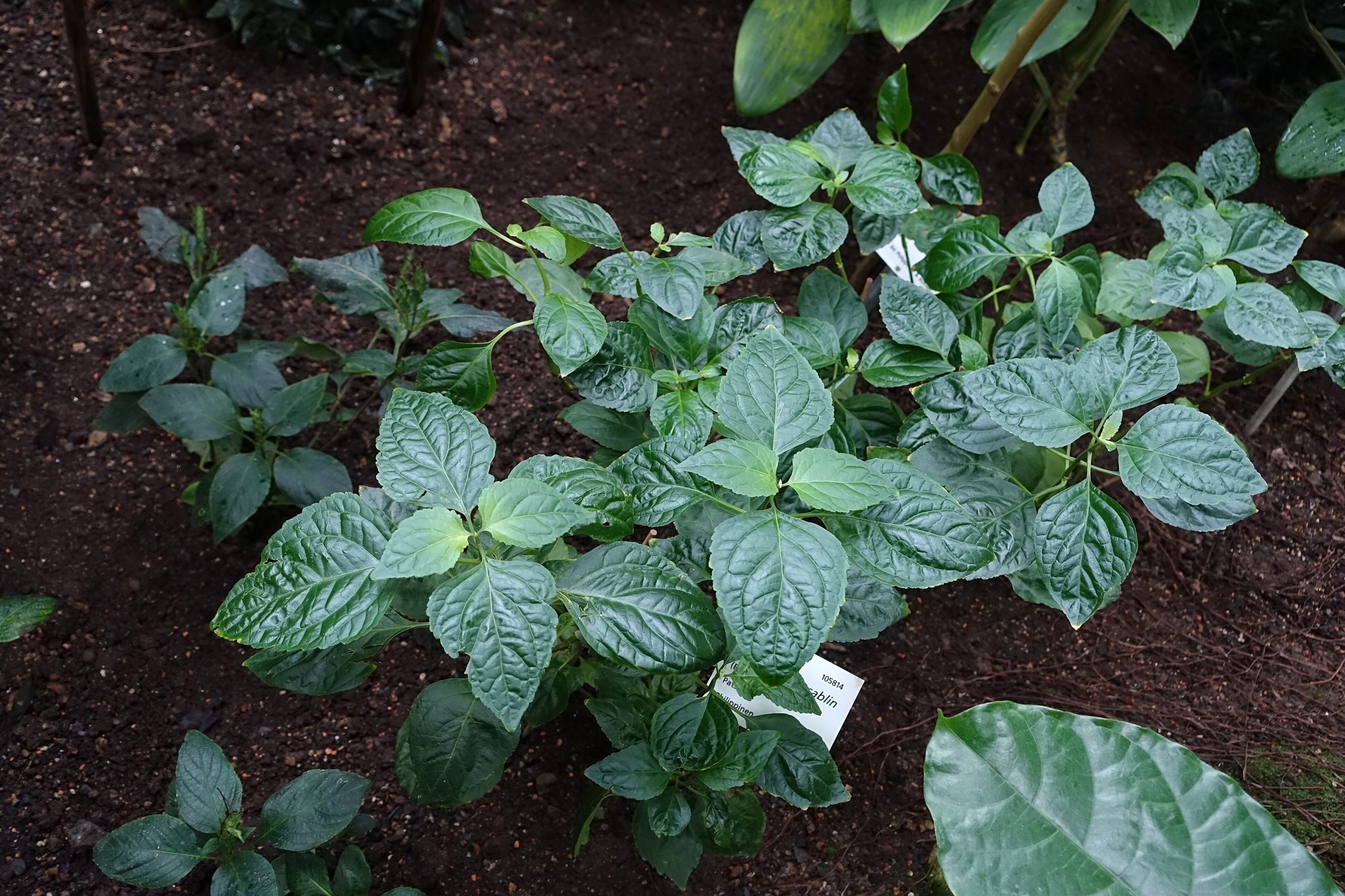 Nilam
Pogostemon cablin
English: Patchouli
Nilam, patchouli, is a low aromatic herb of the mint family whose dried leaves are distilled into one of perfumery's deepest base notes. It is native from Sri Lanka through western and central Malesia to Papua New Guinea.
Scent & AromaticsSpices & Trade
-
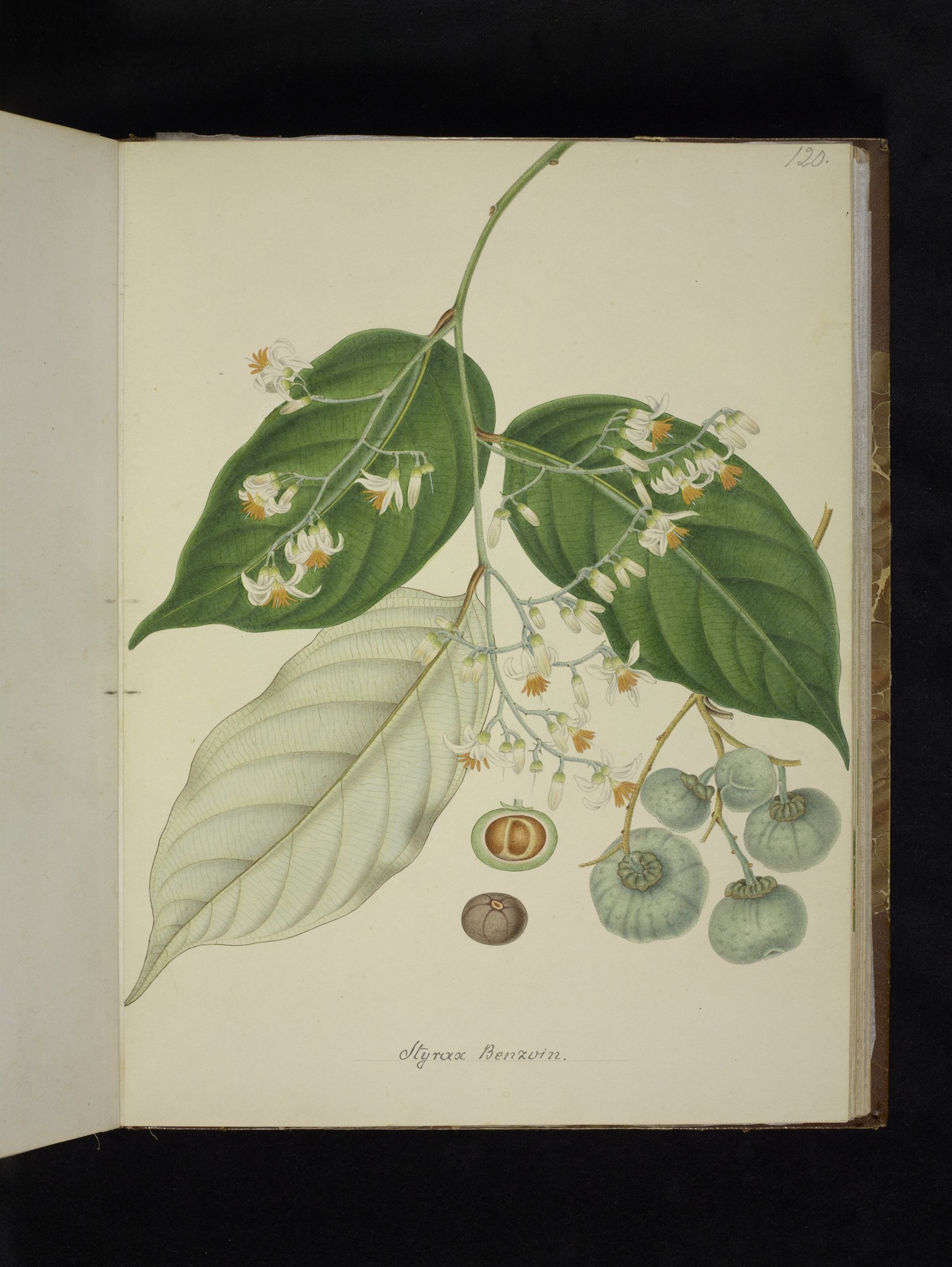 Kemenyan
Styrax benzoin
English: Benzoin, Sumatra benzoin, Gum benjamin
Kemenyan is benzoin, the fragrant resin tapped from Styrax trees. It is burned as incense in ritual and ceremony and valued as a fragrance and flavour material, and the tree is native to Sumatra, Java and Peninsular Malaysia.
Scent & AromaticsRituals & CeremonySpices & Trade
-
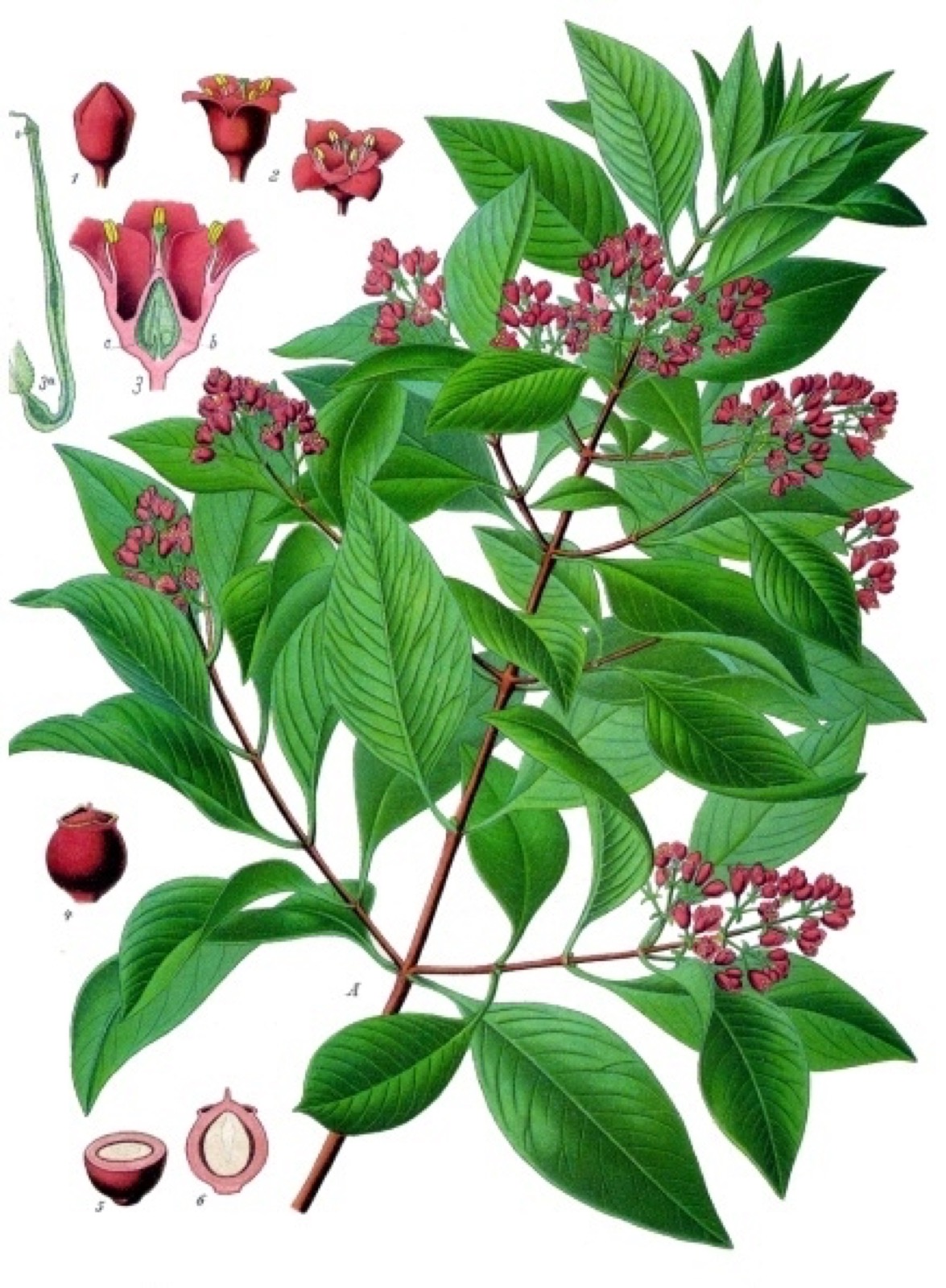 Cendana
Santalum album
English: Sandalwood, East Indian sandalwood
Cendana is sandalwood, the fragrant heartwood of Santalum album, a tree native from Java and the Lesser Sunda Islands to northern Australia. The wood and its oil are used in perfume, incense and cosmetics, and sandalwood oil is also an approved flavour ingredient.
Scent & AromaticsRituals & CeremonySpices & TradeBeauty & Skin
-
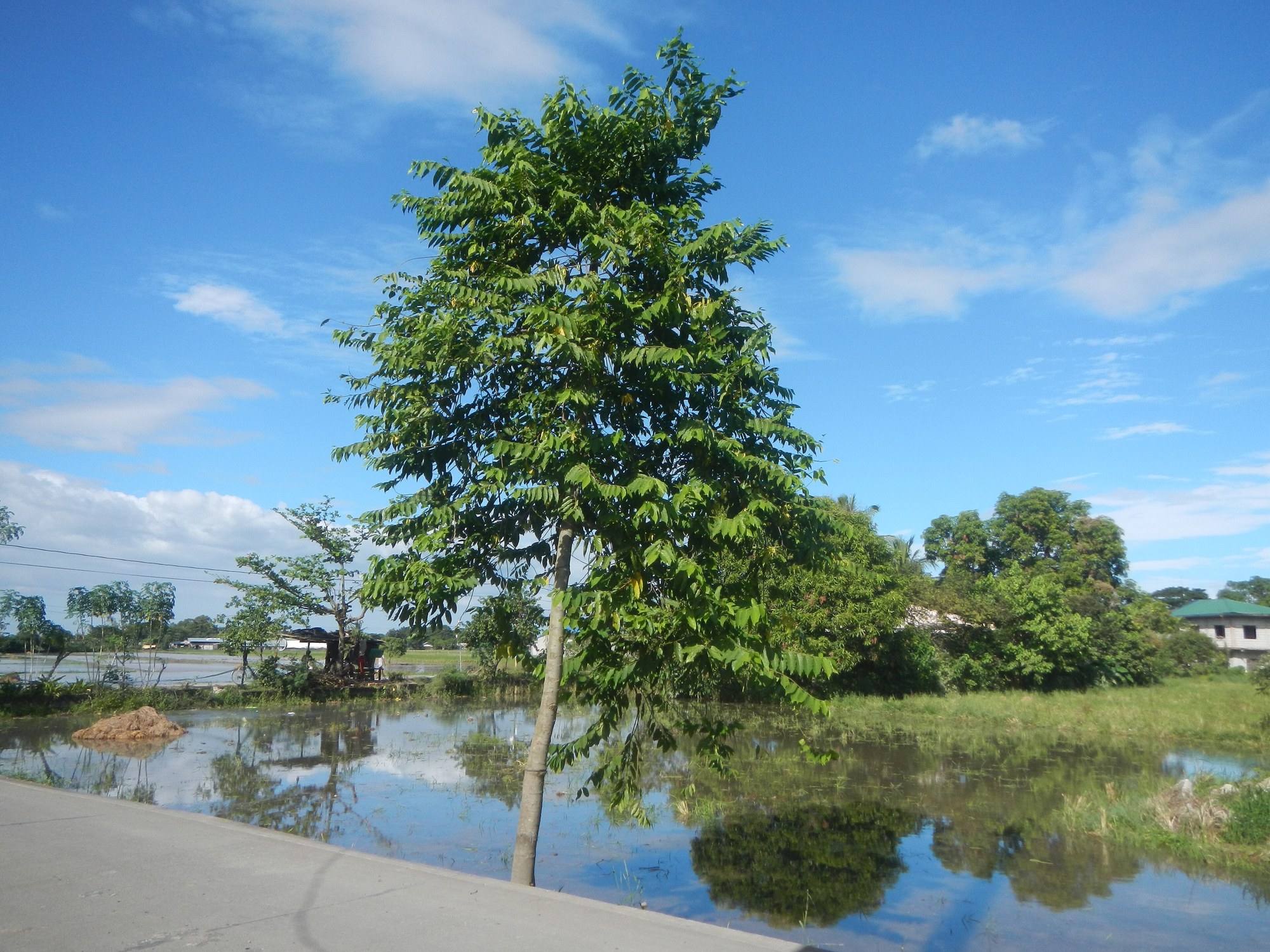 Kenanga
Cananga odorata
English: Ylang-ylang, Cananga
Kenanga is the ylang-ylang tree, native across the whole Nusantara. Its drooping yellow-green flowers are distilled into one of the most important floral oils in perfumery.
Scent & AromaticsBeauty & SkinRituals & Ceremony
-
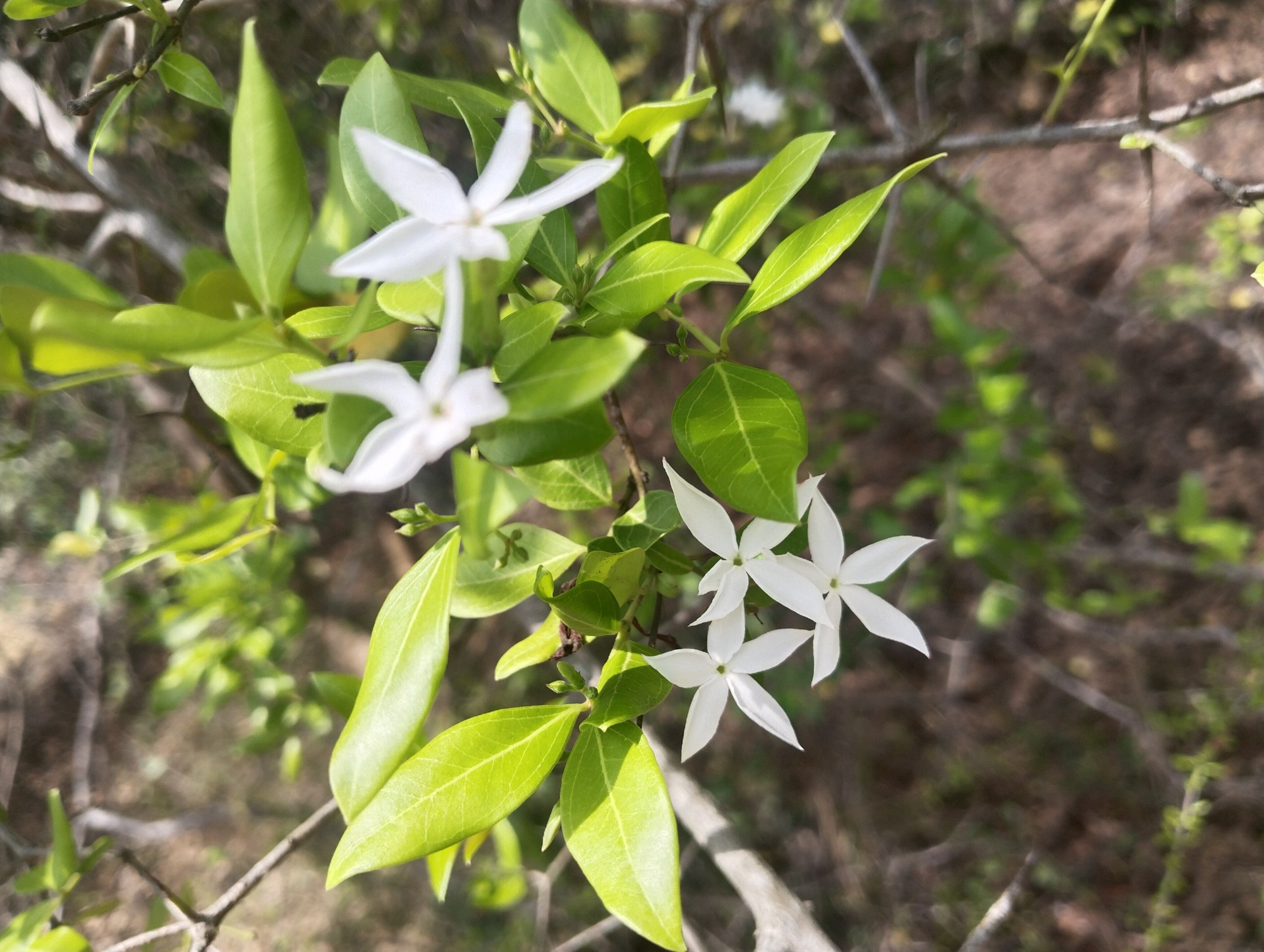 Melur
Jasminum sambac
English: Arabian jasmine, Sambac jasmine
Melur, called melati in Indonesia, is the small, intensely scented white jasmine of Nusantara gardens. Introduced long ago from South Asia, it is used to scent tea and garlands, and its floral notes are well studied.
Scent & AromaticsRituals & CeremonyBeauty & Skin
-
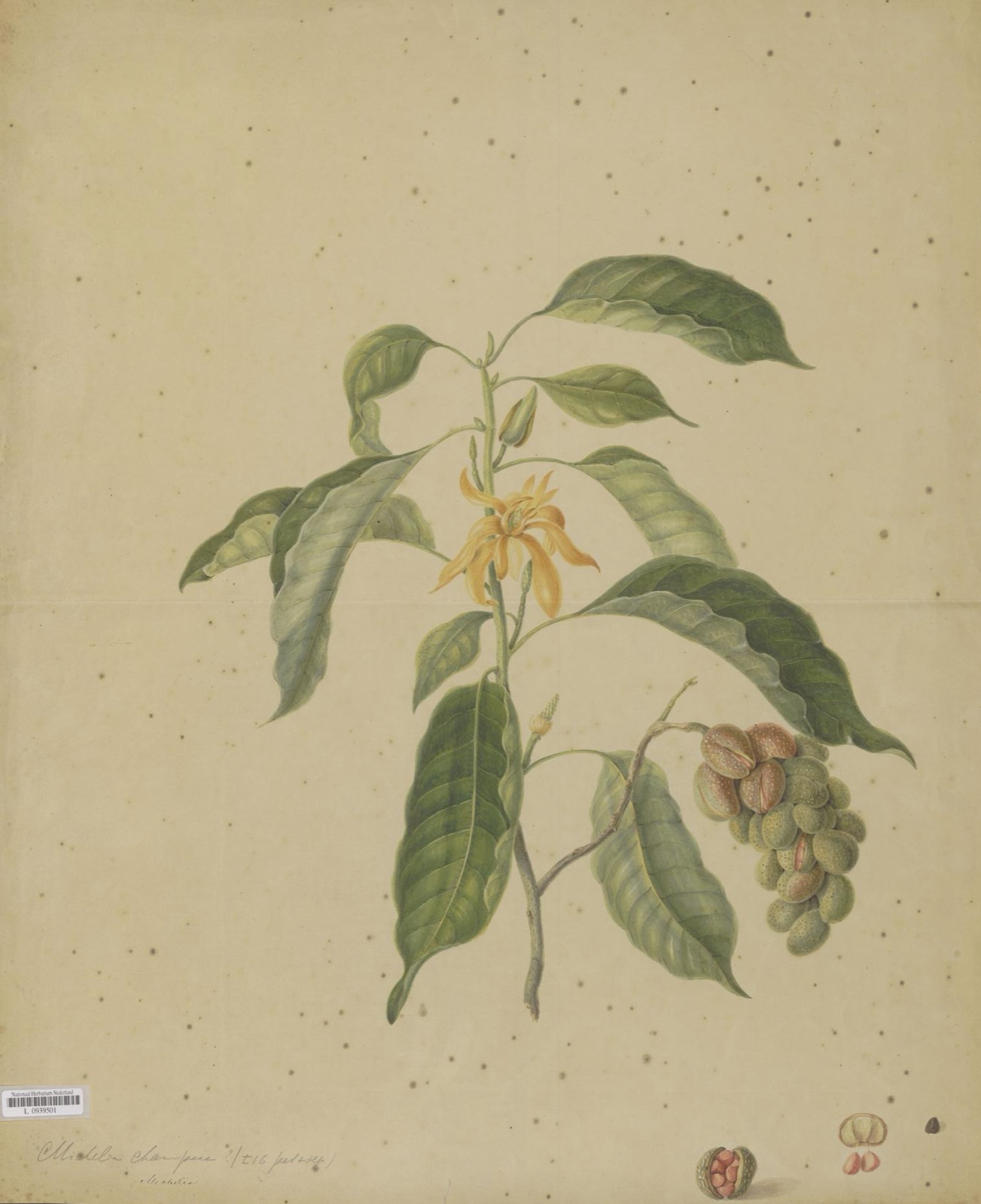 Cempaka
Magnolia champaca
English: Champak, Golden champa
Cempaka is the champak tree, whose orange-yellow flowers carry one of the richest floral scents of the region. Long known as Michelia champaca, it is now placed in Magnolia, and its flowers are grown for the fragrance trade.
Scent & AromaticsRituals & CeremonyBeauty & Skin
-
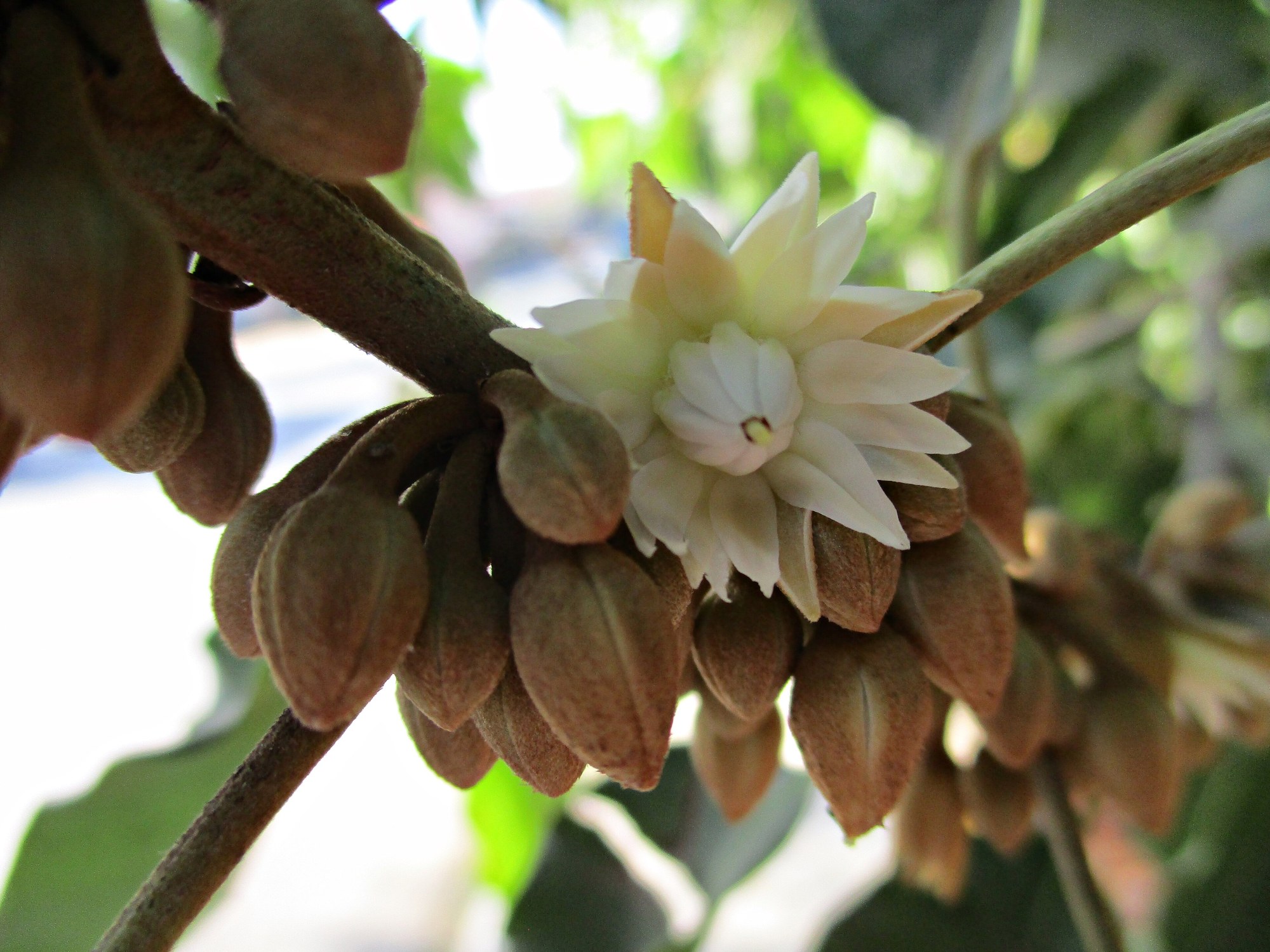 Tanjung
Mimusops elengi
English: Spanish cherry, Bullet wood
Tanjung is a shady native tree with small, star-shaped cream flowers that keep their sweet scent long after they fall. It grows from southern India across the whole Malay archipelago.
Scent & AromaticsRituals & Ceremony
-
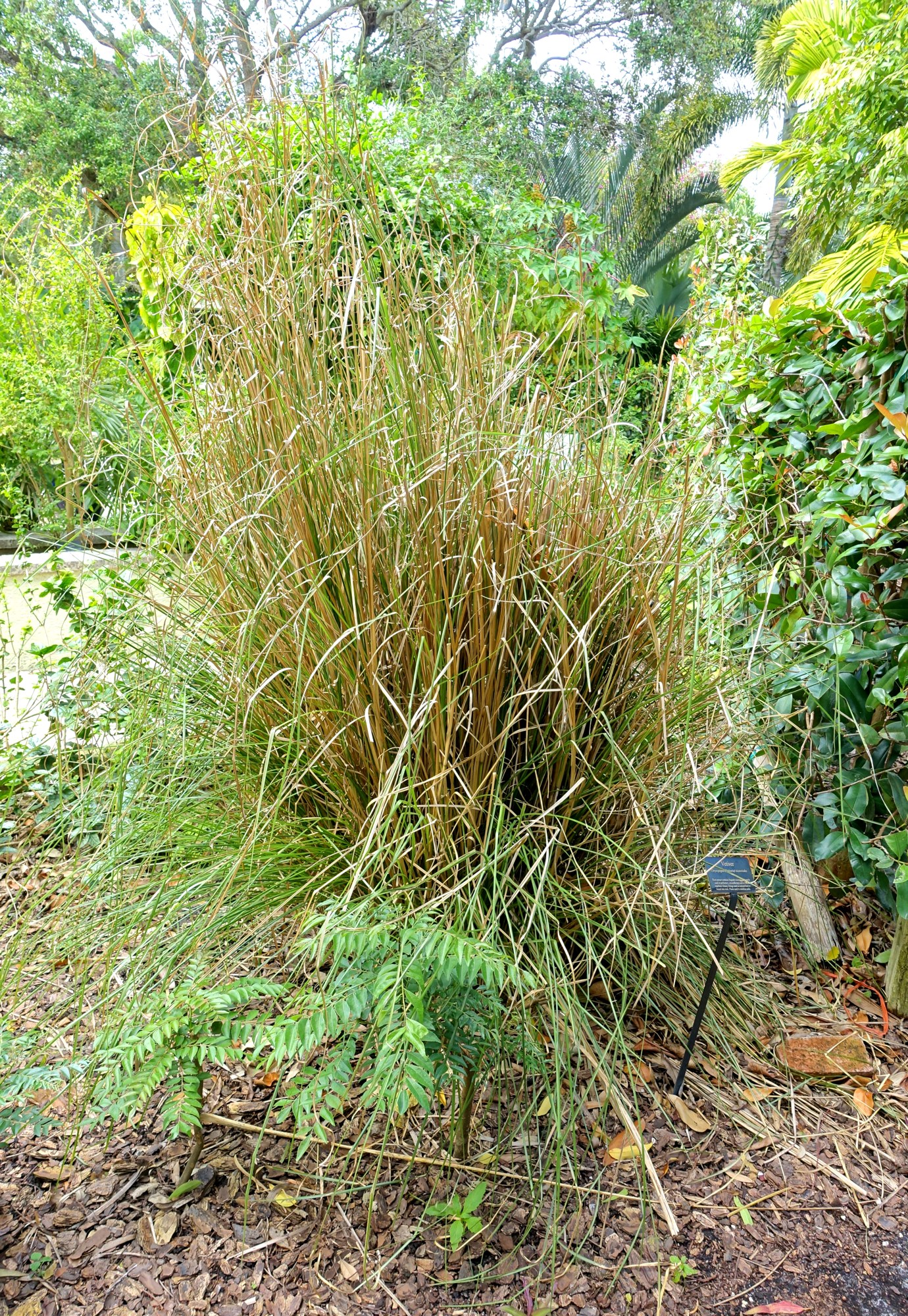 Akar wangi
Chrysopogon zizanioides
English: Vetiver
Akar wangi, the fragrant root, is vetiver, a clumping grass whose dense roots are distilled into a smoky, earthy perfume oil. It is recorded as introduced across the Malay archipelago.
Scent & AromaticsBeauty & Skin
-
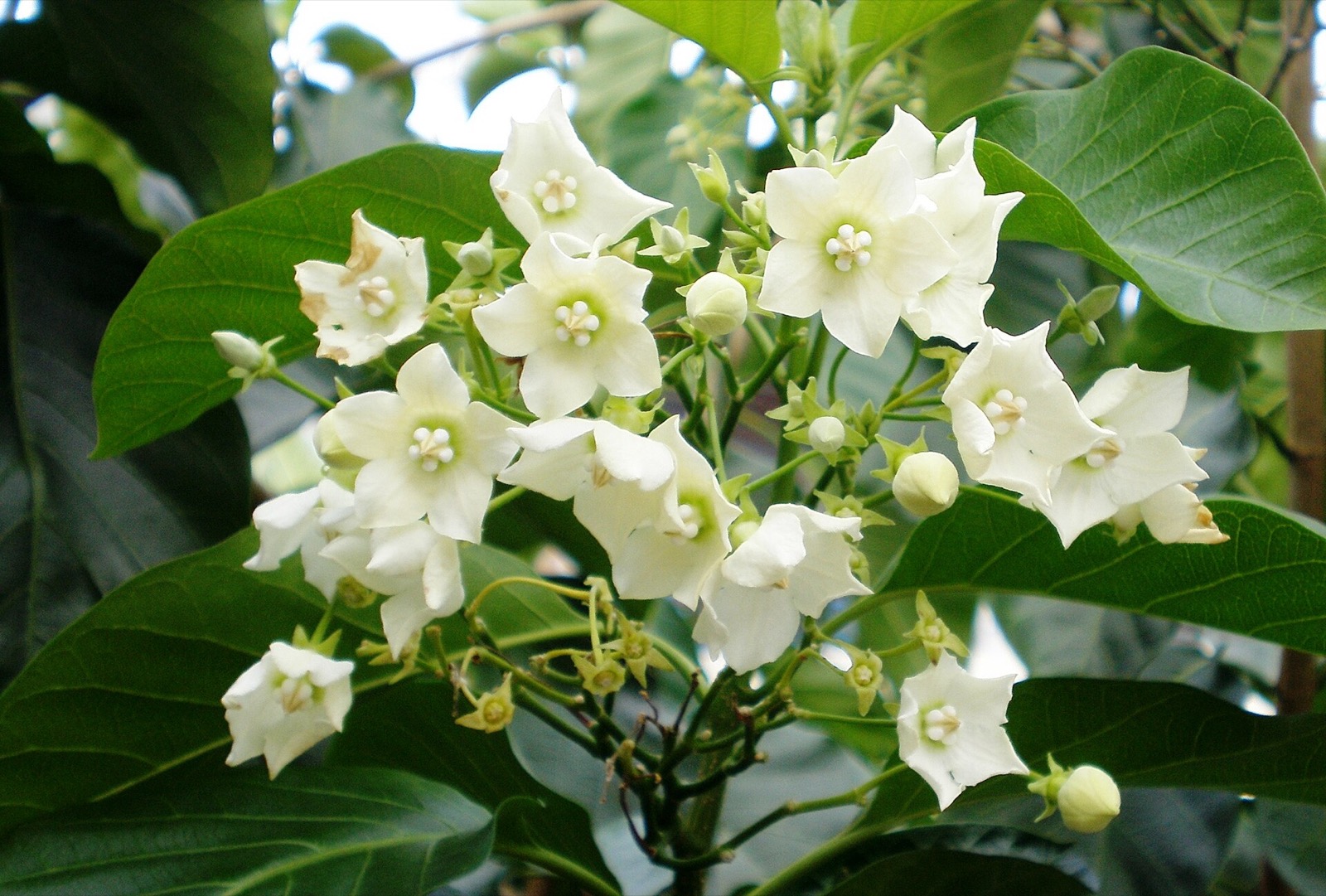 Kesidang
Vallaris glabra
English: Bread flower
Kesidang is a climbing vine with clusters of small white flowers whose scent recalls pandan and fresh bread. It is native to Sumatra, Java and the Lesser Sunda Islands and introduced in Malaya. All parts are poisonous.
Scent & Aromatics
-
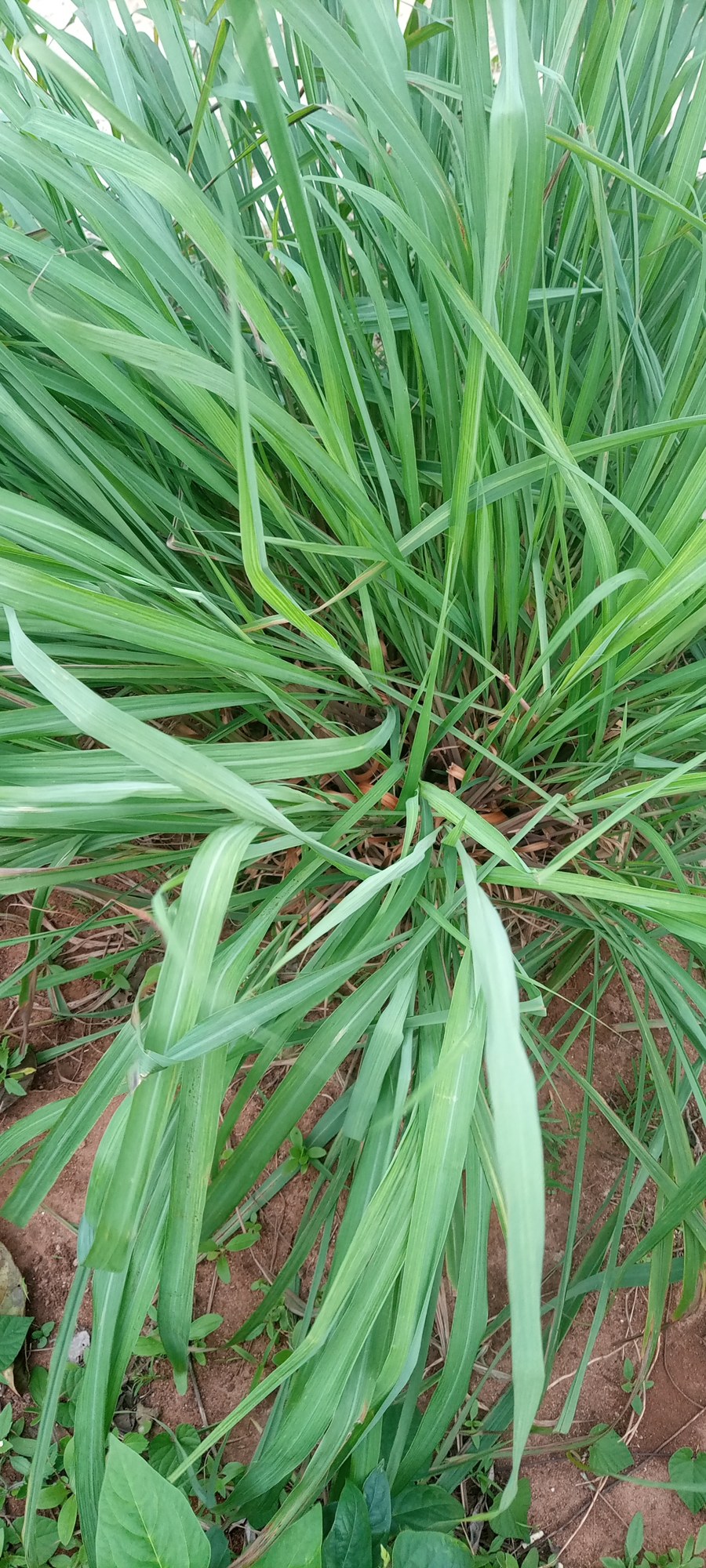 Serai wangi
Cymbopogon nardus
English: Citronella grass
Serai wangi is citronella grass, distilled for an oil with a sharp, lemony scent that is widely used in insect-repellent products. It is a scent grass, not the lemongrass of the kitchen.
Scent & Aromatics